Colored concrete
Gray, dull, massive. Those are the first associations that come to mind when we hear the word concrete. But adding pigment to the traditional mix of cement, sand, gravel, and water lets you color concrete all the way through. And that lets you highlight a building's volumes, fit it into the surrounding context, and pull off bold ideas — with a more durable, reliable result than paint.
For yellow and red, iron oxide is added to the concrete; cobalt oxide gives blue, and chromium oxide gives green. A deep black is achieved using black iron oxide, carbon, and pozzolanic cement.
Here are a few projects that use colored concrete.
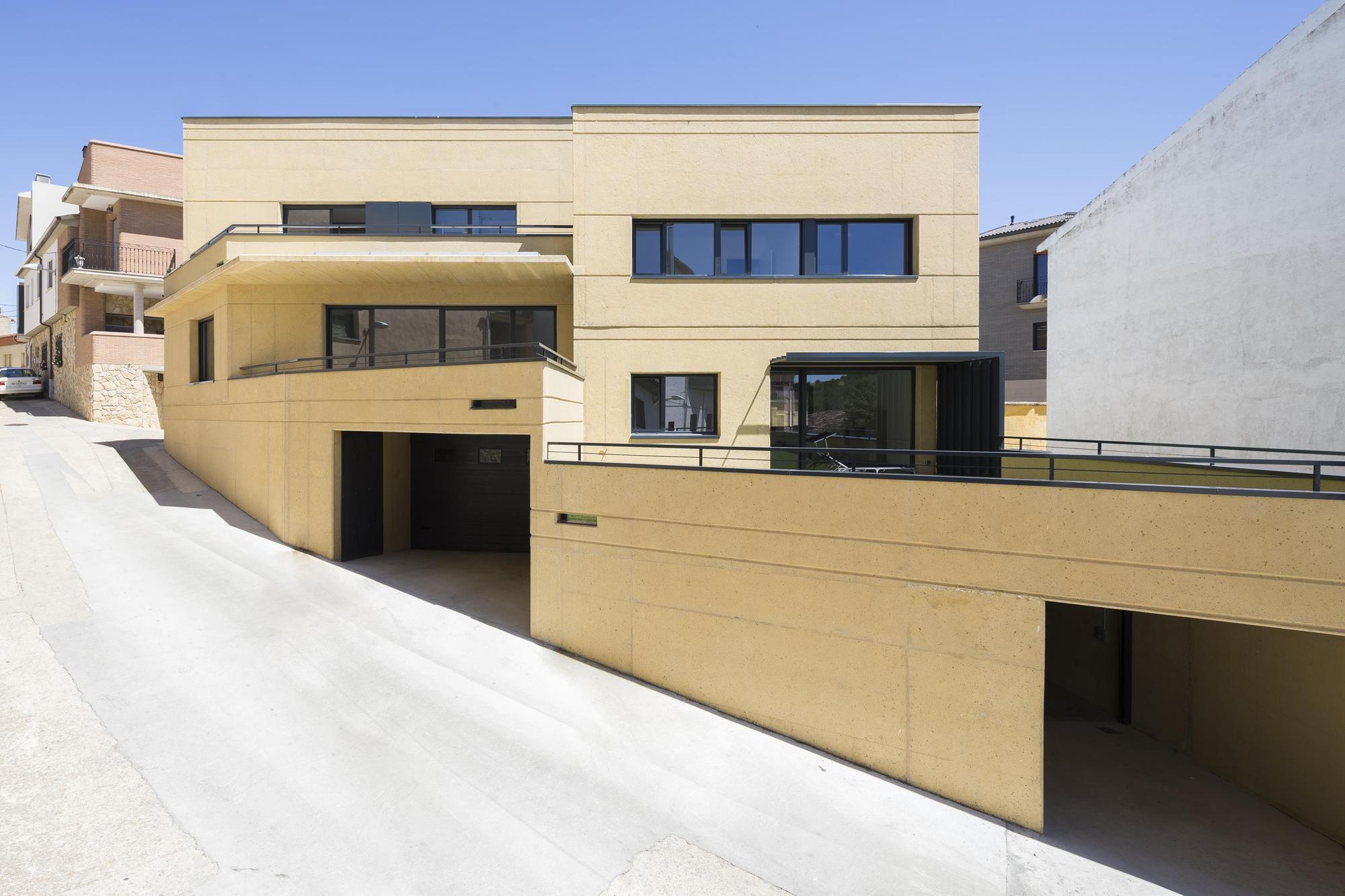
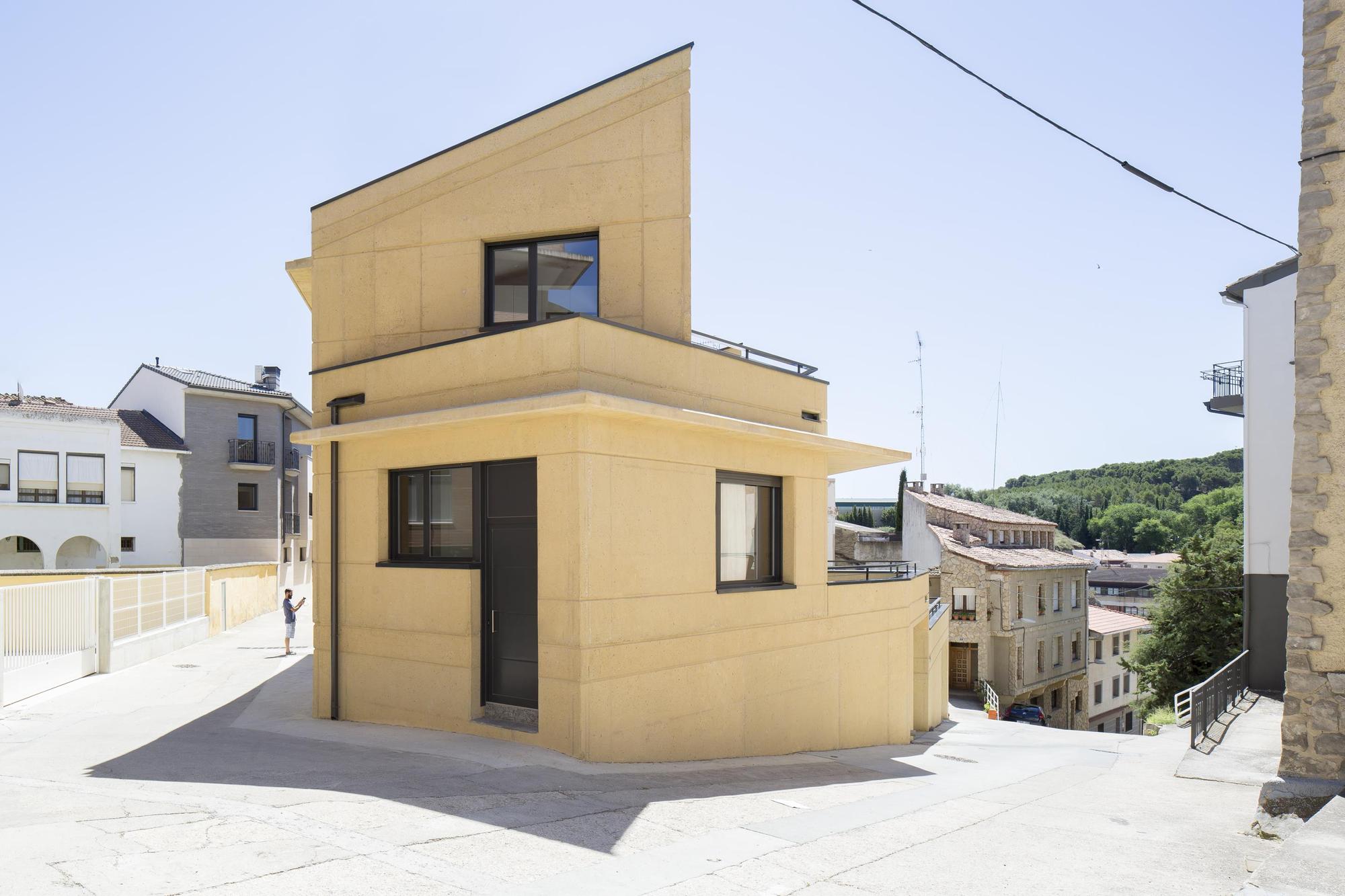
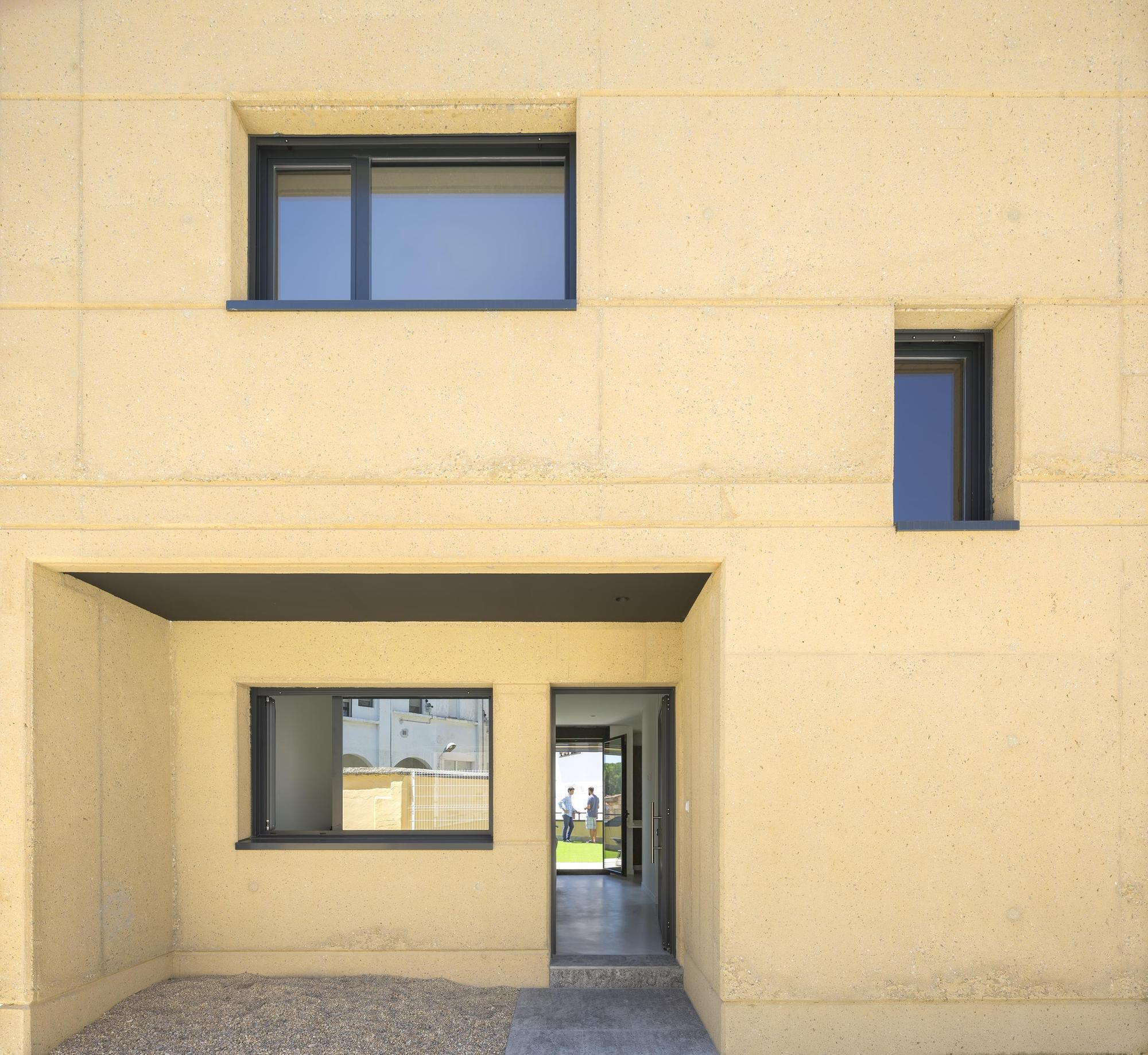
1. A house in Lerina, Spain. Architects azpilicueta arquitectura y paisaje.
The yellow of the concrete references the traditional adobe wall, while the material itself is durable and easy to produce and maintain.
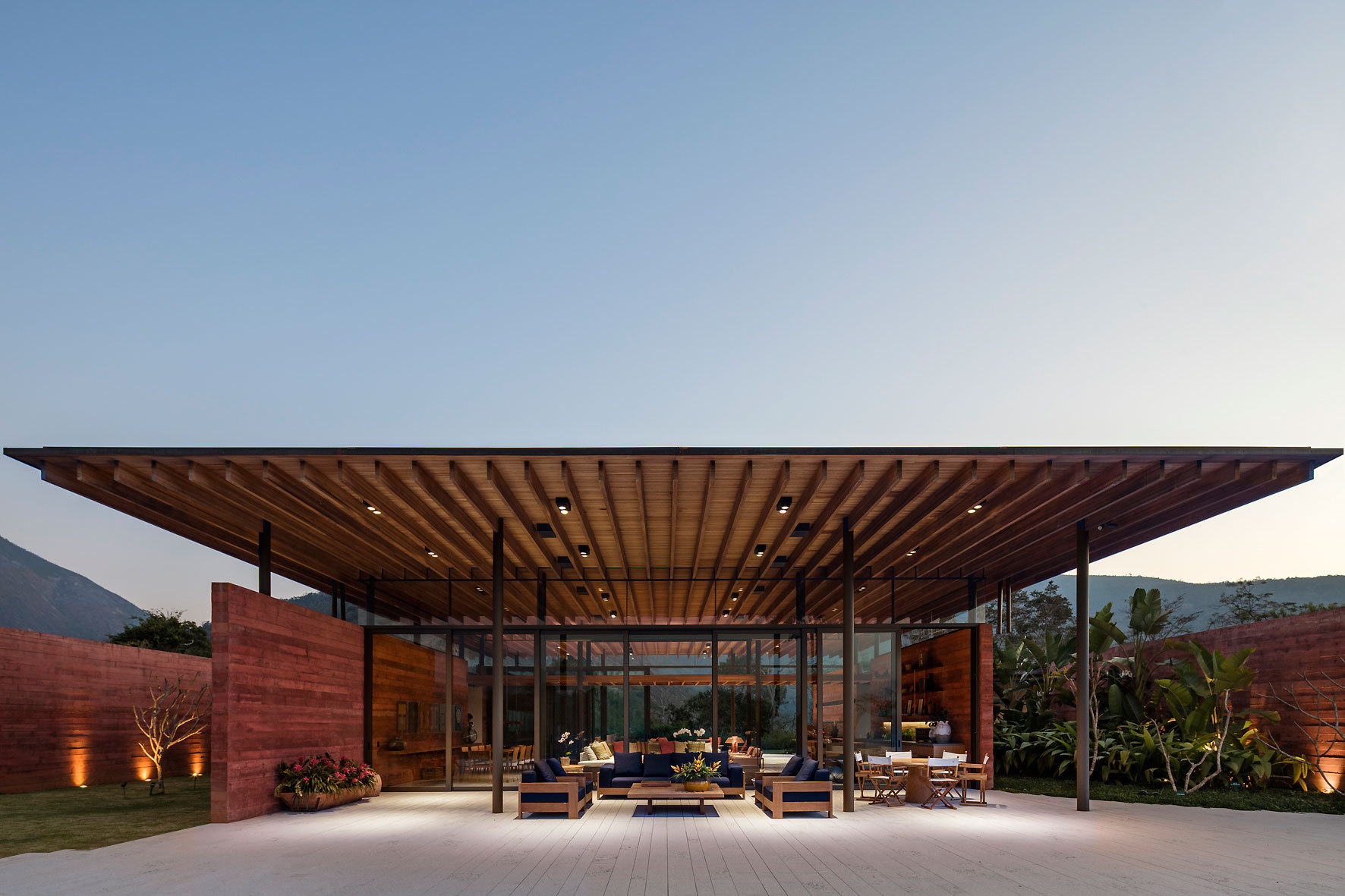
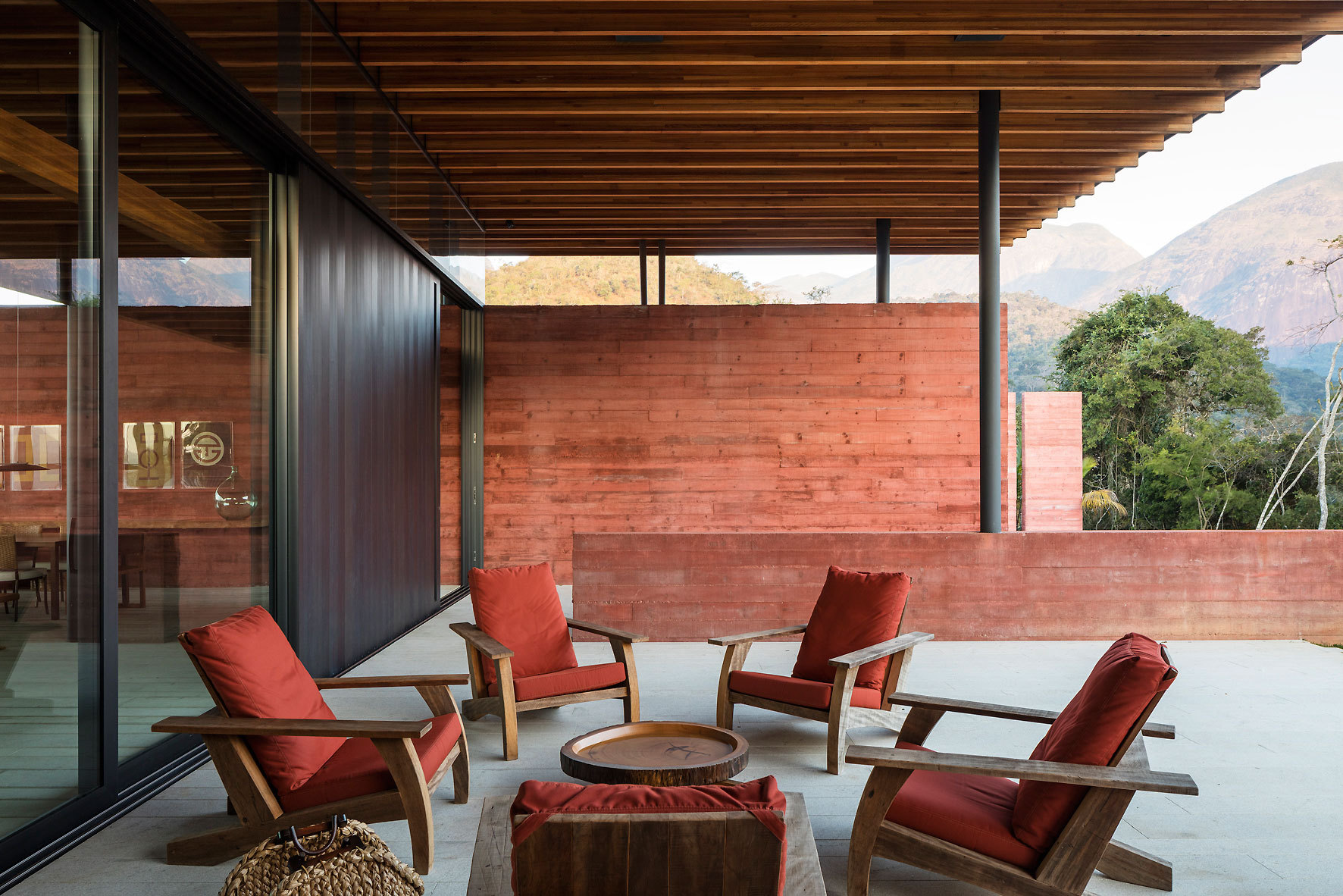
2. Casa Terra, Brazil. Architects Bernardes Arquitetura.
The walls of pigmented concrete run perpendicular to the main axis of the house, slicing the space into courtyards. The red tint is uneven, which enlivens the interior.
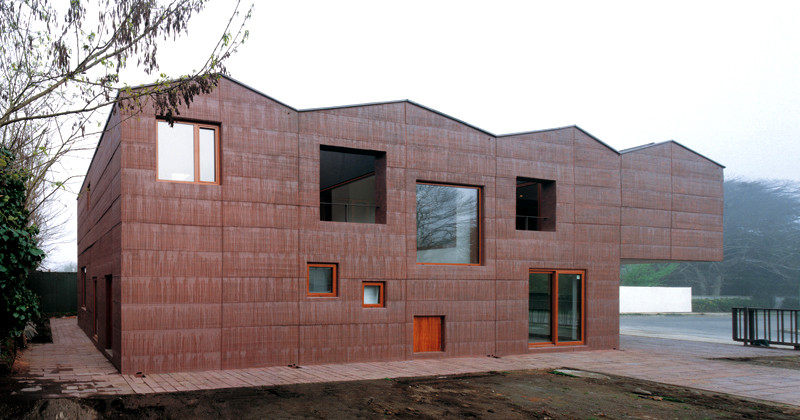
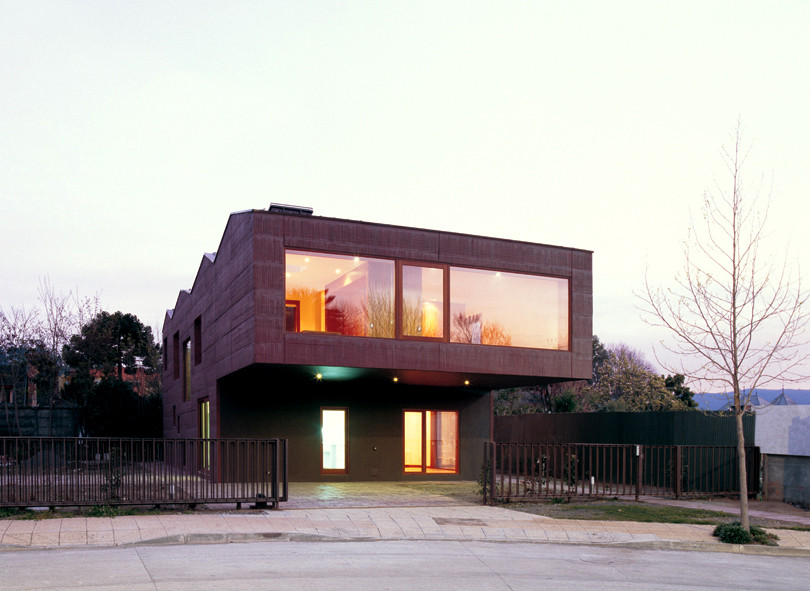
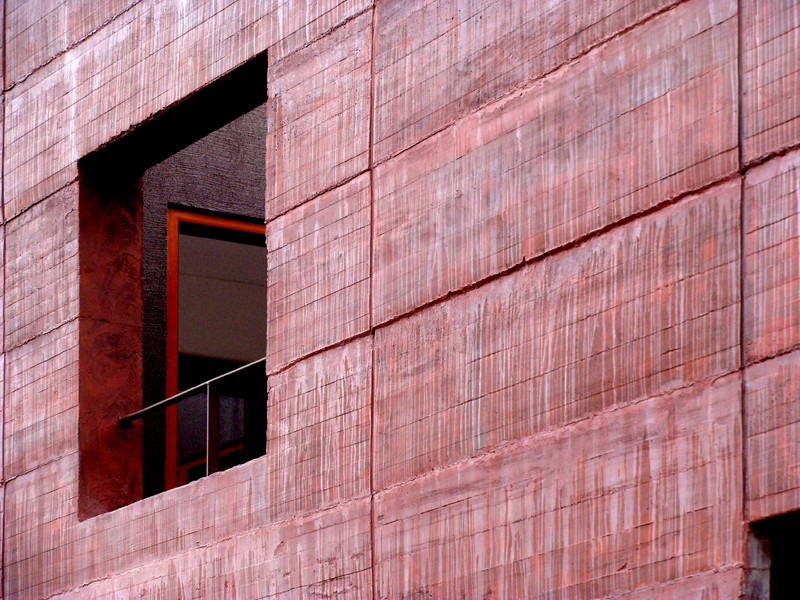
3. Pael House, Chile. Architects Pezo von Ellrichshausen.
The only way not to age is to be born old. The concrete blocks are cast in layers, one over another, which gives the façade a flowing effect.
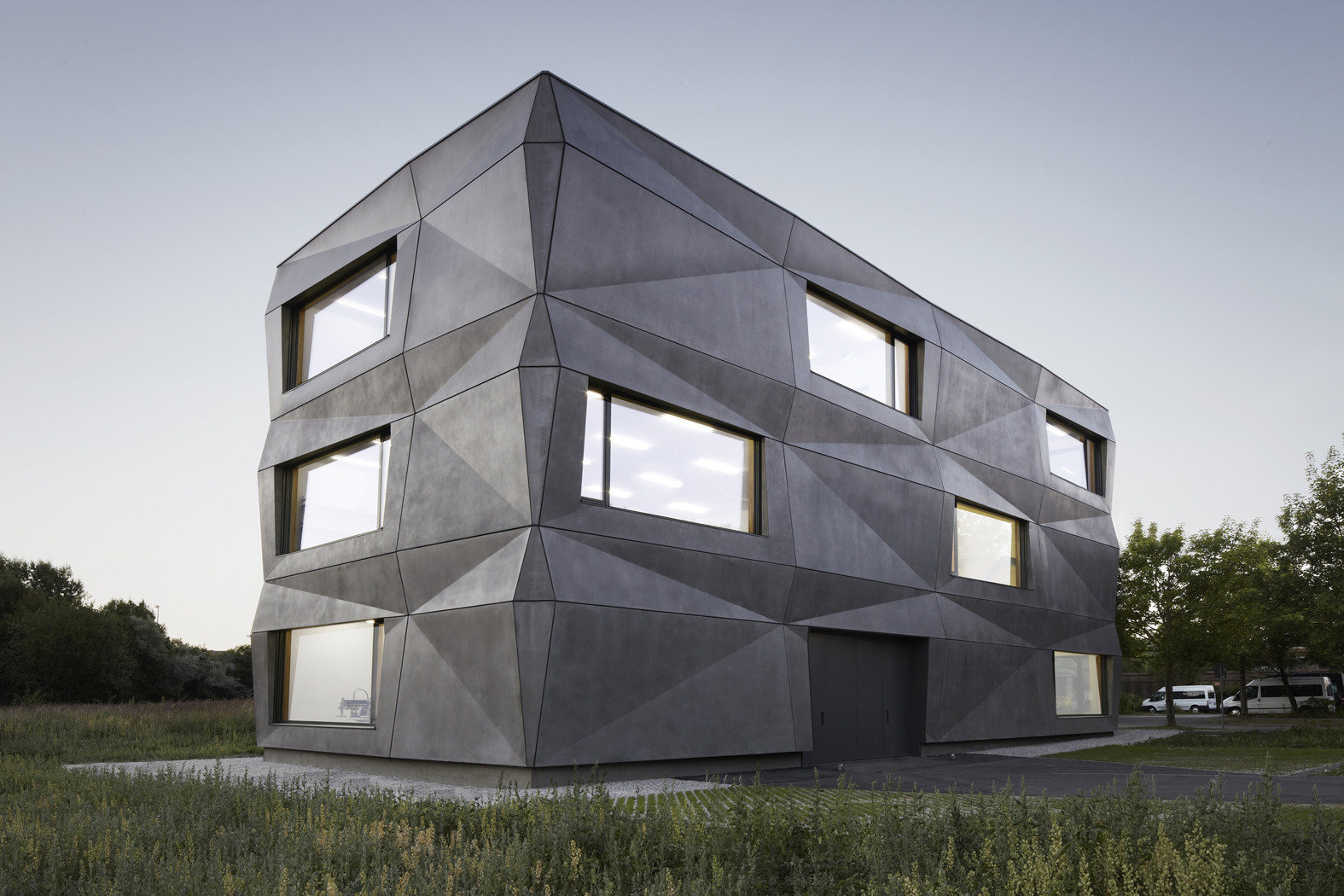
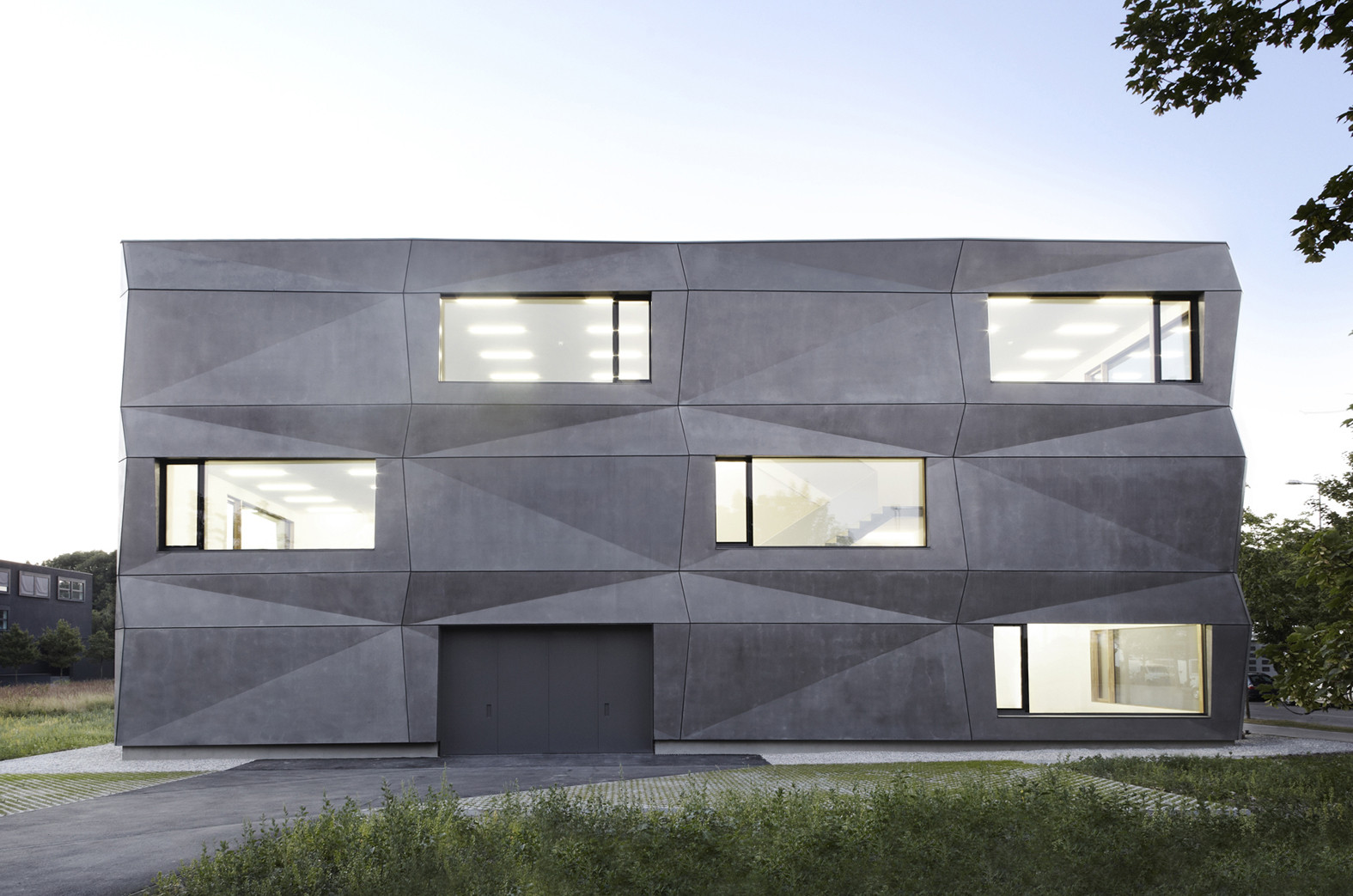
4. Textilmacher, Germany. Tillich Architektur architects.
The complex geometry of the facade, combined with the anthracite concrete, creates a play of light and shadow. Depending on the weather and the brightness, the color and character of the facade shift.