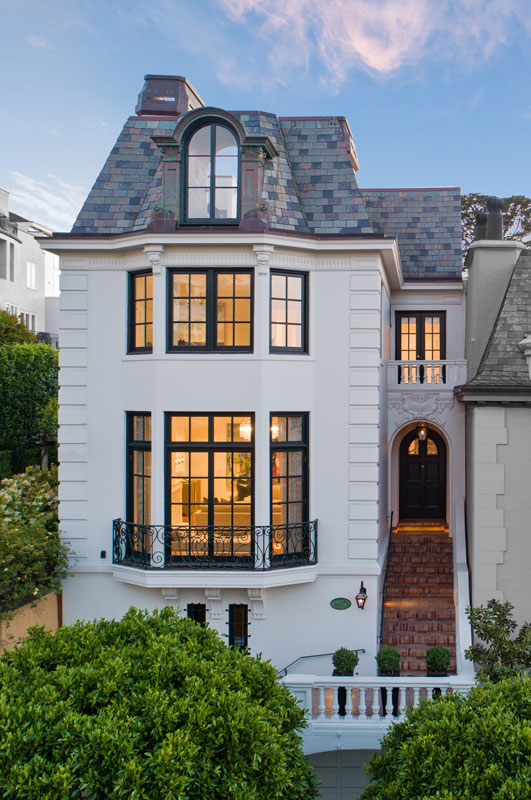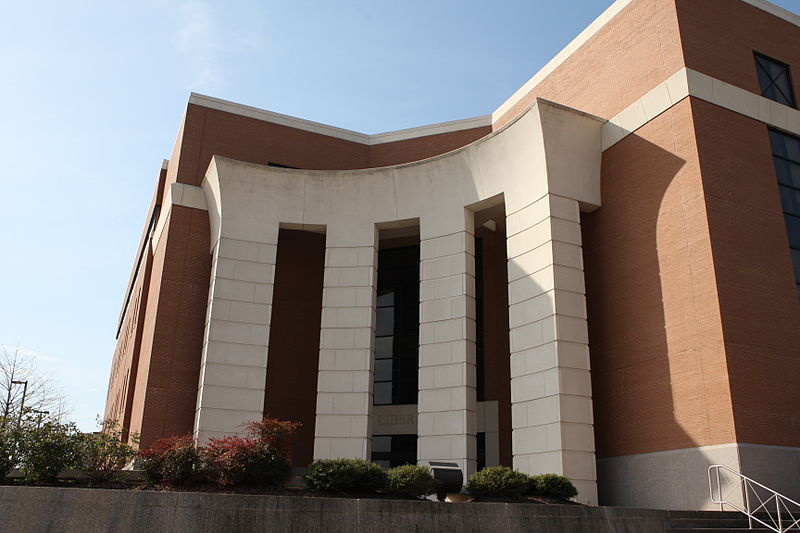
Rustication in architecture: why I'm in love with this technique
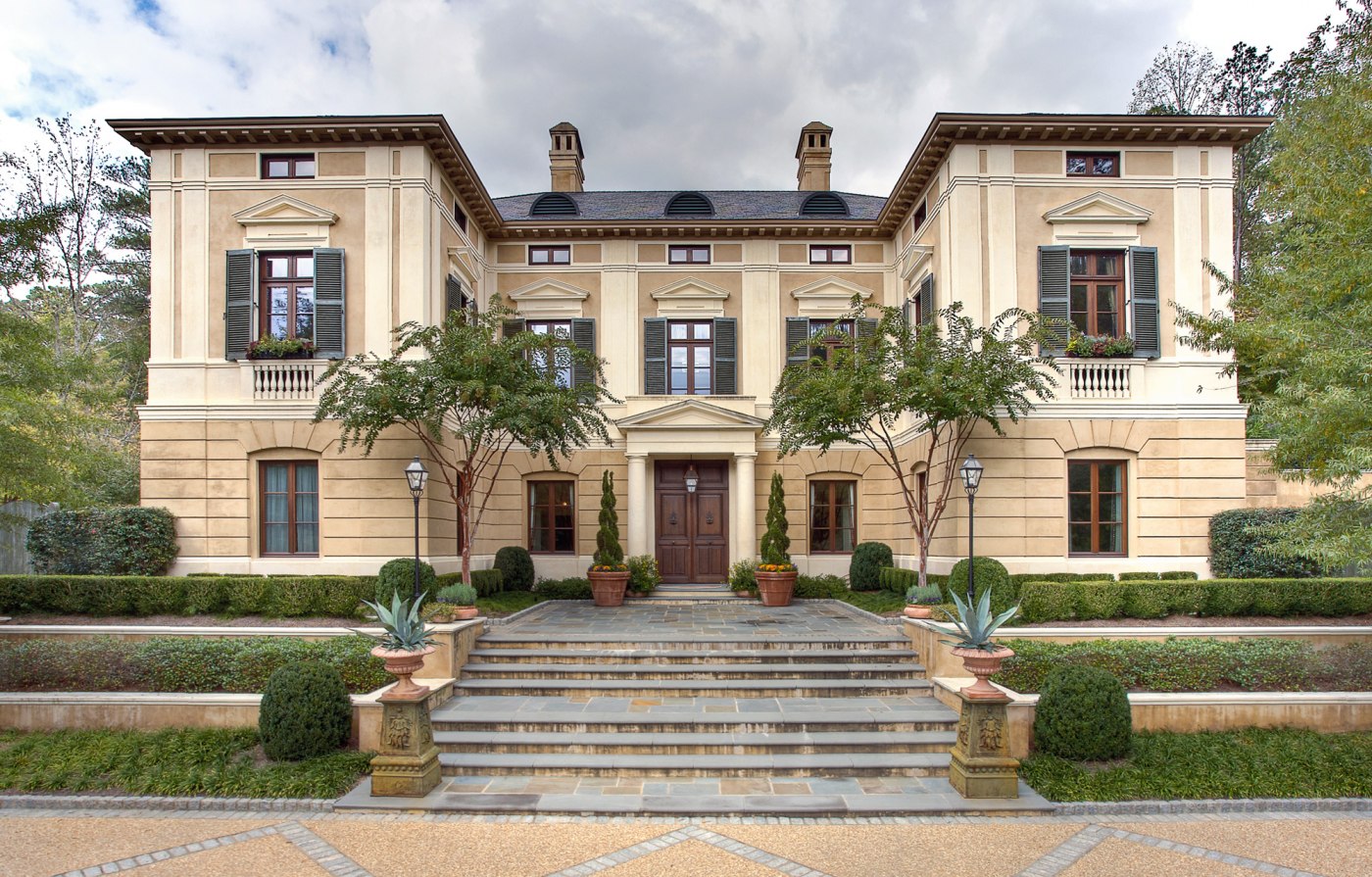
Hi, this is Maria, and today I want to talk about rustication, an architectural technique that I consider one of the most underrated in modern construction. I have used rustication in more than 30 projects over the past 12 years, and each time it has revealed something new to me.
What rustication is and why it fascinates me
Let me start with a personal confession: when I first started out, rustication struck me as boring and old-fashioned. I mean, come on, textured masonry with deep joints! But the more I worked with the technique, the more I fell in love with its possibilities.
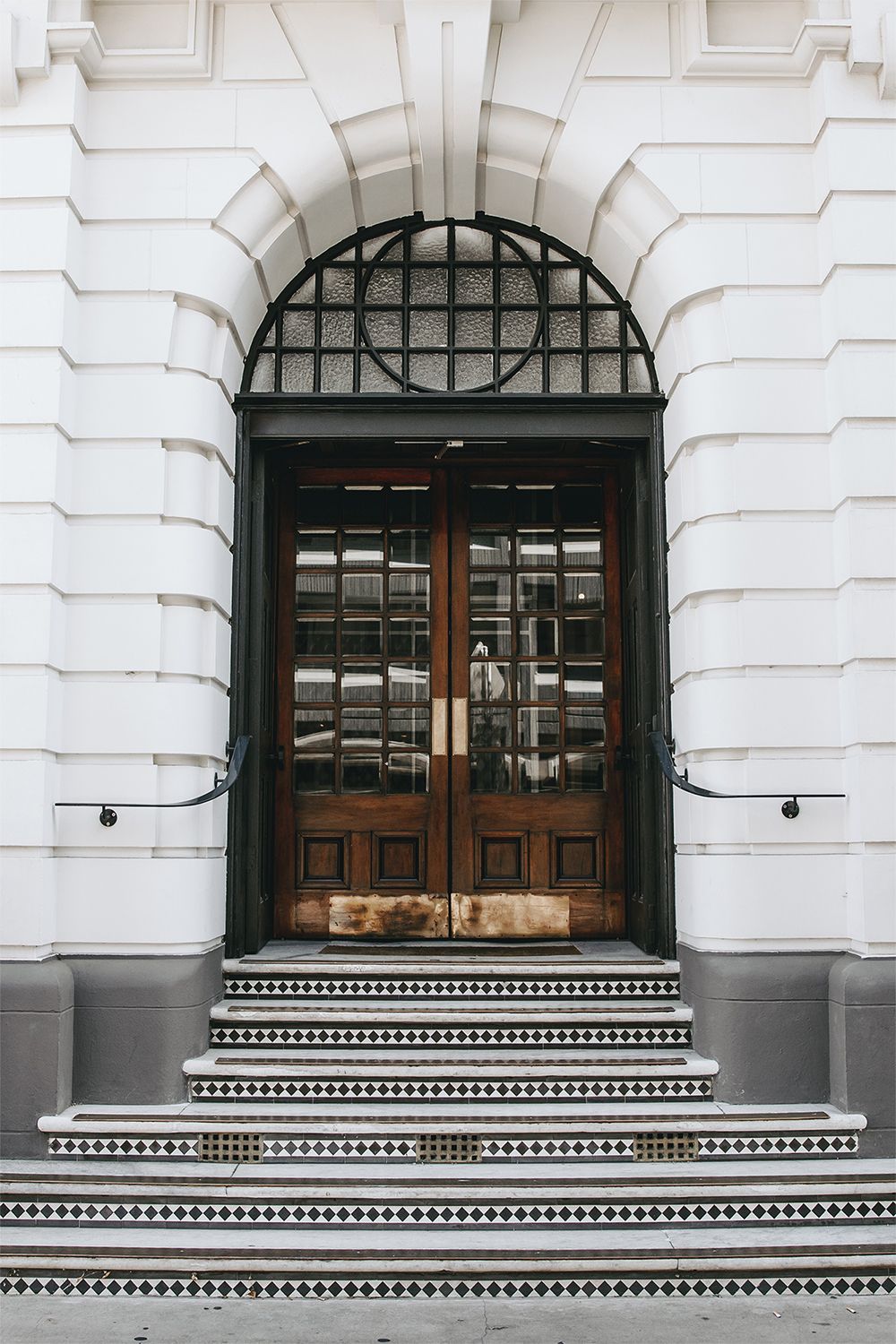
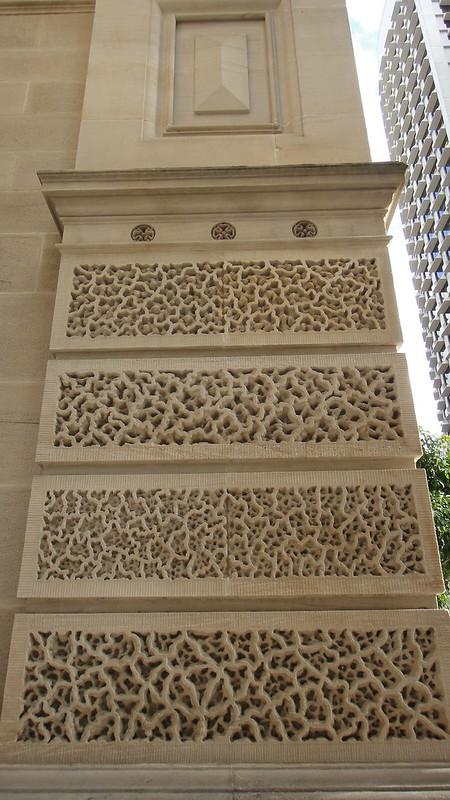
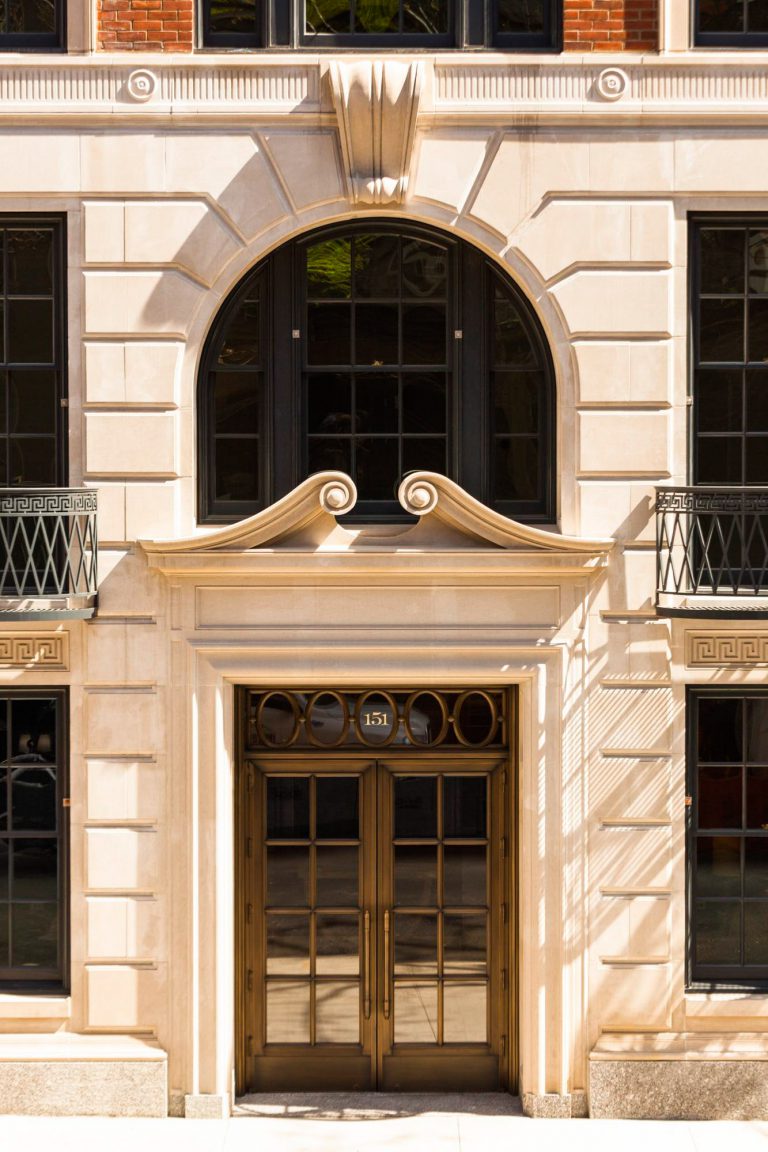
Rustication — is not just a decorative treatment of stone. It is a whole architectural language that can tell you more about a building than any other element of the façade. The depth of the joint, the texture of the stone, the rhythm of the masonry — together they create a building's unique character.
To dive deeper into the topic, read our article on rustication.
My favorite historical examples
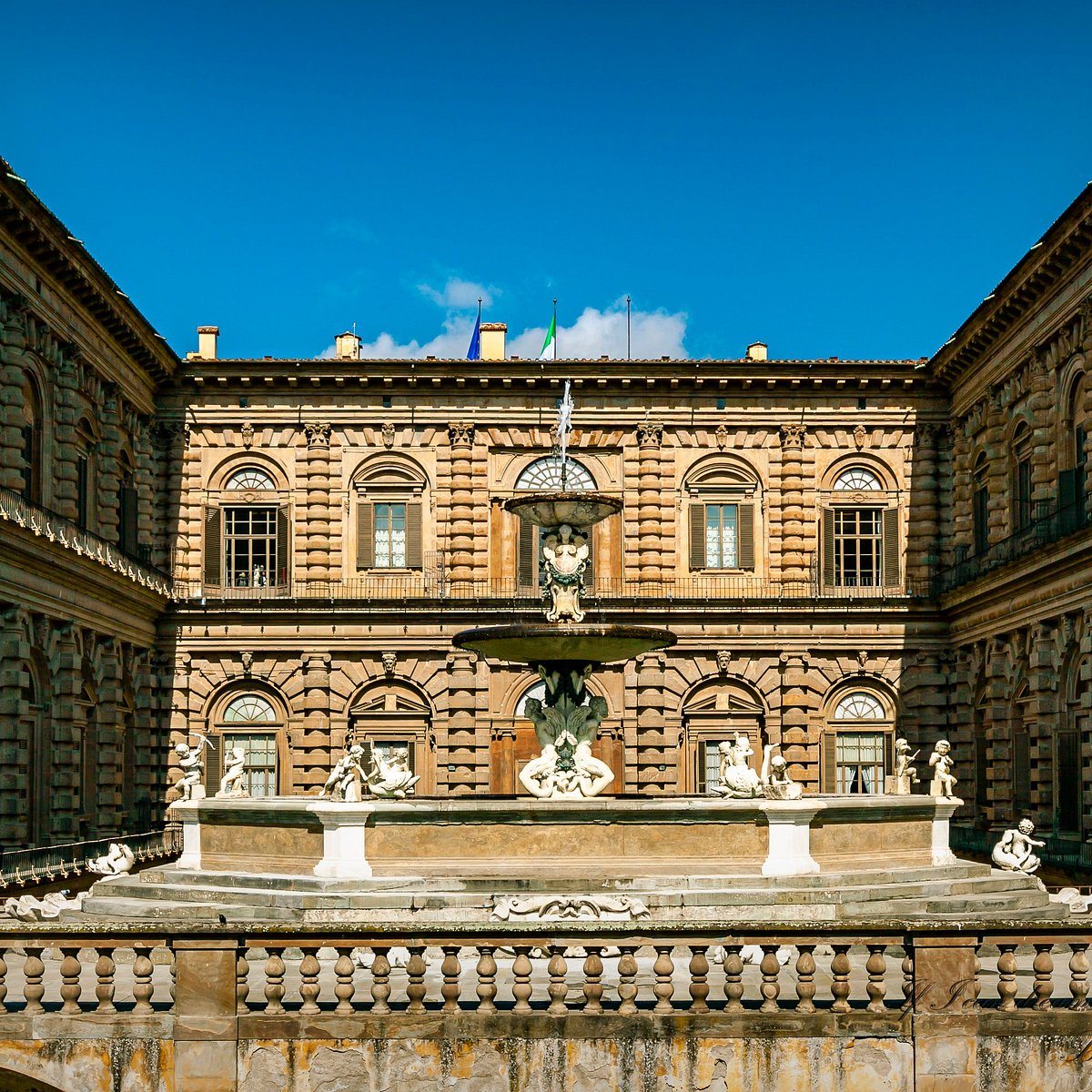
Palazzo Pitti in Florence — is a personal favorite of mine. I remember the first time I saw it in person — those huge rough-hewn stone blocks are literally hypnotic! The lower floor is as brutal as possible, while the upper floors are more restrained. The technique creates an amazing sense of solidity and strength.
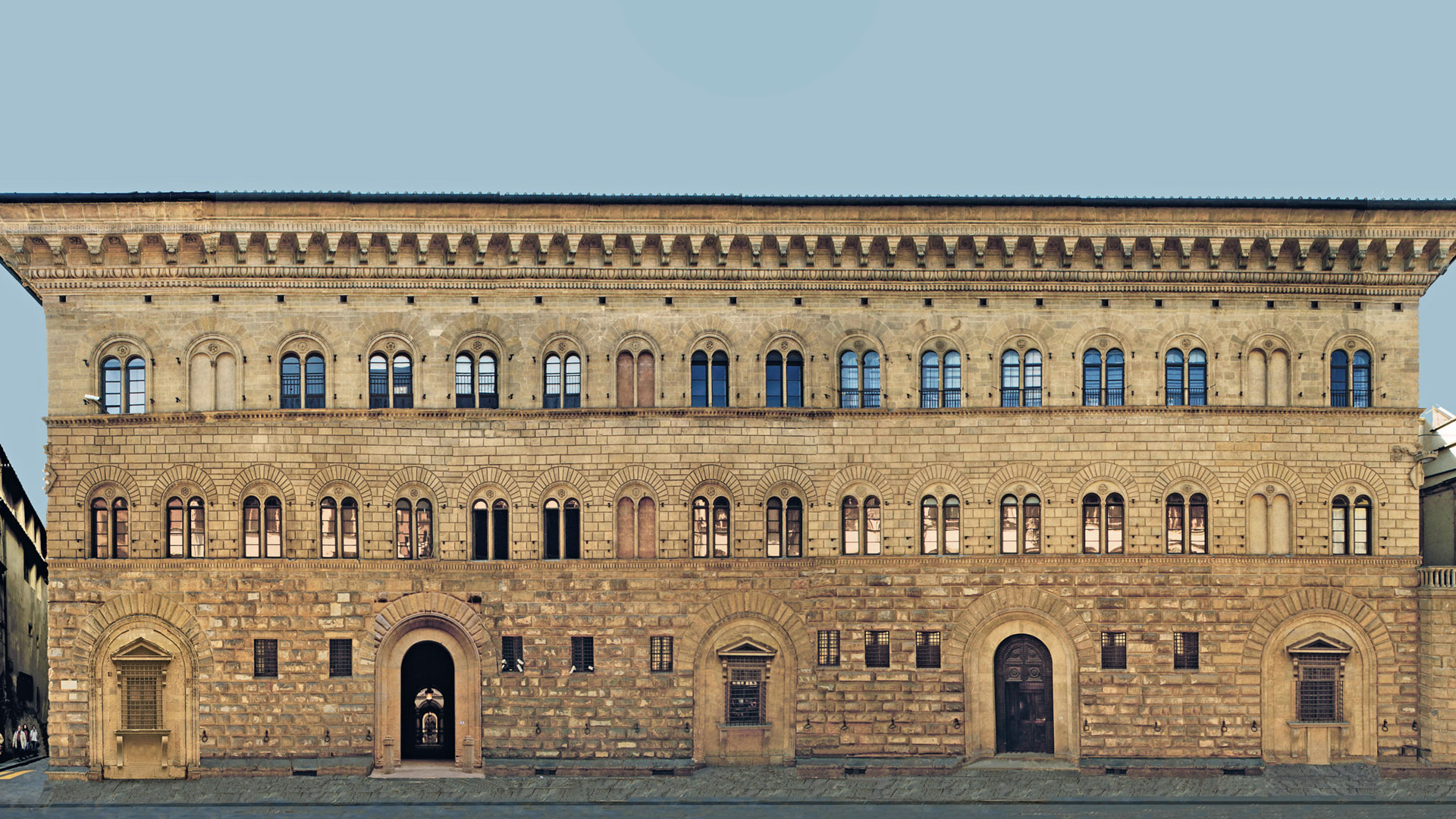
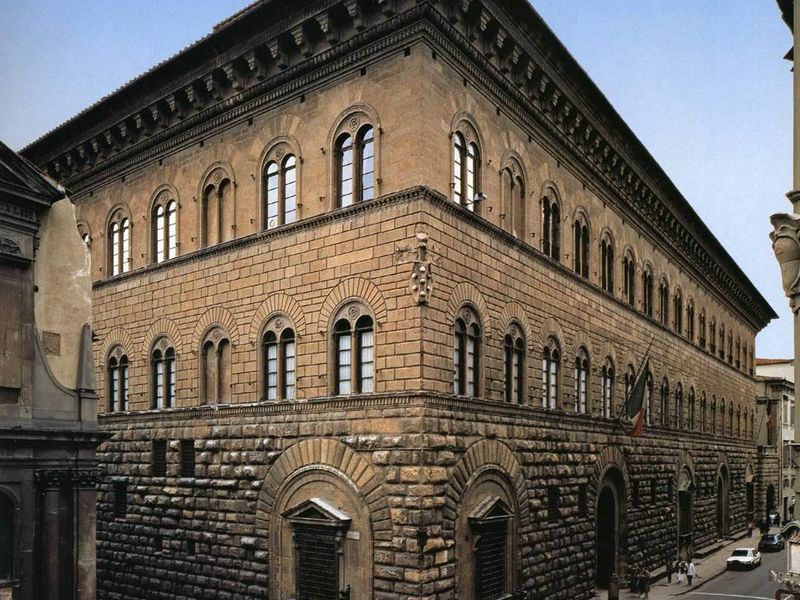
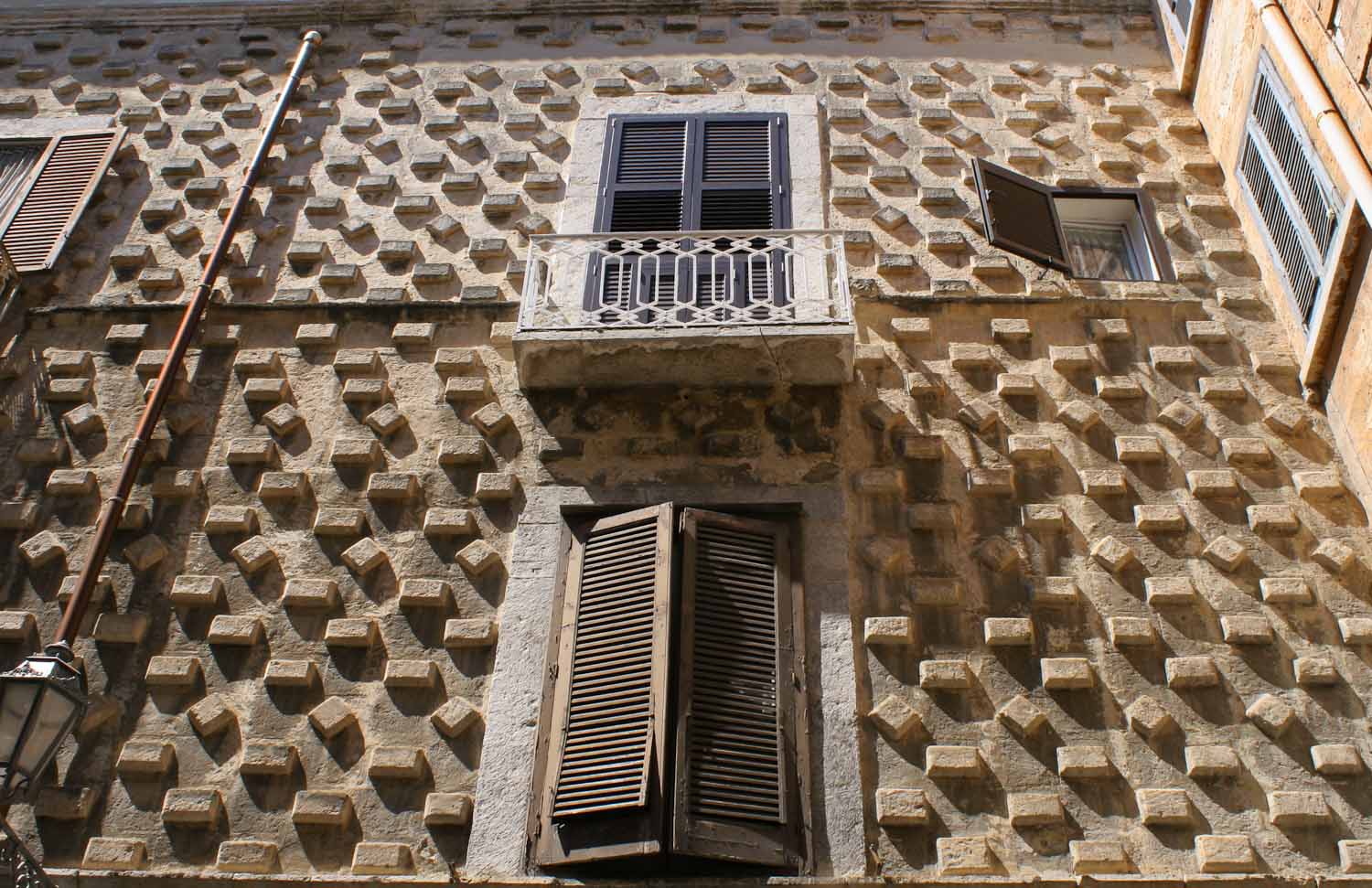
Palazzo Medici Riccardi shows how different types of rustication can be used on a single façade. The first floor is brutal diamond-point rustication, the second is more relaxed, and the third is almost smooth. It's like a symphony where each floor plays its own part!
My favorite modern examples
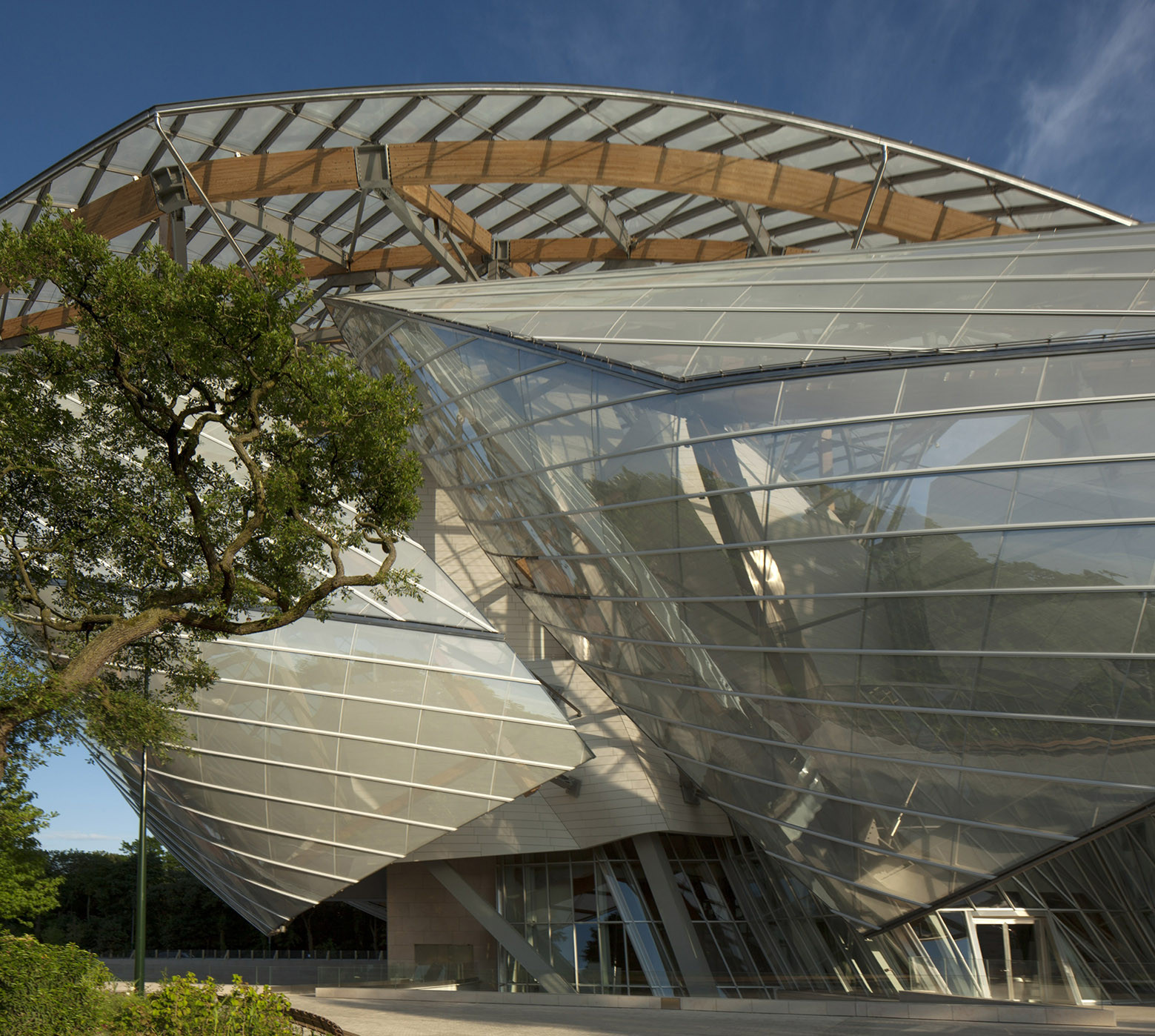
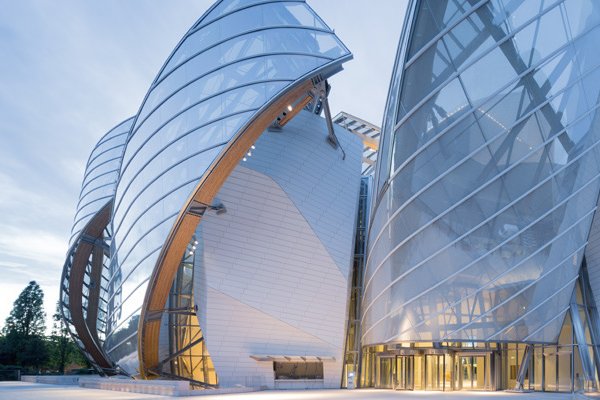
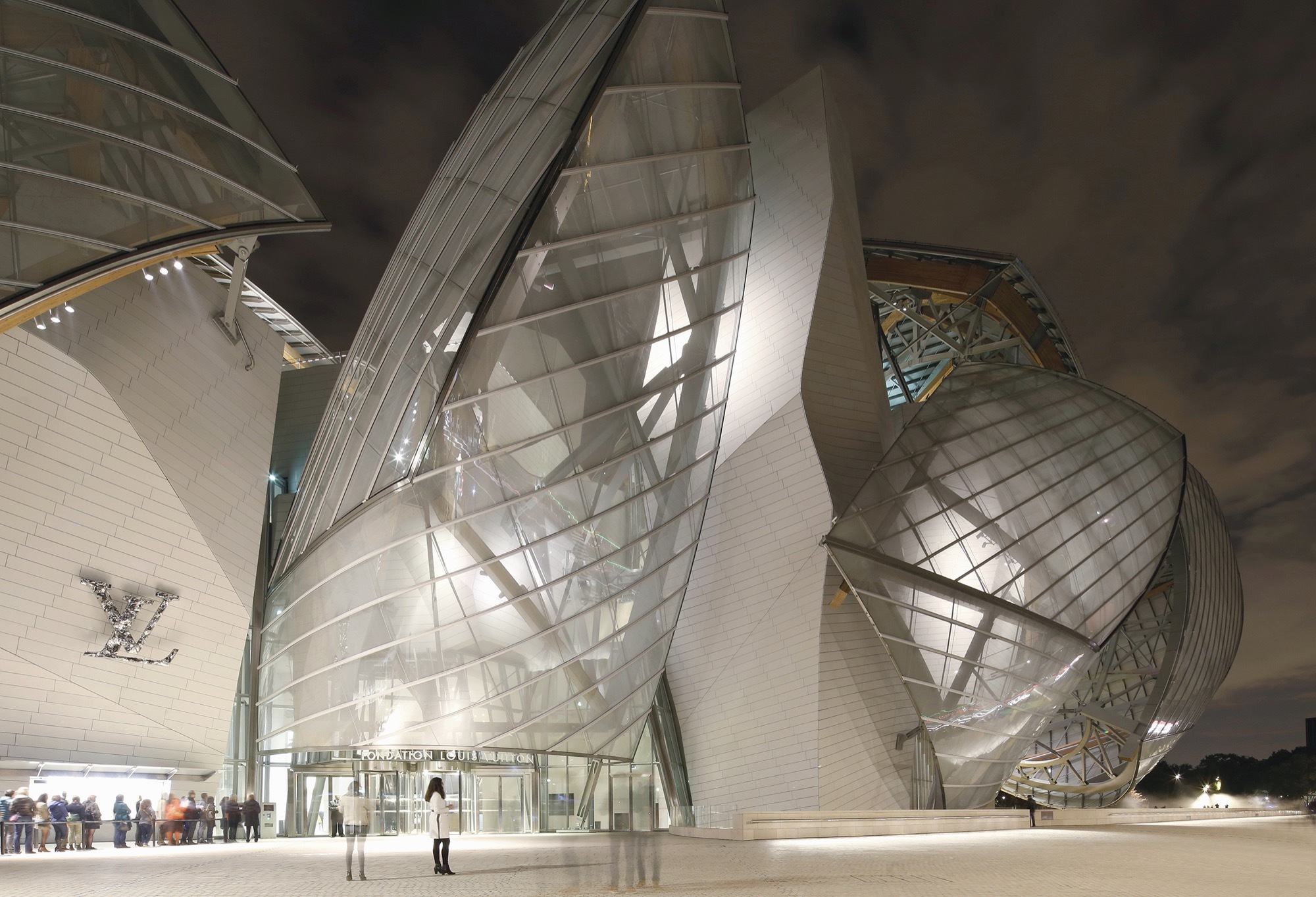
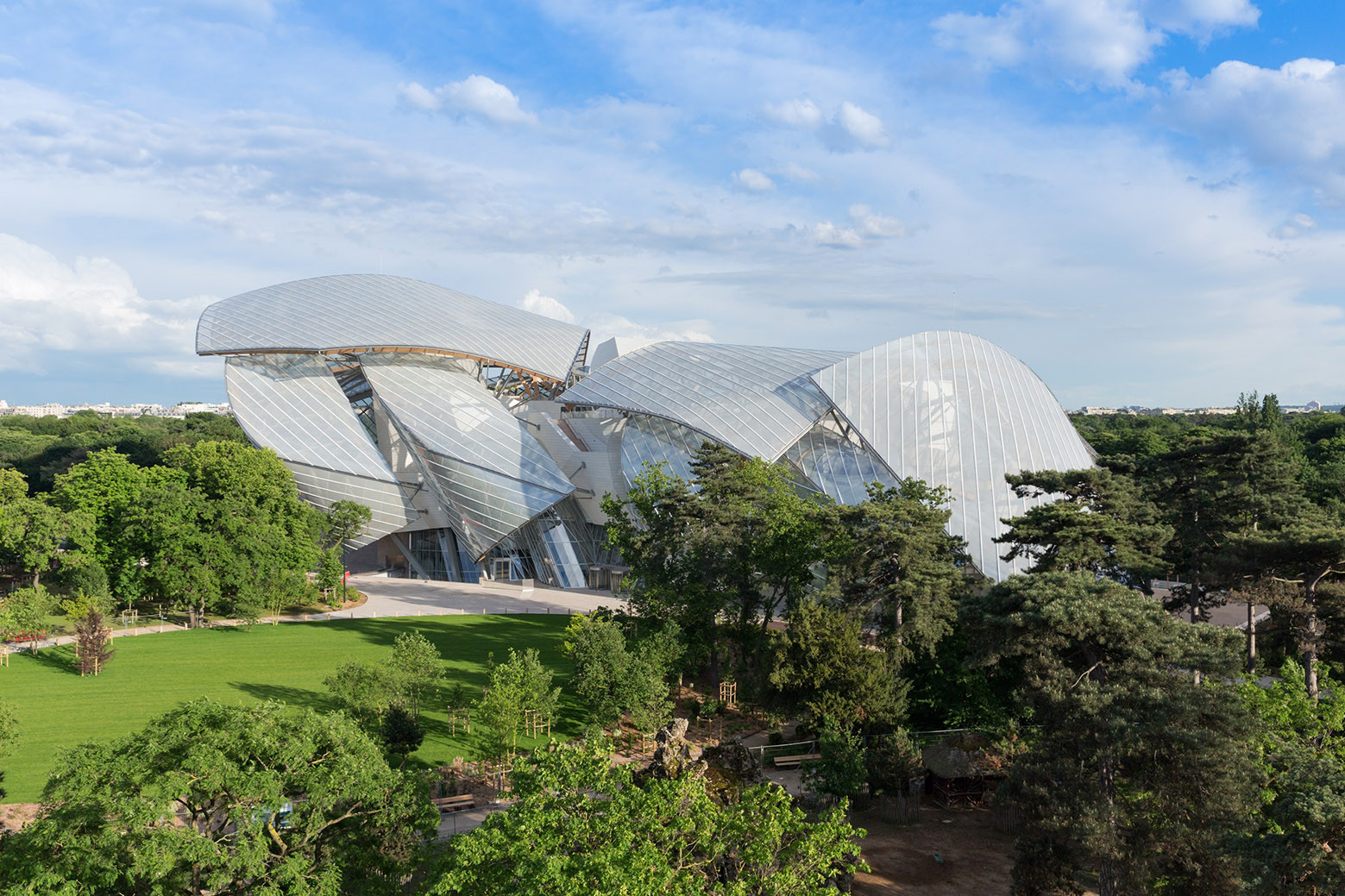
The new headquarters of the Louis Vuitton Foundation in Paris: here, rustication is used in the glass panels! A stunning example of how a classic technique can be reinterpreted in modern materials.
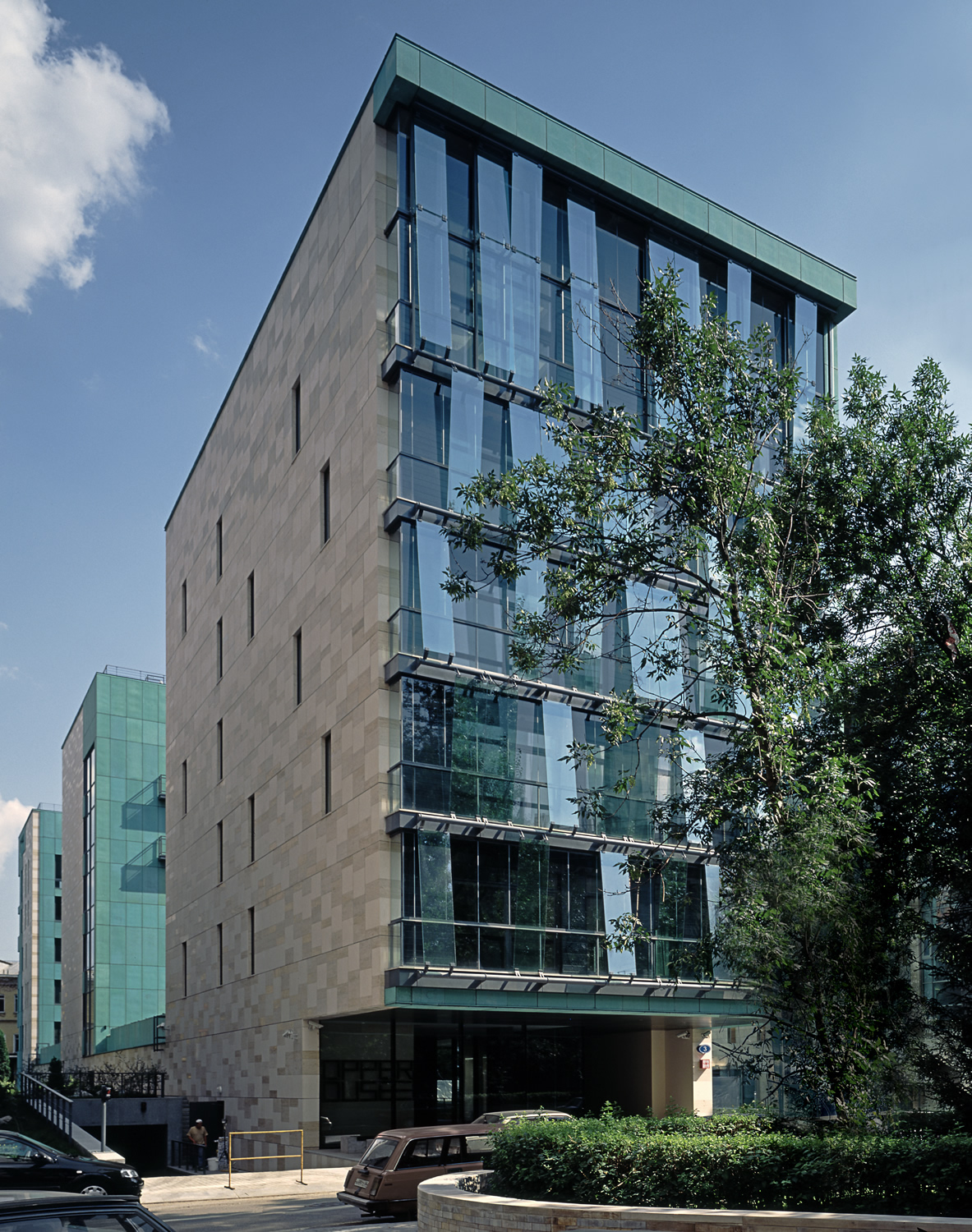
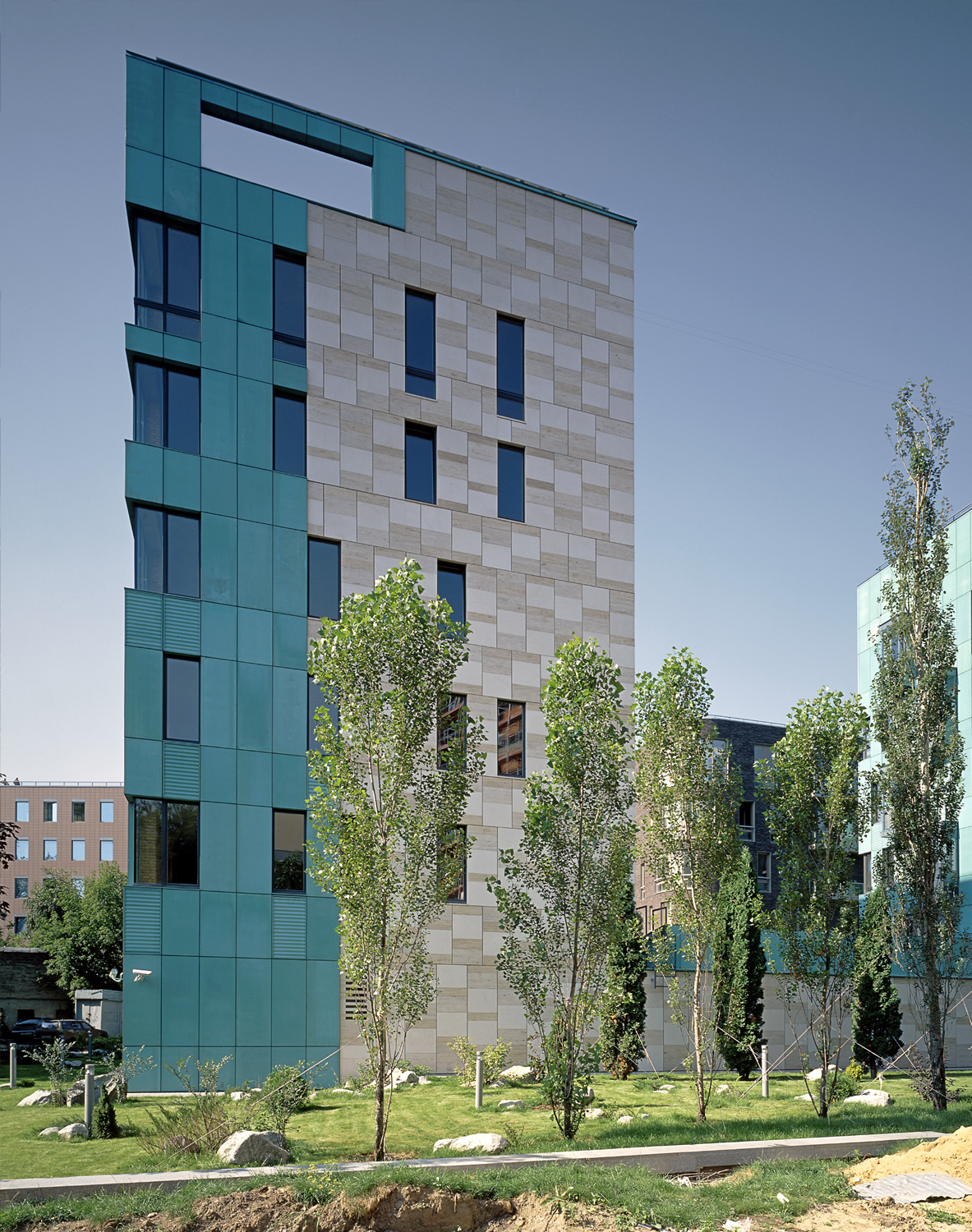
Cooper House on Butikovsky Lane by Sergei Skuratov: a true master class in the modern interpretation of rustication. The façade is finished in an intricate clinker brickwork, where alternating horizontal and vertical elements create an expressive relief. Especially impressive is the way the architect plays with the building's corner, using rusticated masonry to create a sculptural transition.
Practical tips from me
Over the years, I have developed a few rules for using rustication:
- Proportion matters
- For private houses, I recommend blocks no taller than 40–50 cm
- The depth of the joint should be proportional to the size of the block (usually 2–4 cm for medium-sized blocks)
Materials and textures
- Natural stone: the most expensive but also the most spectacular option
- Concrete: an excellent alternative for modern projects
- Plaster: a budget option, but one that takes skill to execute
Where to use it
- Basement and ground floor: a classic that always works
- Accent walls: create a focal point
- Individual elements: portals and window frames
Common mistakes
- Overdoing the rustication. Some people cover the entire façade in it, from the foundation to the roof. It's like wearing an evening gown to the beach — too much!
- Inconsistency of style. I recently saw a minimalist house with massive, classically styled rustication. It's like wearing sneakers with a tuxedo.
- Wrong proportions. Shallow rustication on a large building, or the reverse, is like clothing in the wrong size.
Rustication is not just a decorative technique; it is a powerful tool in the architect's hands. It can make a building monumental or light, traditional or modern. The main thing is not to be afraid to experiment!