
An honest conversation: how to read what's really behind “make it beautiful”
Hello everyone, this is Tatyana! Today I want to share a story that started as an ordinary meeting with clients but turned into a real detective investigation.
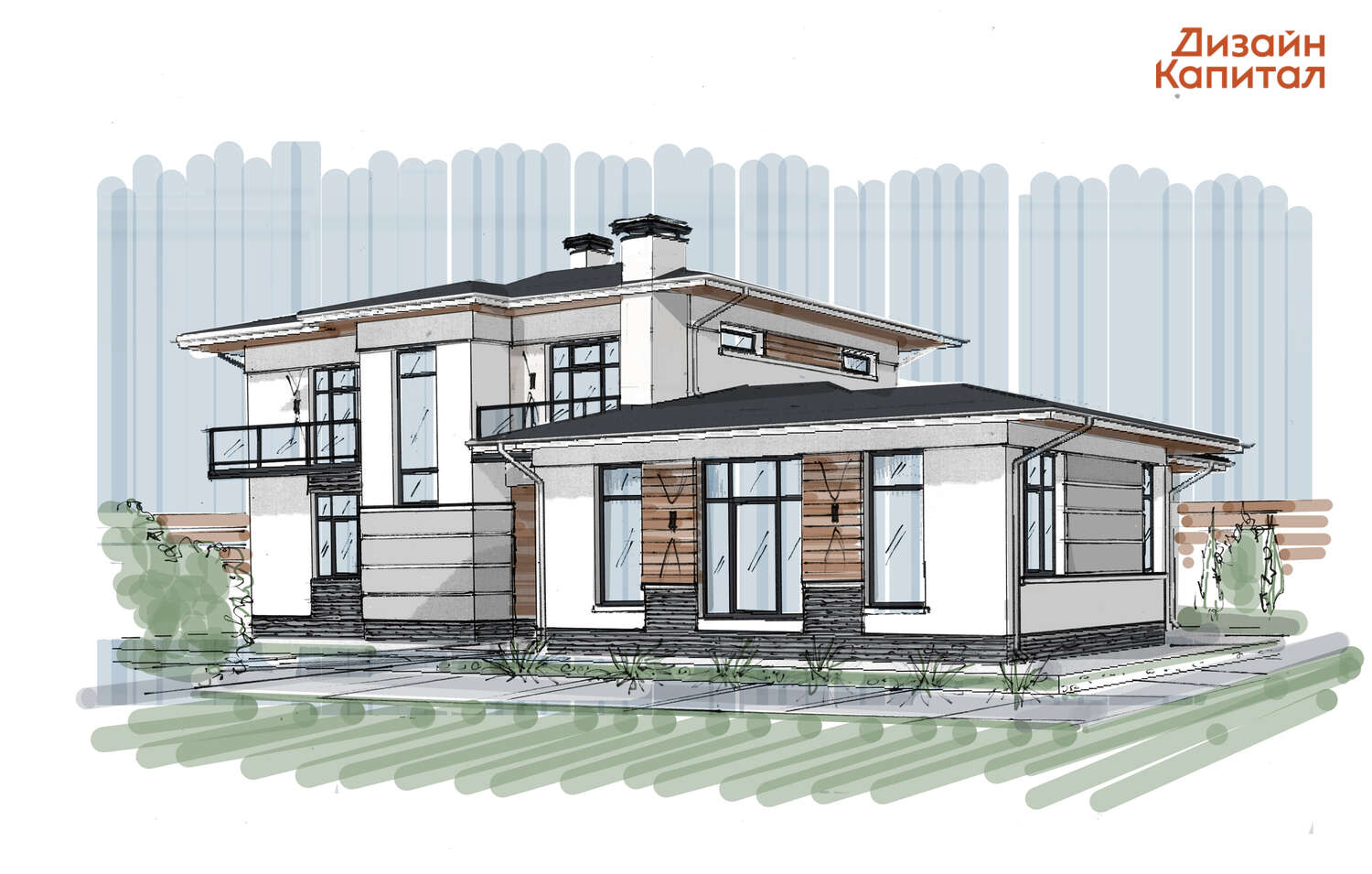
The story of one «beautiful»
A new client, a familiar story: they had built a house and now needed a «beautiful façade.» At first glance, a standard request. But let me tell you how one phrase, «make it beautiful,» grew into a full-fledged architectural project.
First meeting: what I heard
- «We want something unusual» (a classic line)
- «Like everyone else, but it should stand out» (a favorite paradox)
- «Modern, but it shouldn't go out of style» (another one)
- «Within a reasonable budget» (which hadn't been defined yet)
What was behind these words
After two hours of conversation, it turned out that:
«Unusual» meant:
- The house should be light in color
- Definitely large windows
- But «not too glassy»
- And the neighbors shouldn't be able to peek inside
«Like everyone else, but standing out» translated to:
- Natural materials
- No flashy colors
- Interesting architectural details
- «Guests should say wow, but not think we're showing off»
«Modern, but timeless» turned into:
- Minimalist forms
- Classic proportions
- High-quality materials
- Thoughtful zoning
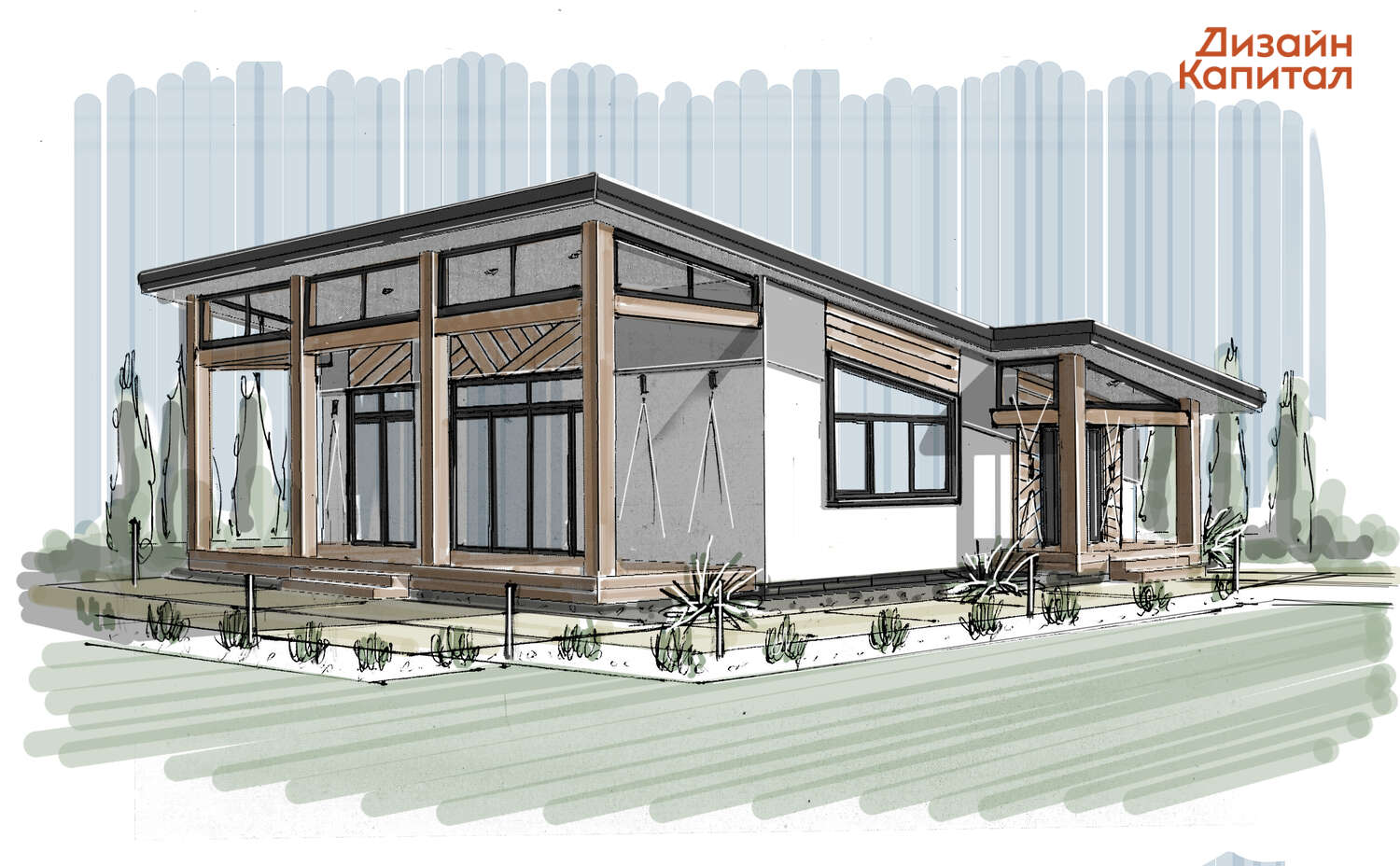
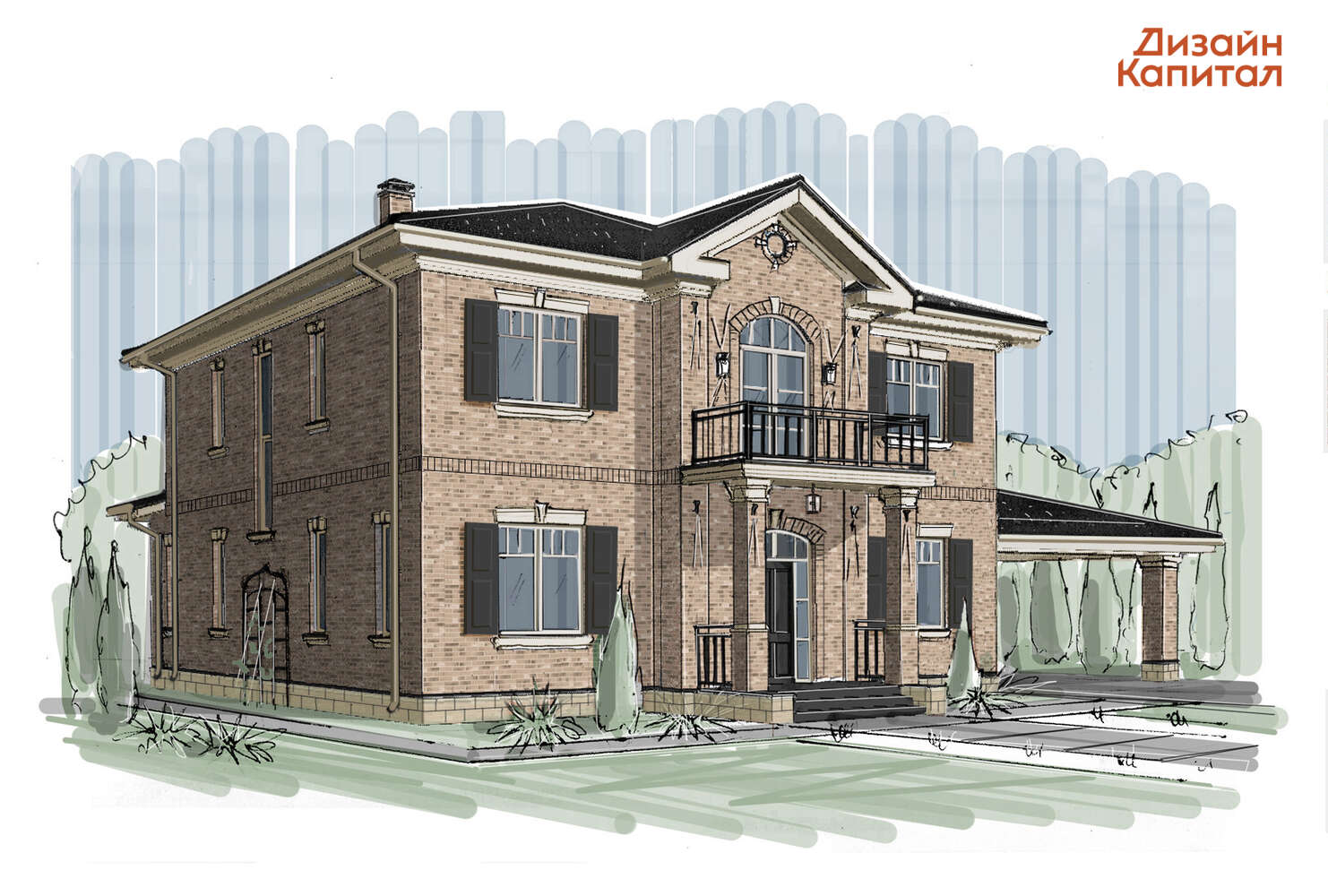
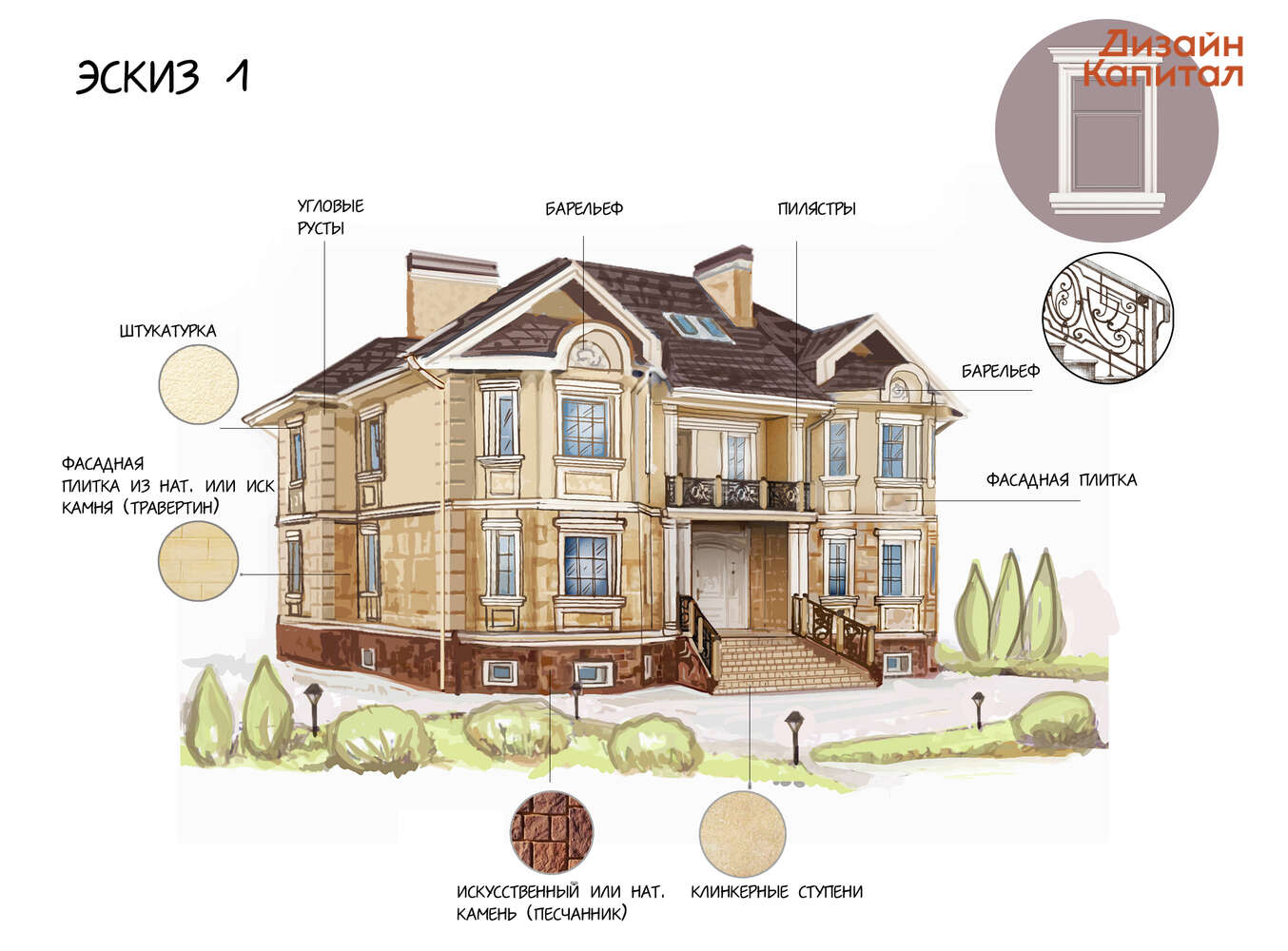
My «interrogation» tools
Over the years, I've developed my own method for uncovering a client's true wishes:
I start with lifestyle questions:
Who lives in the house? What does a typical day look like? Where does the family spend most of its time? What are their hobbies?
Then I move on to practical matters:
How often do they host guests? Where do they park their cars? Do they have pets? How do they use the yard in different seasons?
And finally, I dig into the details:
Favorite materials. Disliked colors. Examples of houses they like and dislike. Memories of places where they felt comfortable.
What we ended up with
After many clarifying questions,
Materials:
- Light-colored travertine for the main surfaces
- Accents of thermally treated wood
- Graphite-colored metal elements
- Large windows with smart glass
Layout solutions:
- A covered barbecue terrace with a garden view
- A separate exit to the relaxation area
- A private pool area hidden from prying eyes
- A convenient driveway to the garage
Special requests:
- Automatic window shading
- Integrated façade lighting
- An irrigation system for the vertical greenery
- Heated sections of the terrace
And you know what's most interesting? Along the way, the client admitted: «We didn't even know what we wanted until you started asking questions.» Moments like these are what make my work truly special.

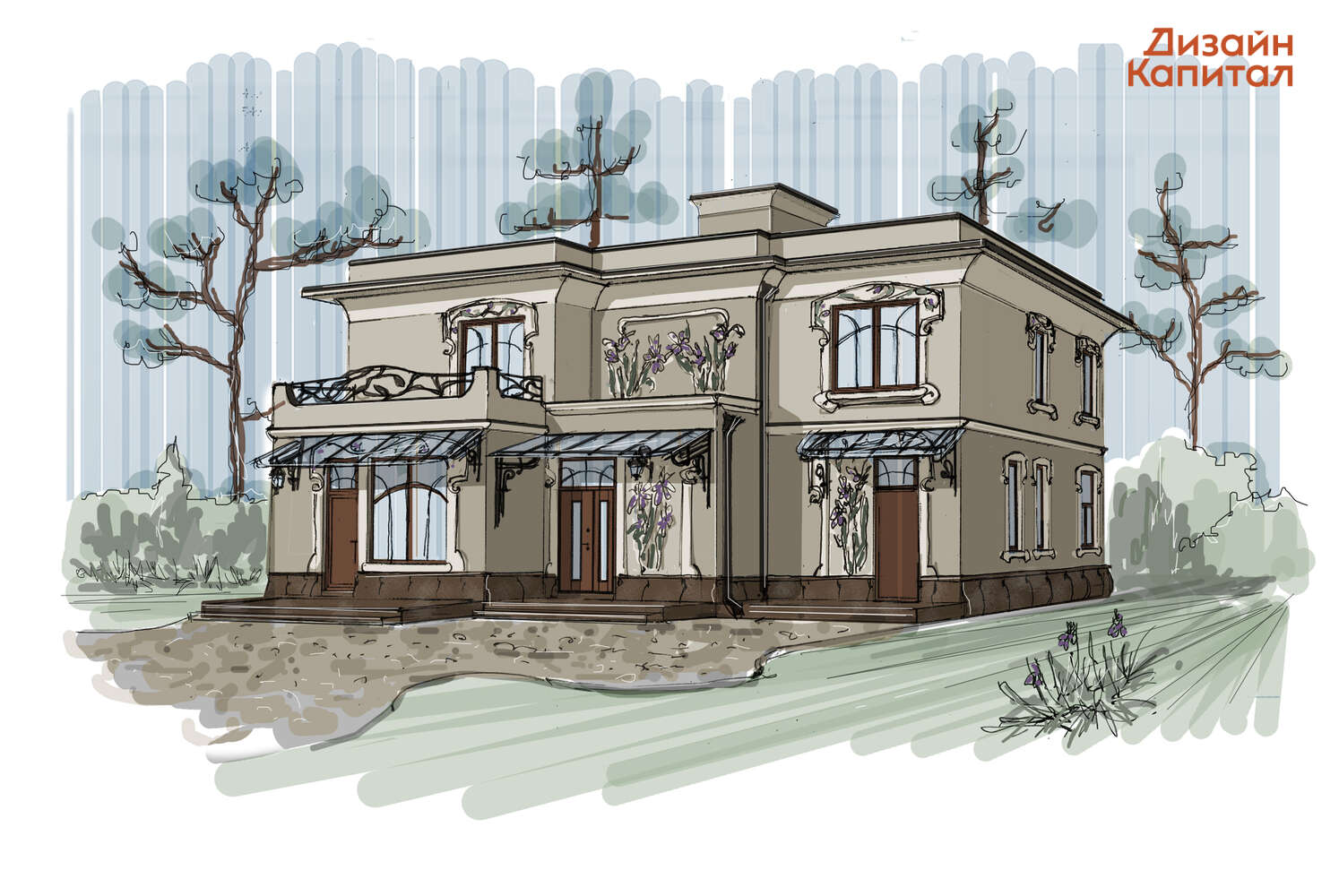
Lessons I learned
- Don't rush to suggest solutions. Let the client talk.
- Ask unexpected questions. «How do you celebrate New Year's?» can reveal more about a home than direct architectural questions.
- Show options. In our studio, we have a rule: always present at least three concepts, even when we're sure about one.
- Document everything. I write down even passing remarks — they often hold the most important insights.
Right now, we are in the project development phase, and I can already see how the initial «make it beautiful» is turning into a well-thought-out architectural solution.