Finalists Announced for the World Architecture Festival (WAF 2020/2021)
In 2020 the festival didn't take place because of the Covid-19 pandemic, so in 2021 the number of participants doubled to include contestants from both 2020 and 2021 — which means the competition was tougher than ever.
There were 14 finalists in the Home/Villa category (completed projects). Most of the entrants came from Asia (Vietnam, Korea, Singapore, Thailand, and China), and four projects came from Australia. Unfortunately, neither Russia nor any European country made the list.
The finals will take place in December 2021 in Lisbon, where the finalists will present their projects to a jury of 148 judges from 68 countries.
Here is the shortlist for the Private House/Villa category (completed projects).
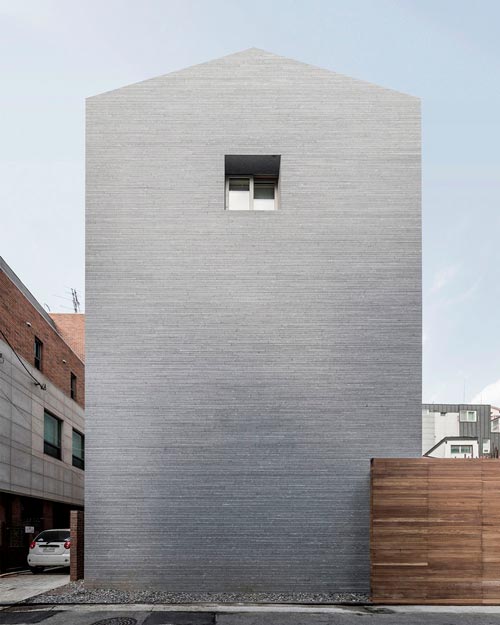
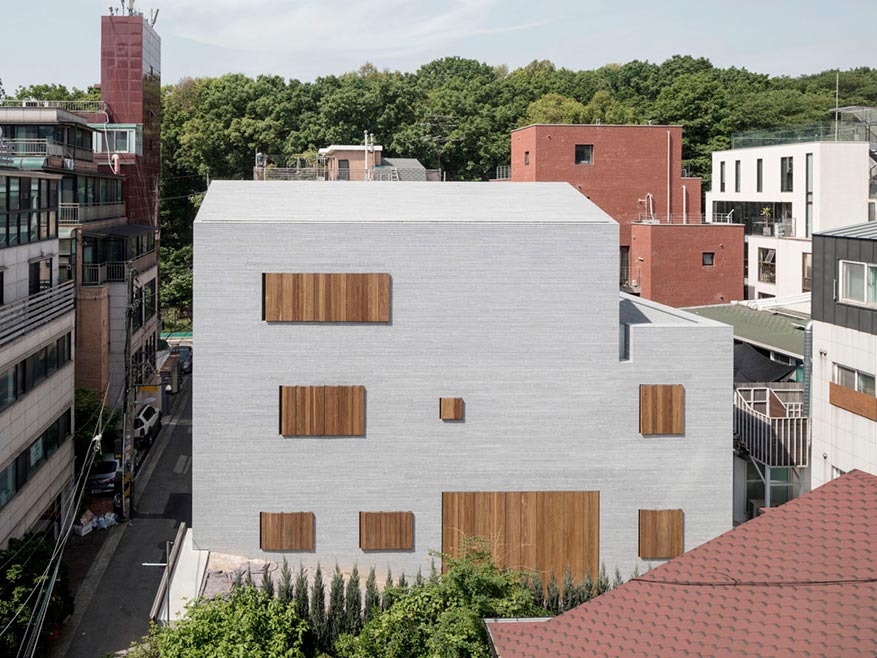
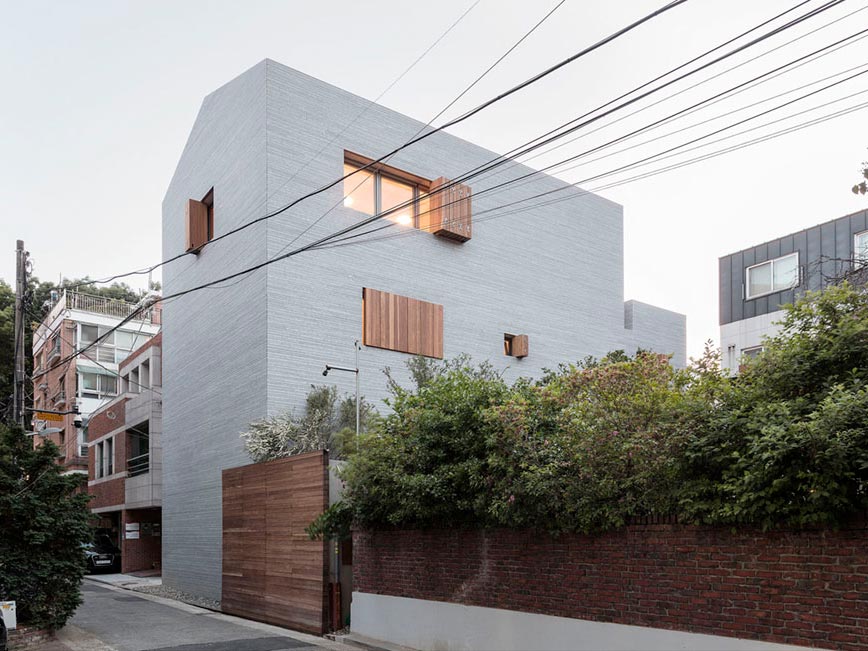
Boulder House (Seoul, South Korea). Architect AtelierJun.
Boulder House sits in the middle of an apartment block. The maximum privacy requested by the client was achieved — though the result looks a bit too conceptual.
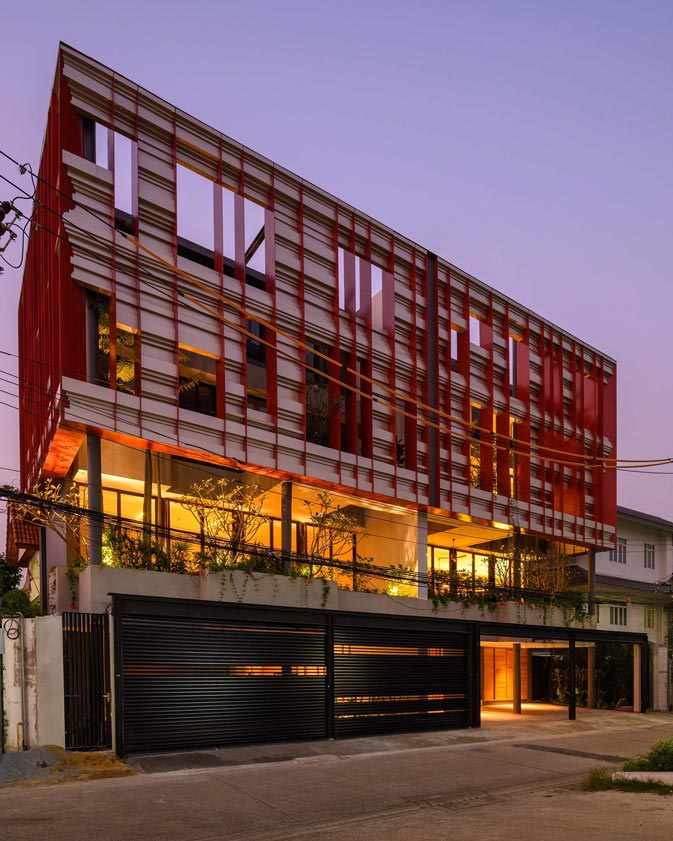
High Garden (Bangkok, Thailand). Architect Baan Puripuri.
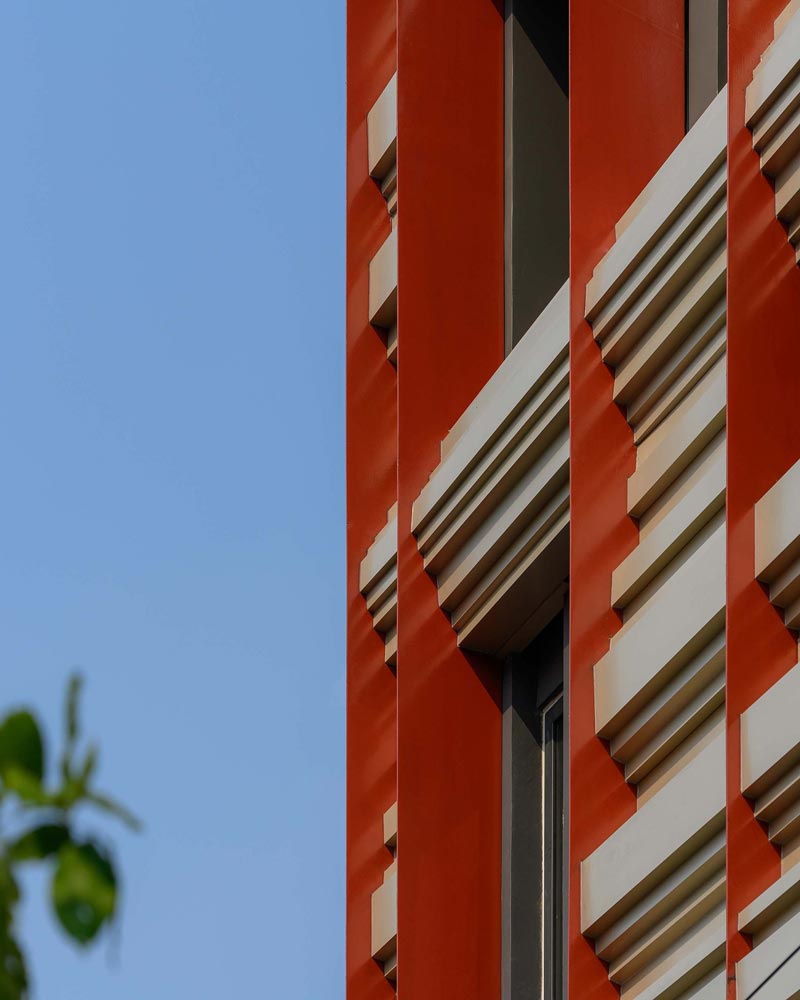
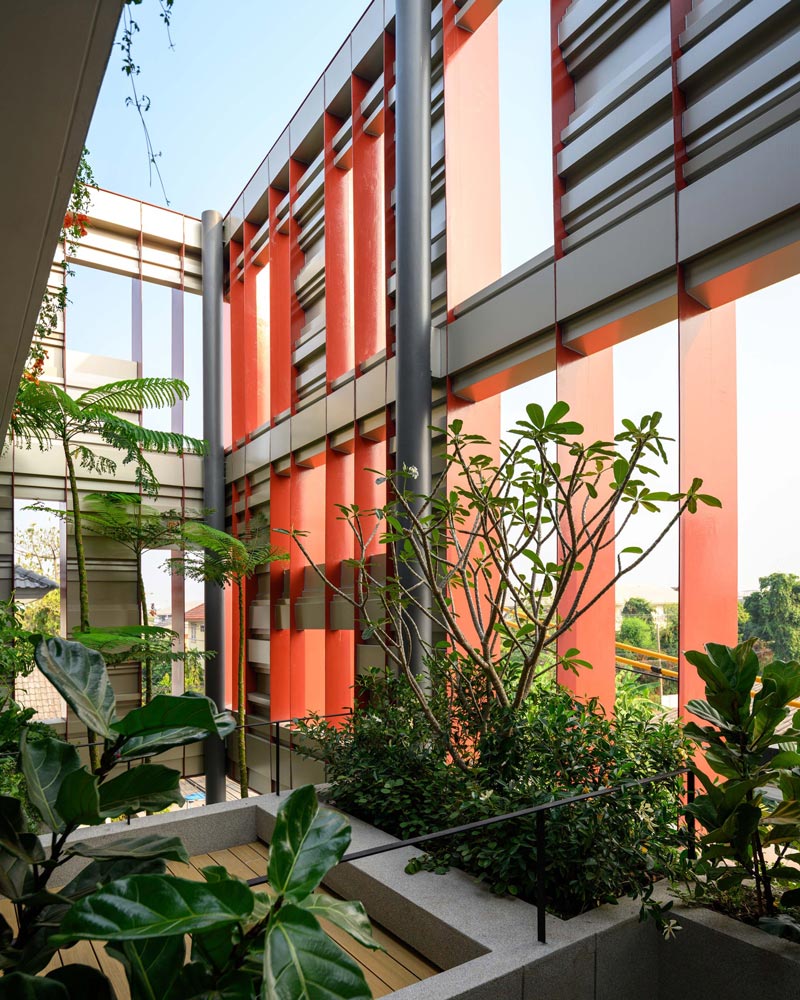
Built around the idea of combining living space with plant life, the main façade is a screen with a lush garden hidden behind it. The jagged moldings and red vertical ribs hark back to traditional Thai architecture.
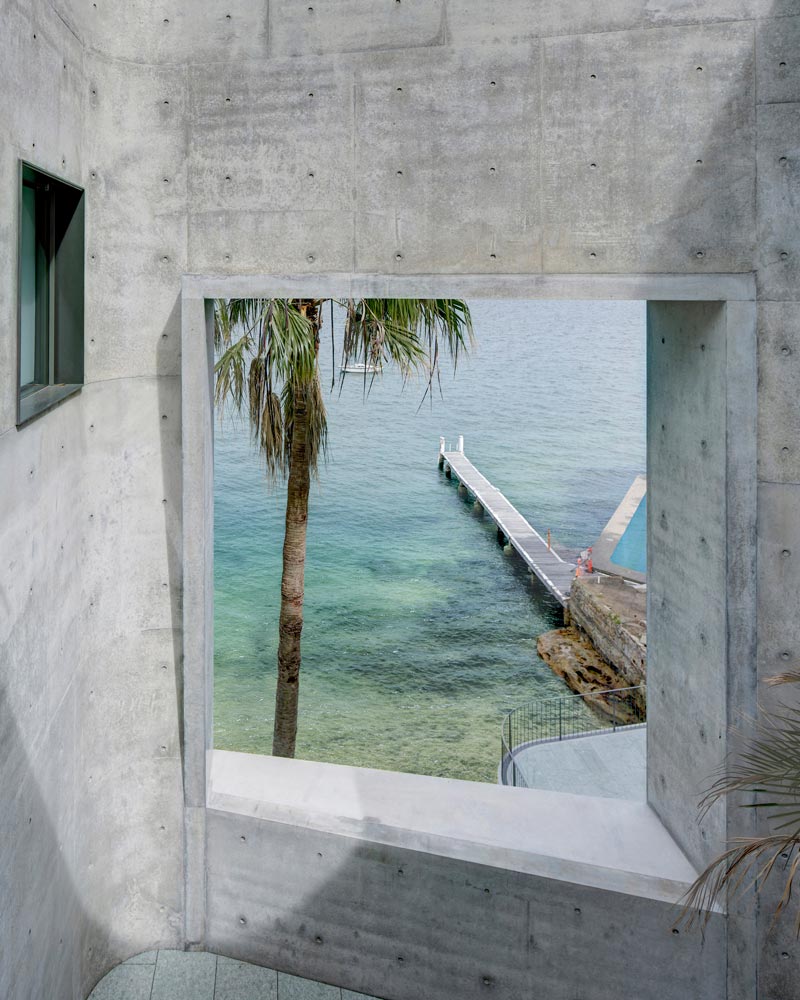
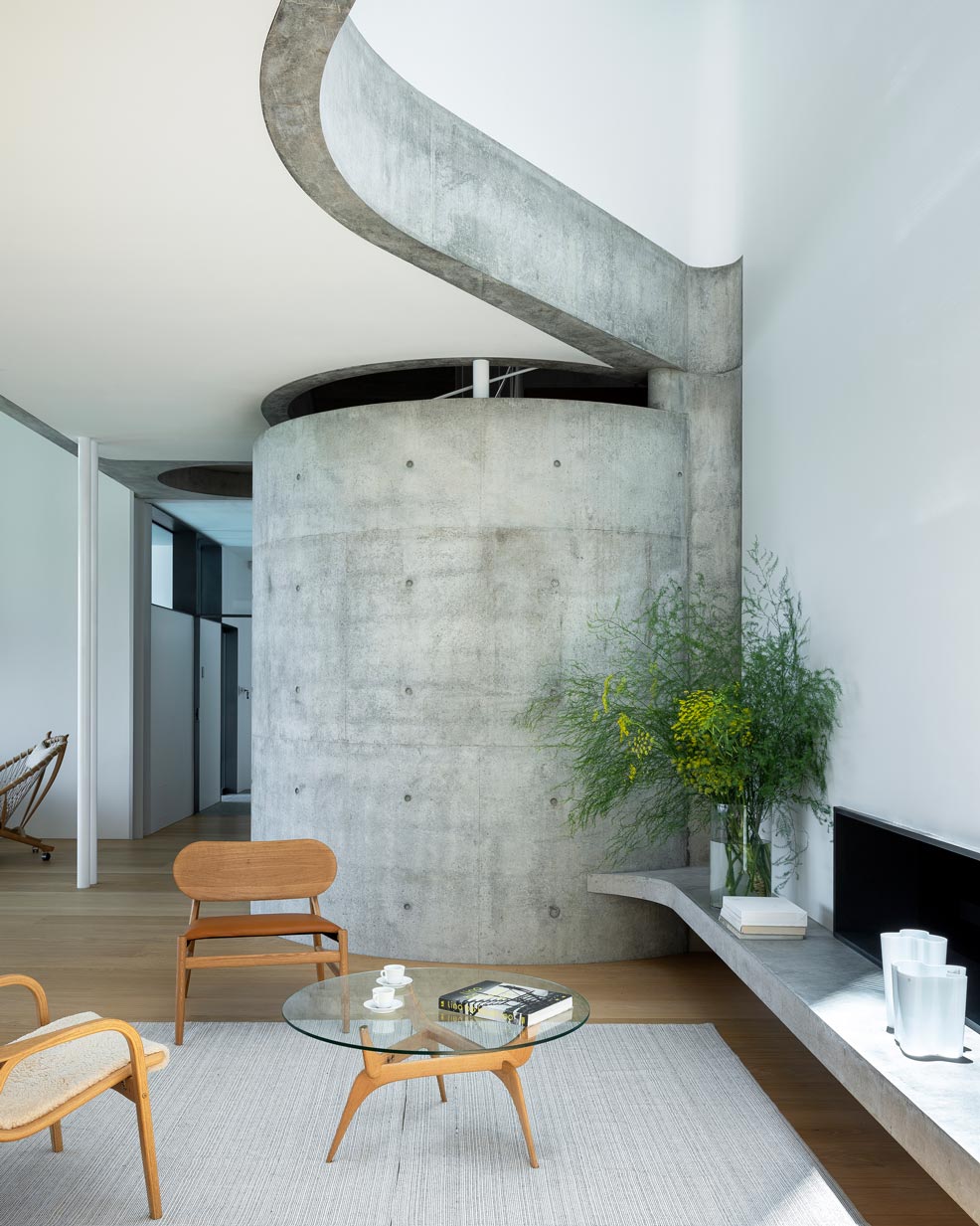
House Taurus (Sydney, Australia). Architect Durbach Block Jaggers.
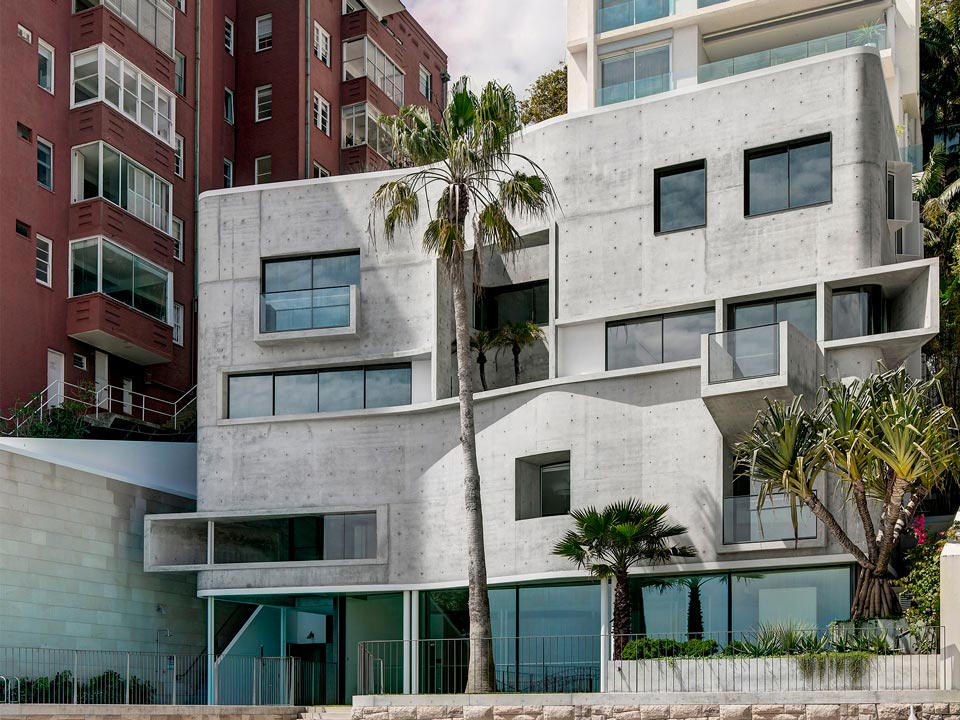
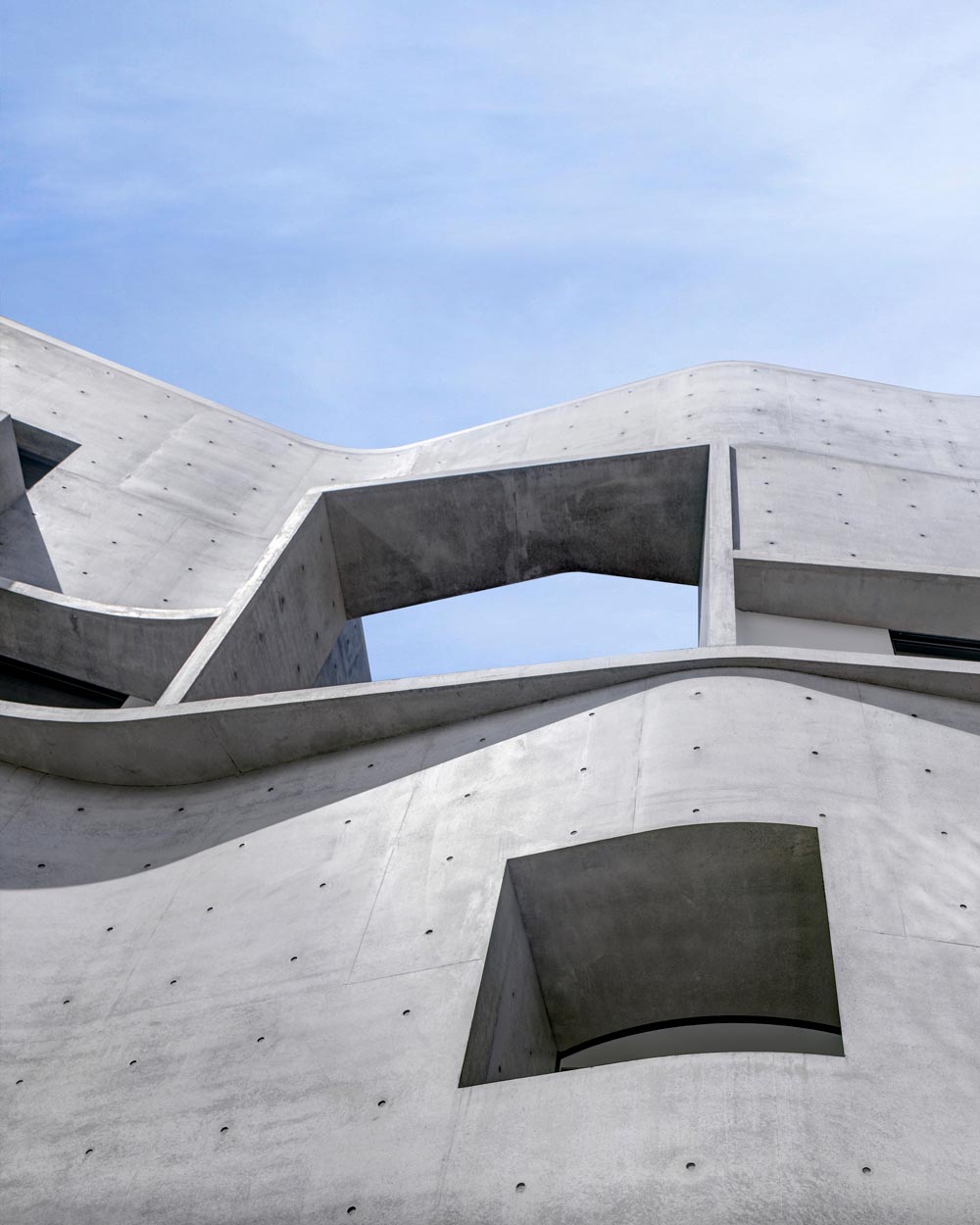
The house on the shore of Sydney Harbour might look harsh and intimidating, like a heavy block of concrete. But the fluid shape of the façade is reminiscent of a wave, and the light gray of the concrete recalls sea pebbles, giving the whole building a light and organic feel.
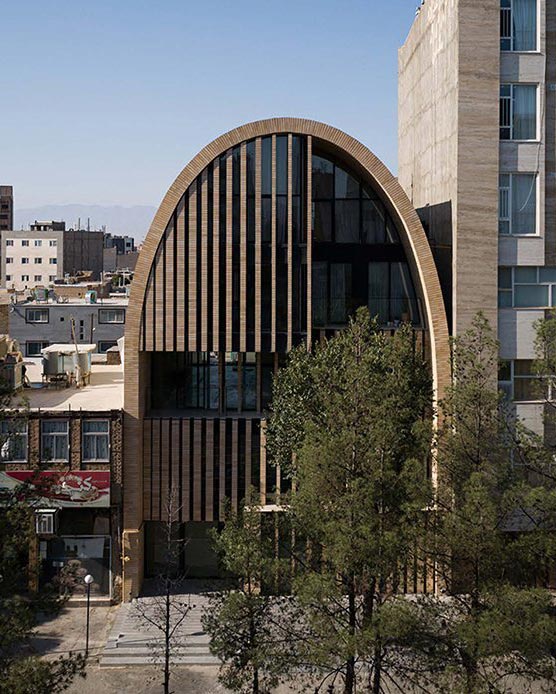
Arc House (Sabzevar, Iran). Architects FMZD (Farshad Mehdizadeh) + MARZ.
To understand the context, you should know that the small Iranian town where the house is built is unremarkable in every way, with almost no developed public spaces. So inside this four-story single-family house, the architects designed as many shared areas as possible, including a terrace, galleries, and a sports area. The focal point of the cohesive design is a vertical corridor that leads all the way to the top.
Kew Residence (Kew, Victoria, Australia). John Wardle Architects.
An addition with large panoramic windows to a house that has already undergone two renovations in 25 years. Most of the work focused on the interior, finished with tiles from Japan.
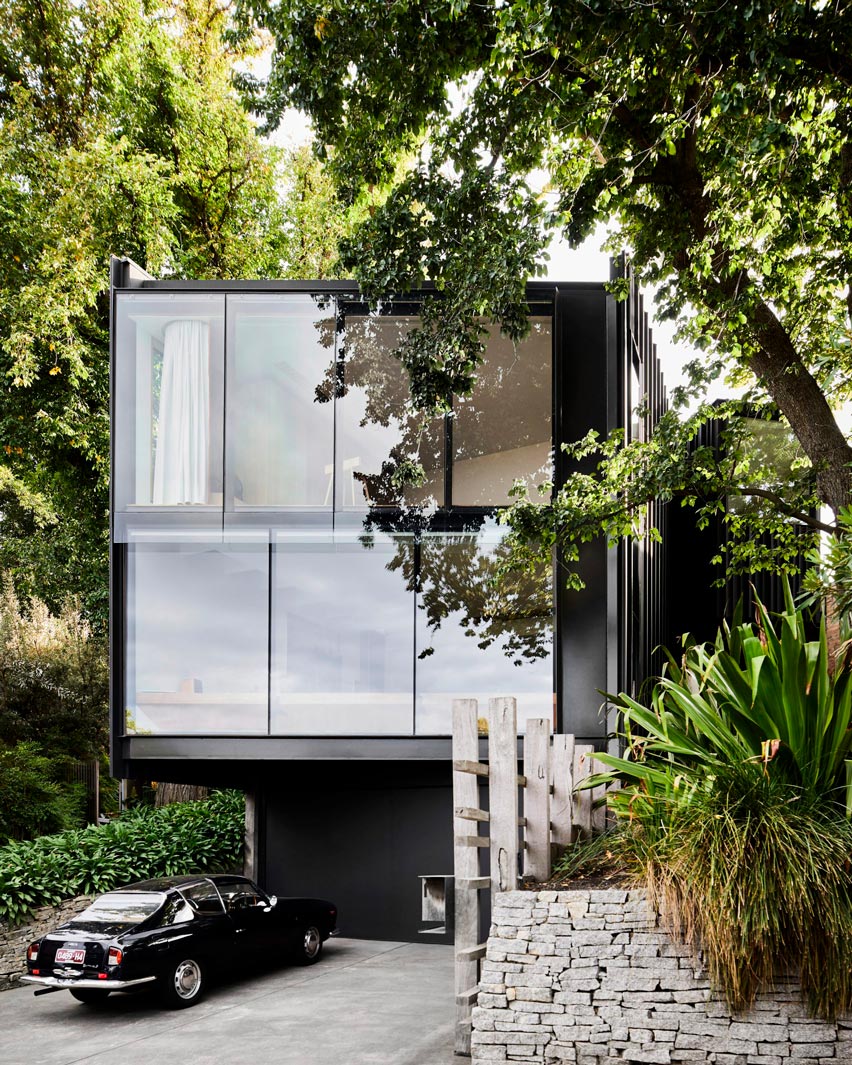
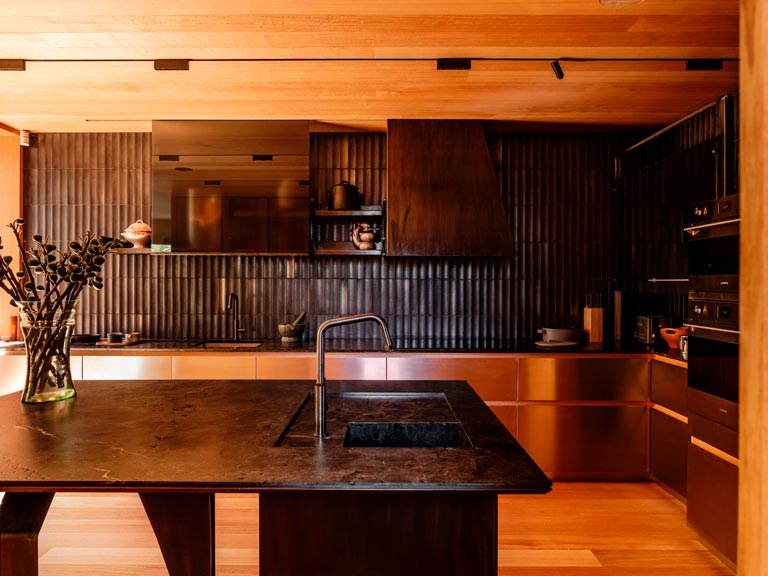
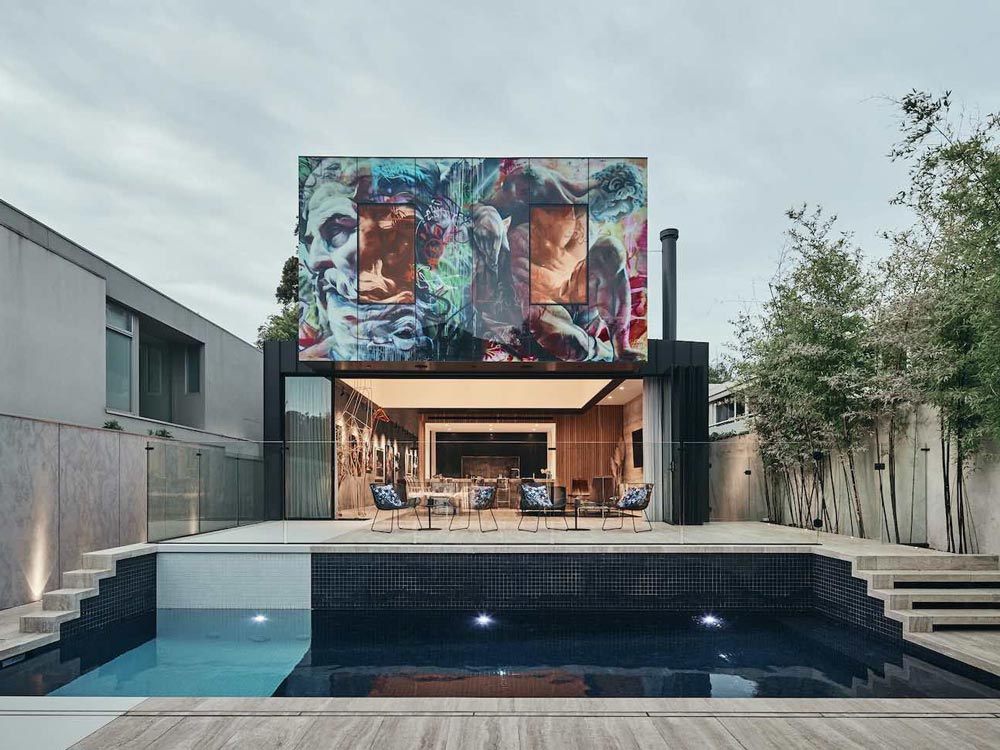
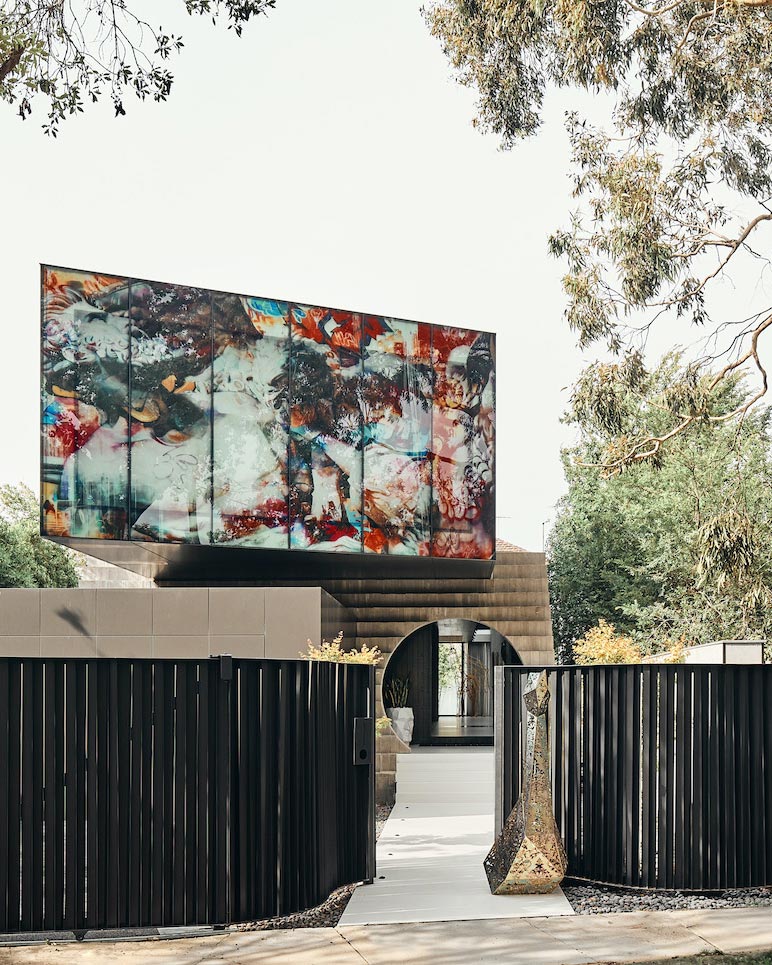
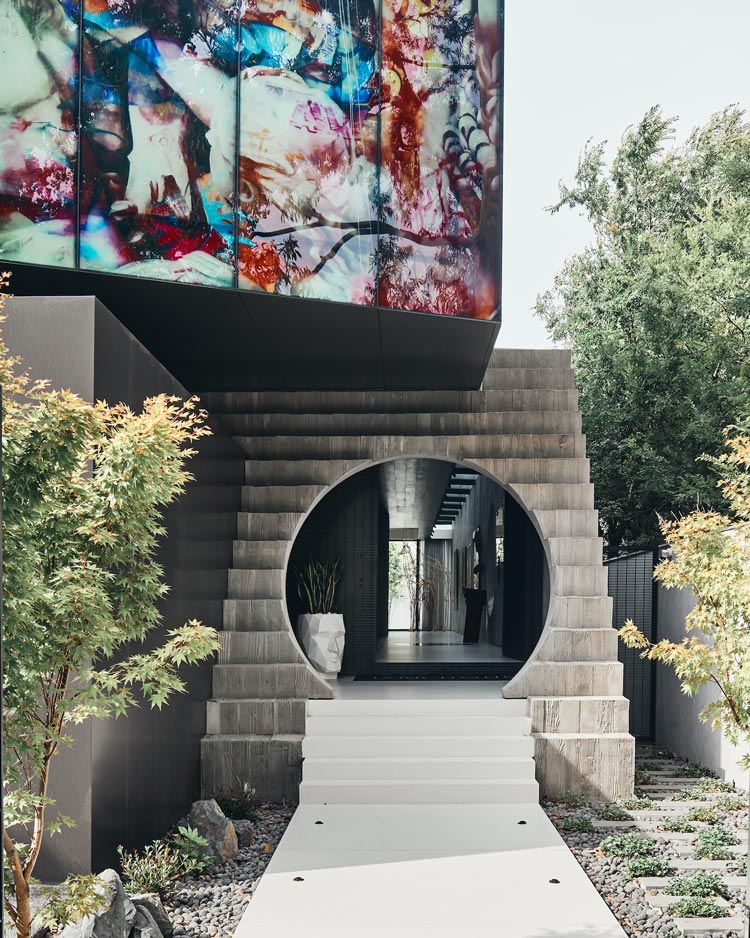
JARtB House (Melbourne, Australia). Architect Kavellaris Urban Design.
Ever wondered what it's like to live in an art gallery? Here's your chance! JARtB House is a work of public art masquerading as a building in a residential neighborhood. The main message — architecture and art cannot be separated!
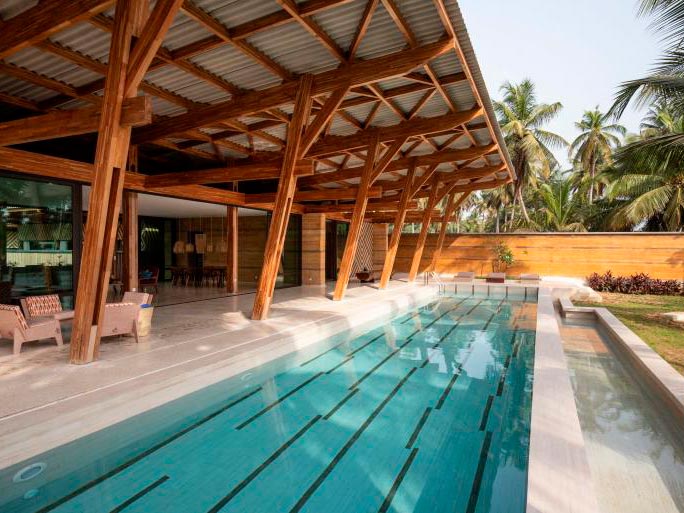
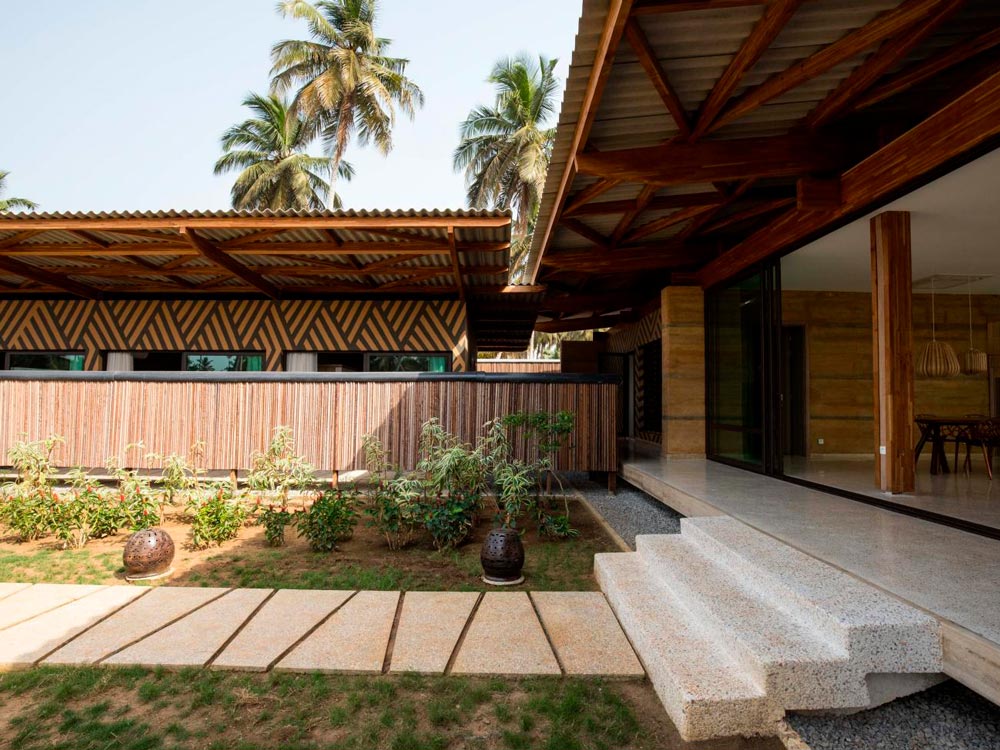
Tere Pavilion (Assinie-Mafia, Ivory Coast). Architect Koffi & Diabaté
The project is interesting for its traditional construction method — namely, rammed-earth walls. Building them up in layers made it possible to use the gradations of pigment in the walls as decoration. A sloping roof of corrugated metal on a wood frame lets air circulate and cool the interior.

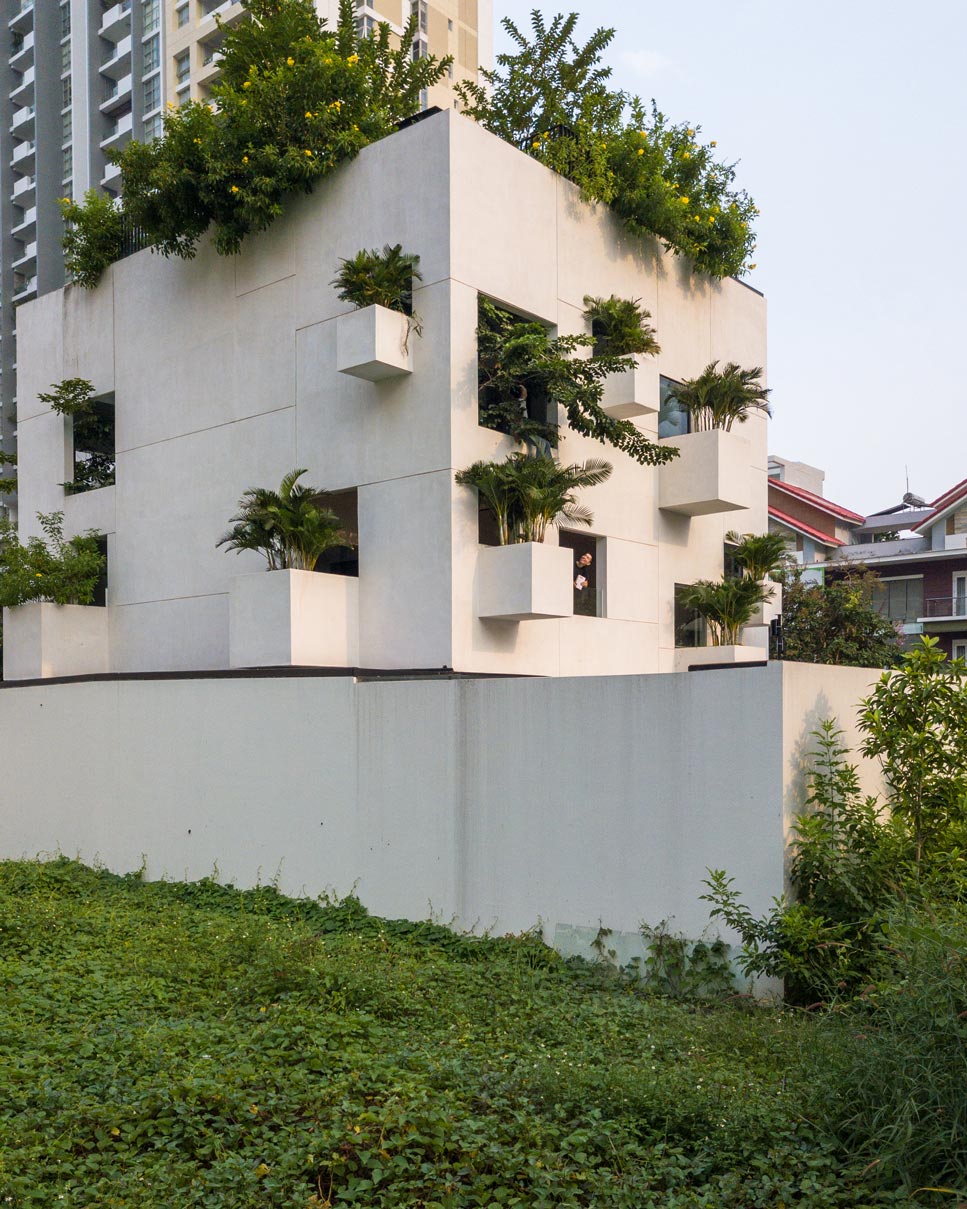
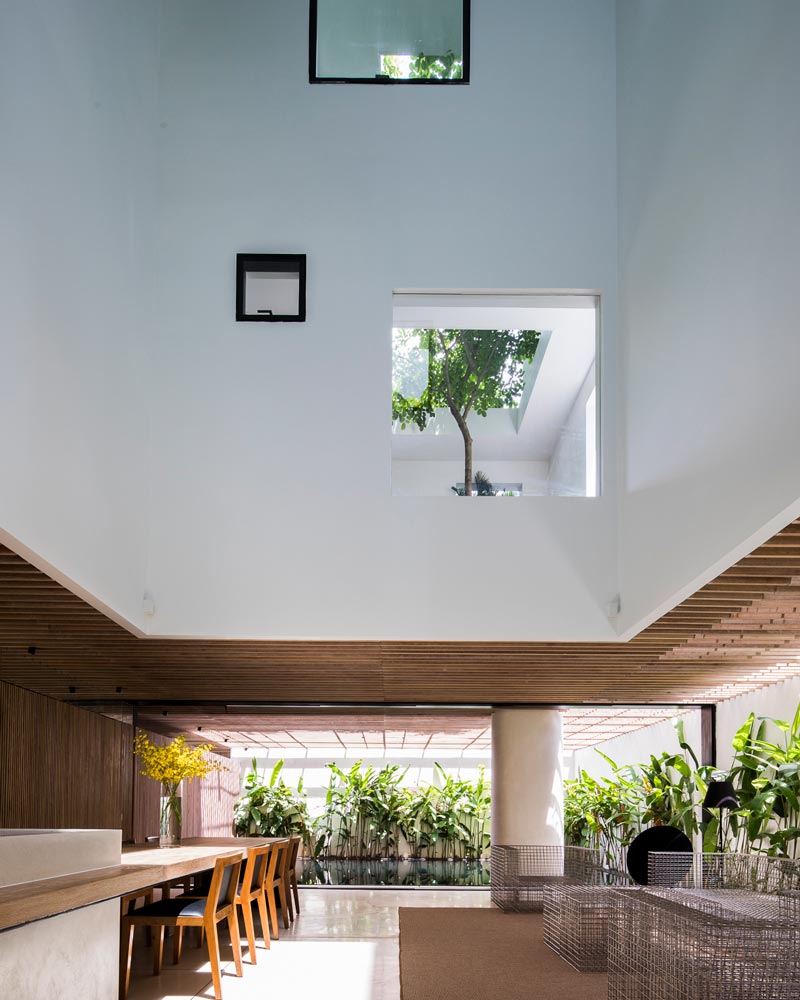
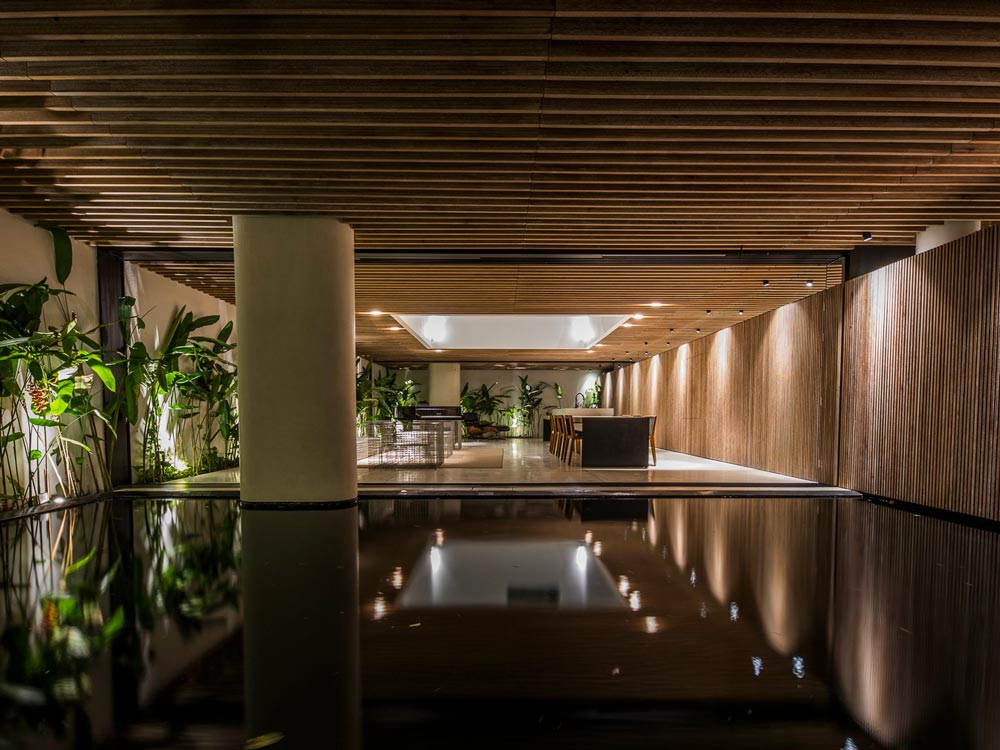
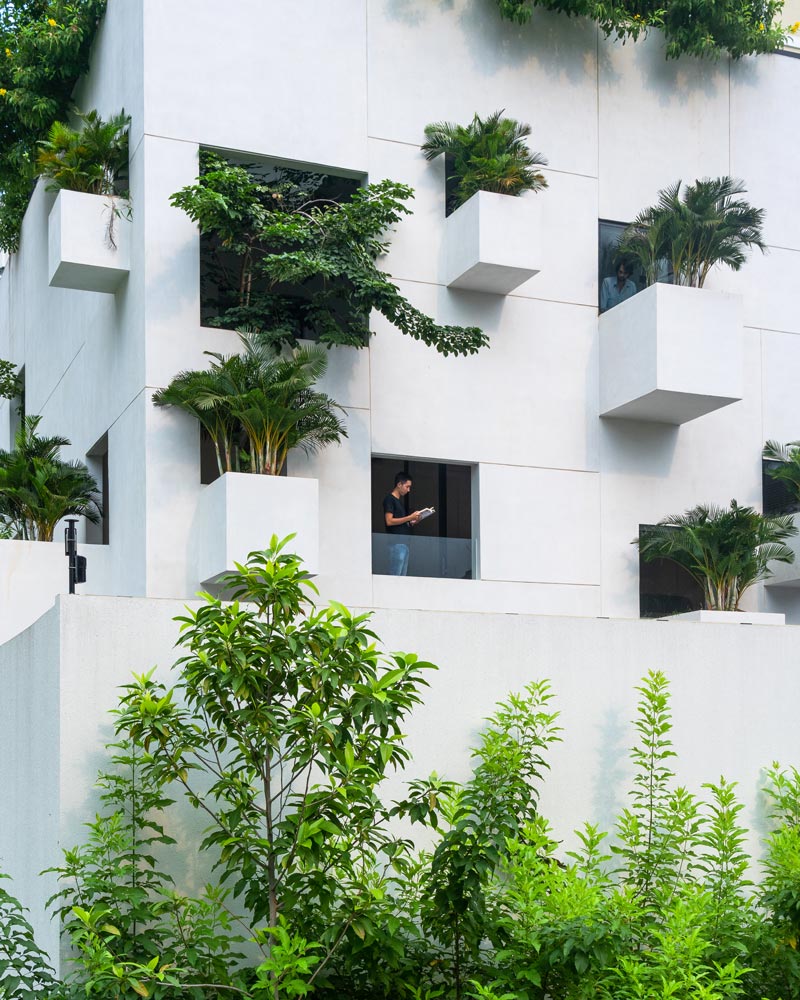
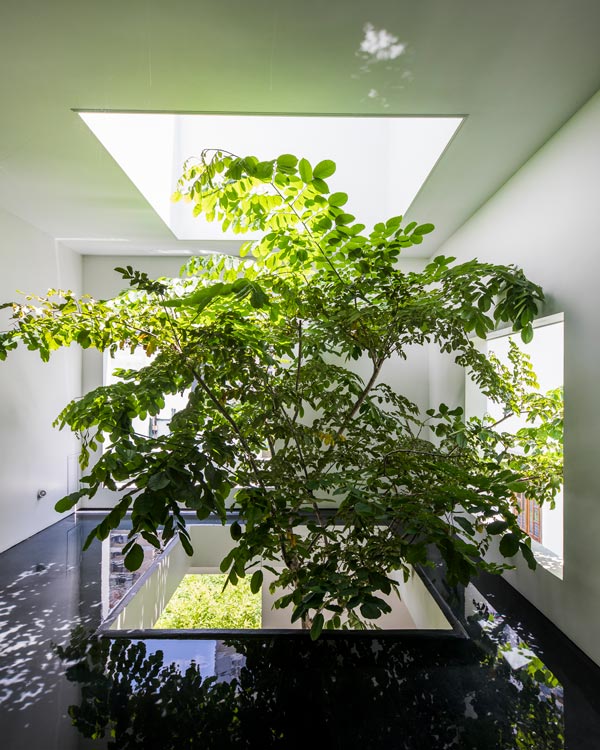
Sky House (Ho Chi Minh City, Vietnam). Architect MIA Design Studio.
Another attempt to connect people and nature in the dusty streets of Saigon. The house is roughly divided in half — one part for the living quarters, the other for plants, water, sunlight, and simple open space.
North Perth House (Perth, Australia). Architect NIC BRUNSDON.
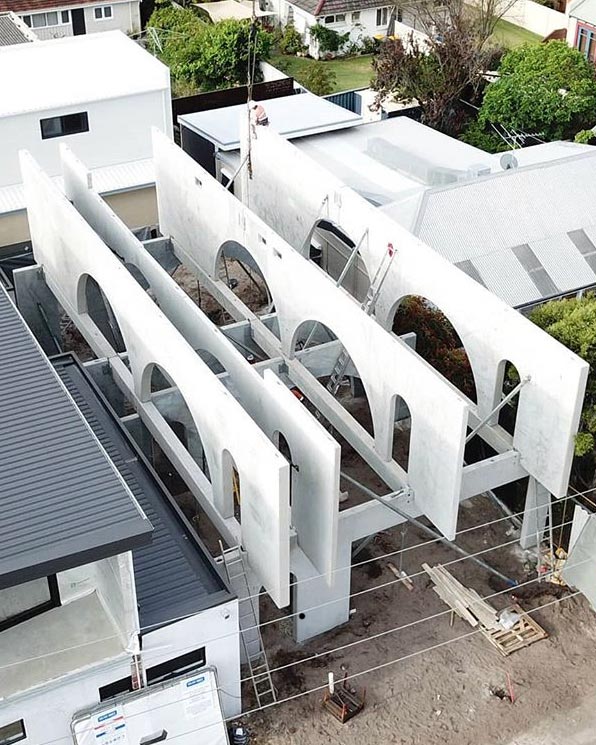
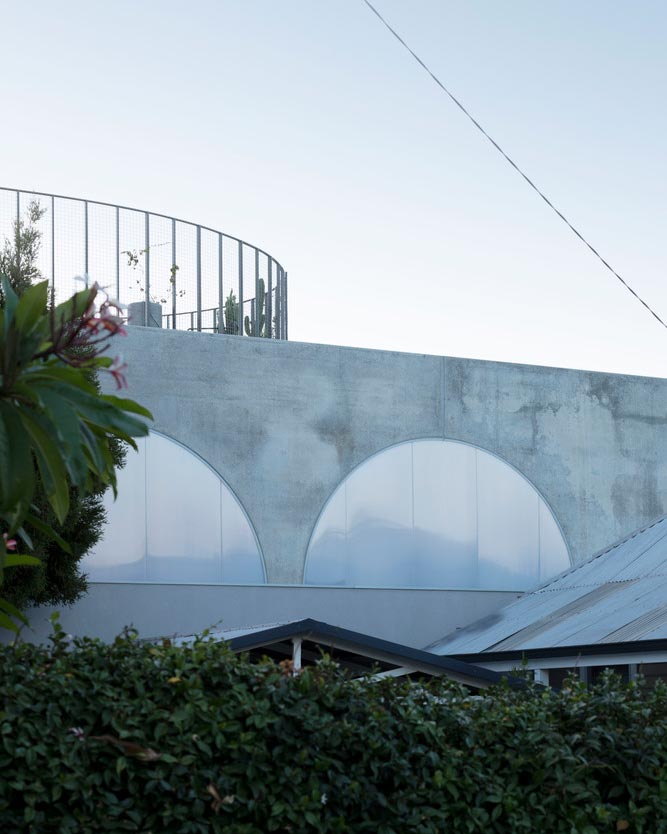
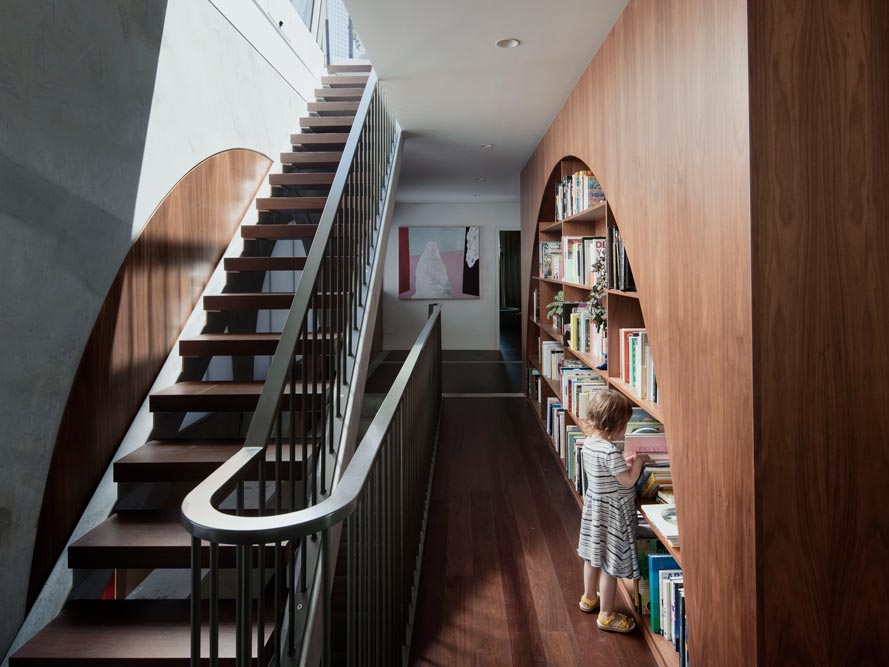
A house on a difficult site with limited access and a limited budget. Its big selling point is the use of identical concrete panels with arched openings. Where an opening isn't needed, it is filled with a wooden insert or translucent polycarbonate. Nothing else was used in the finish beyond these three materials: concrete, wood, and polycarbonate.
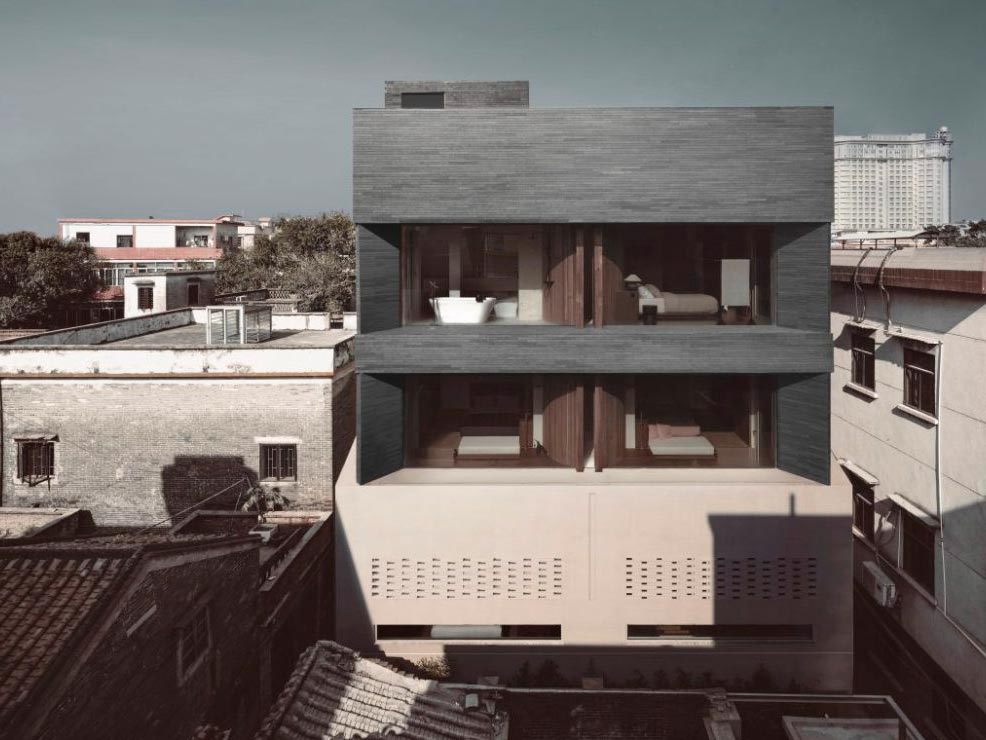
The Home for Martial Arts (Foshan, China). PONE Architecture.
A spare, restrained restoration of an old house for the next generation of the family — a contemporary language woven into the annals of architecture.
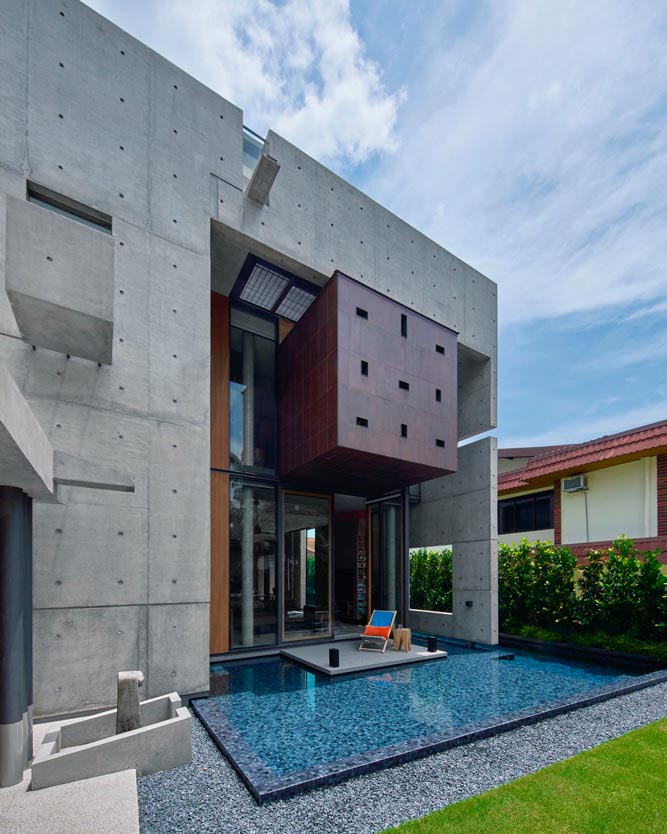
Spice Terraces (Singapore). RT+Q Architects.
Architect René Tan's own home was a testing ground for experiments and new ideas, since there was no need to accommodate a client — often one with conservative tastes. It became known as the «House of Spices» because of the various herbs grown on the terrace and in different corners of the house, though René himself calls it the «House of Rejects» — ideas turned down by clients on other projects were finally realized here.
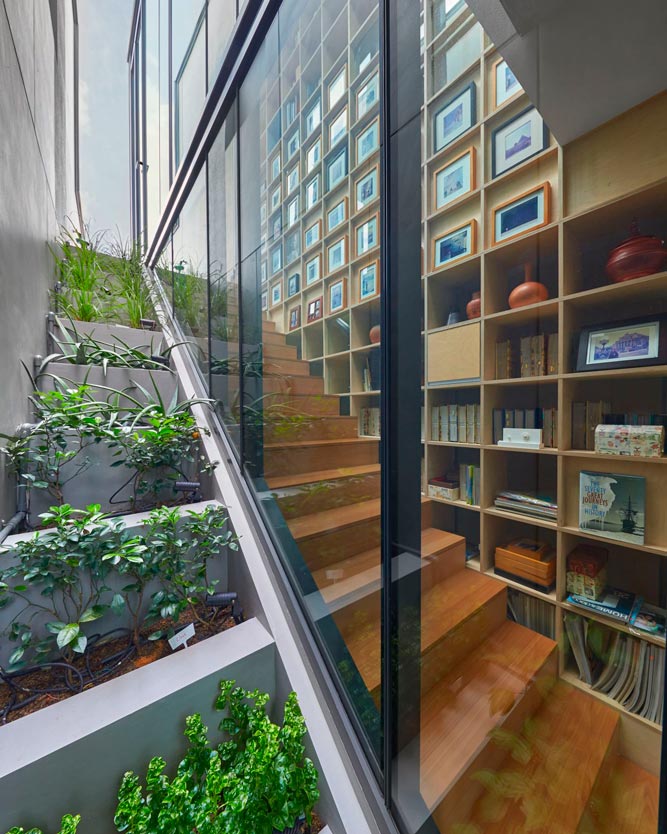
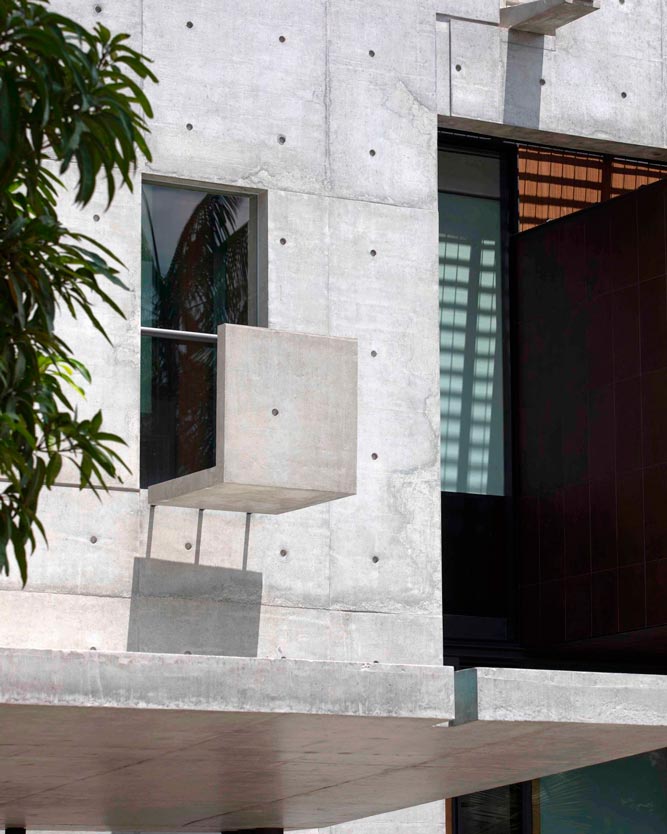
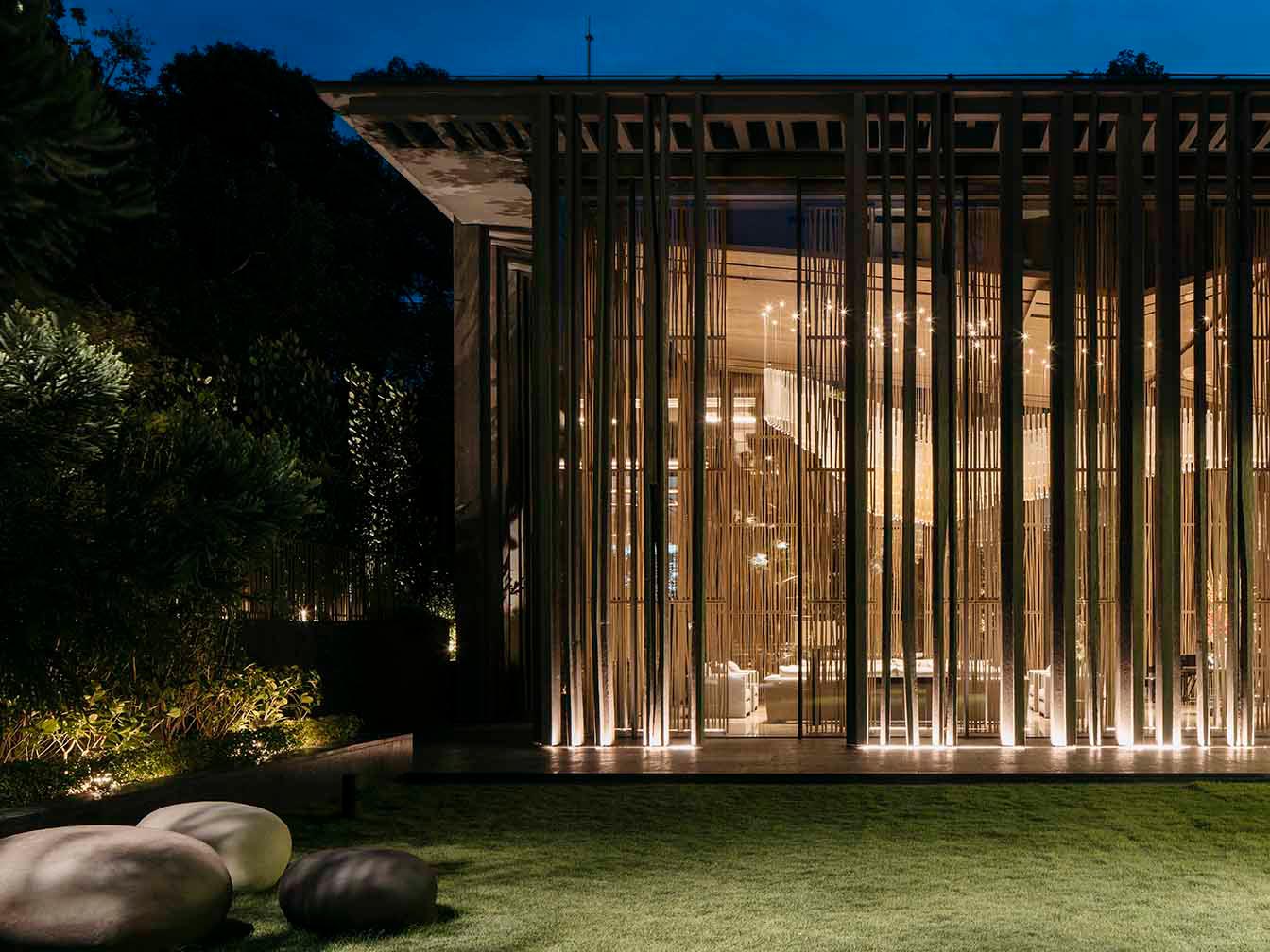
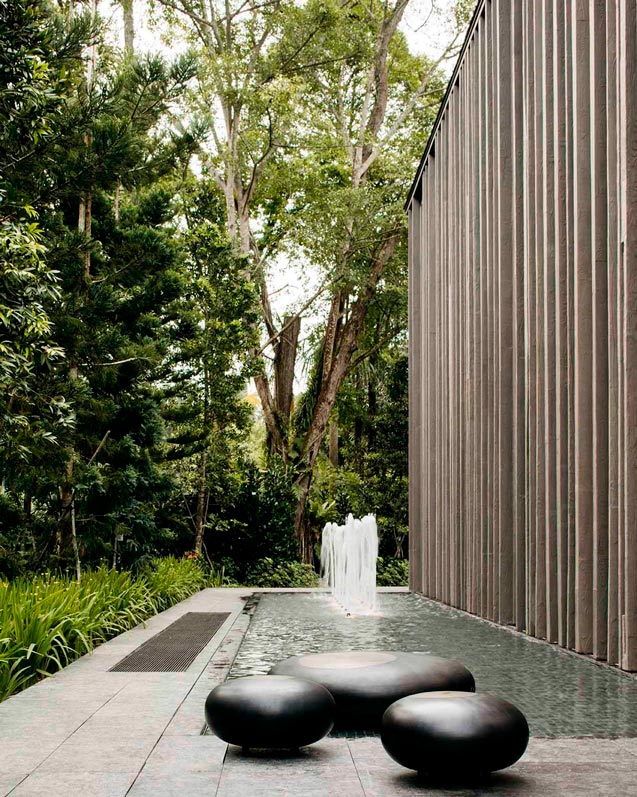
Nassim House (Singapore). Architect StudioMIlou singapore.
Two houses on a hill, connected by a pedestrian zone and vertical colonnades that resemble a dense forest. The houses themselves are strictly geometric, yet perfectly integrated into the landscape. Their entrances are inconspicuous because they are reached underground, which heightens the sense of being lost among the vines.
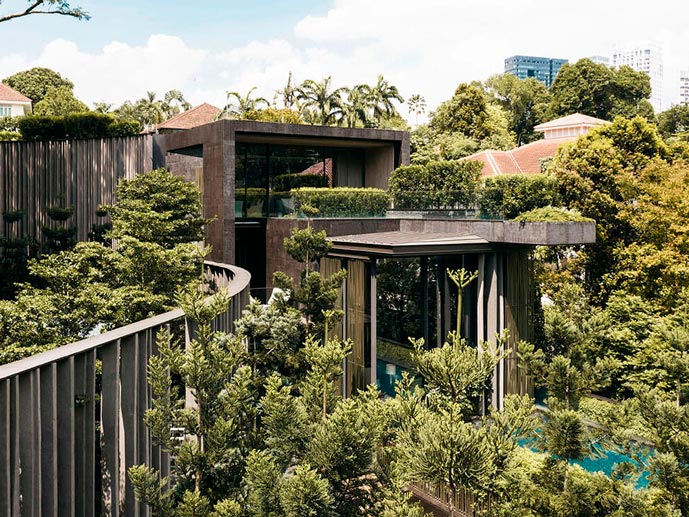
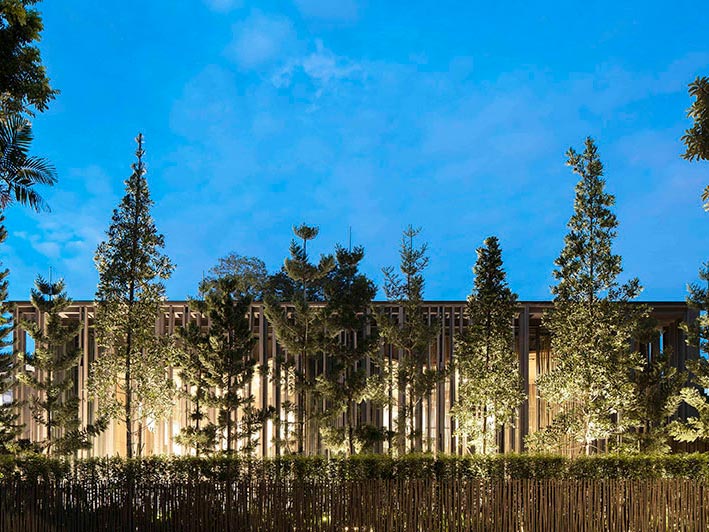
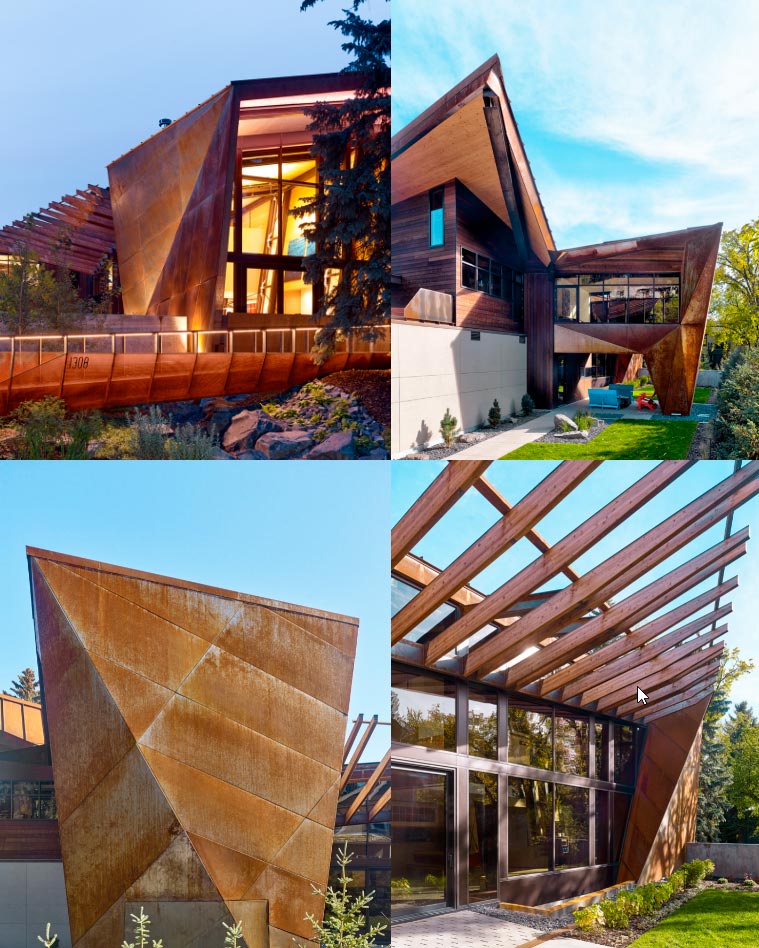
Montreal House (Calgary, Canada). Architect Sturgess Architecture (_SA).
A two-story house, memorable for its massing and choice of materials. The Cor-Ten steel supporting frame and the large overhang of the wooden canopy lean forward, defying the laws of gravity.
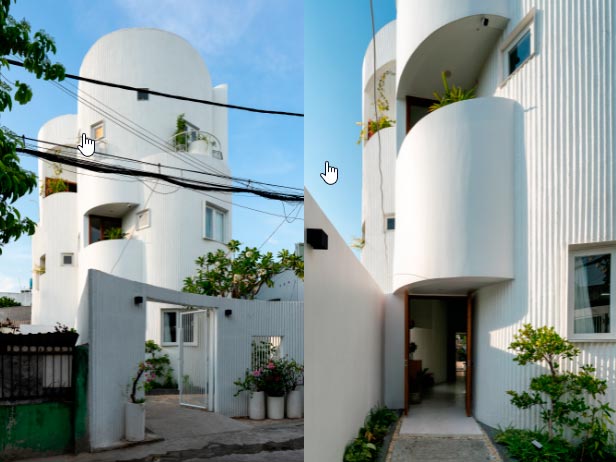
Round house (Ho Chi Minh, Vietnam). Architect Tho.A atelier.
This house was built on a small 80 square meter lot using 3D technology. The spiral, curving motif evokes growth and the gradual succession of generations. According to the architect, he was inspired by the image of a «grandfather playing music for his grandchildren in the old house».
WAF (World Architecture Festival) — is one of the largest and most significant international architecture events. It has been running since 2008, and every year 500 to 800 projects compete across 33 categories.