Why People Invest in Facade Design
Over 13 years, we have created 800 private facade projects for 760 clients. Let's take a look at why people commission facade design, and who we don't recommend it for.
Clients come to us in one of three situations:
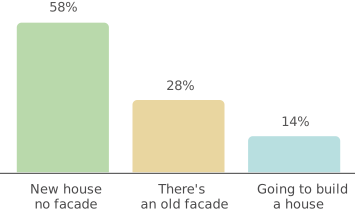
- They have already built a house - the walls, roof, and windows are up, but what comes next? (58% of our clients)
- They have an older, finished house, but they're not happy with it (28%)
- They're only just about to build - they have house plans, but they want to improve the facade (14%)
An architectural design includes no facade detailing
When there is an architectural project, at best it lists some of the wall layers. Often clients have no project at all.
A modern facade is multilayered, and its performance depends on how well every step in the assembly is carried out - from the joints and fasteners to the choice of base mixes and accessories. Beyond the walls, there are openings, landings, steps, the plinth, gutters, fences, the chimney, shutters, roof overhangs, lighting, decorative elements, the terrace, and the carport. The list can be long. Rather than a facade project, it's more accurate to call it an "exterior project."
Clients don't have information about finishing technology, and builders working without a project make mistakes in the execution details.
Surveying a home before renovating or finishing
When you commission a facade design, the house is surveyed. This step is valuable in itself - an experienced facade designer's eye spots flaws the builders missed, flaws that need to be corrected or accounted for in the finishes.
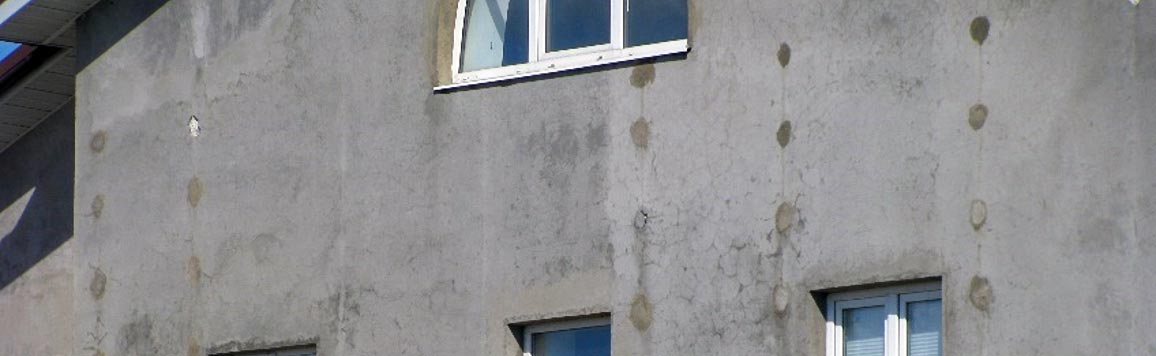
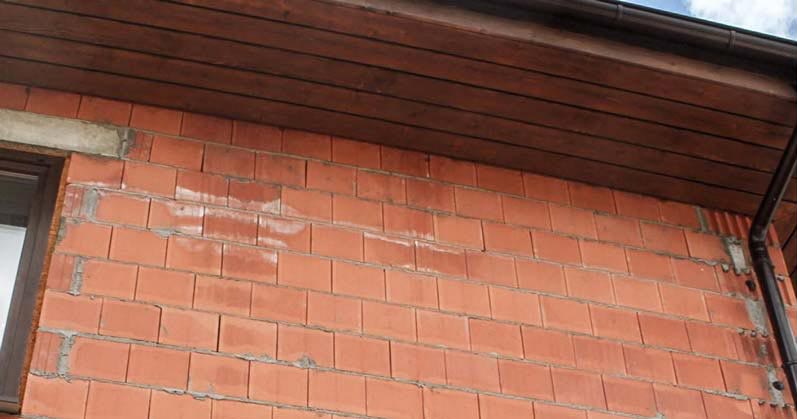
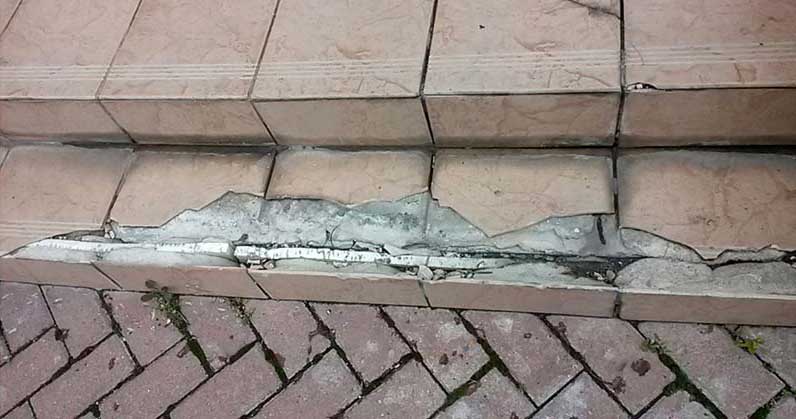
If the finish has cracked, if the tiles have come loose, or if there's mold on the rafters, the engineer can tell you why. Usually it's a design flaw rather than simply "bad plaster" or "weak glue." Sometimes the walls have only just gone up, and the problems have already appeared.
It's important for clients to identify weak points and put measures in place so the finish lasts a long time.
Making it beautiful by reviewing the options
It all starts with people who want beauty. That beauty has to be created for a specific home, to suit the taste and dreams of the client's family. Clearly there's no off-the-shelf solution for this, because style is born from the proportions and ratios unique to each structure. In our experience, the basic shells of houses aren't very harmonious, so they especially need a transformative "wardrobe."
A facade architect naturally accumulates far more facade knowledge and experience than an architect who designs the layout of the house. Working with a thorough understanding of the market for facade technologies and materials, the facade architect can put together an optimal bill of materials.
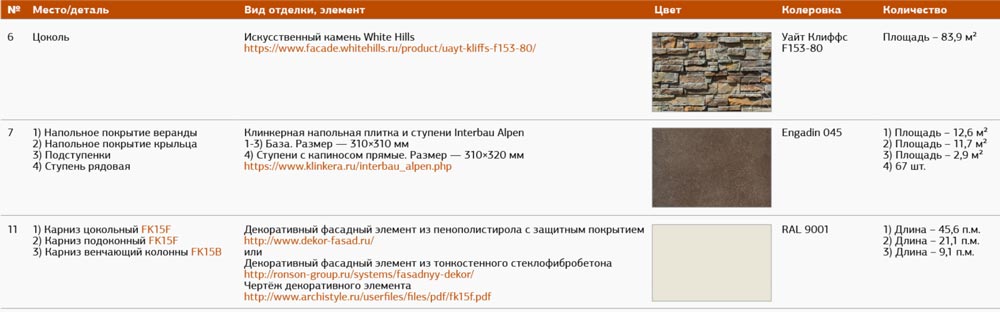
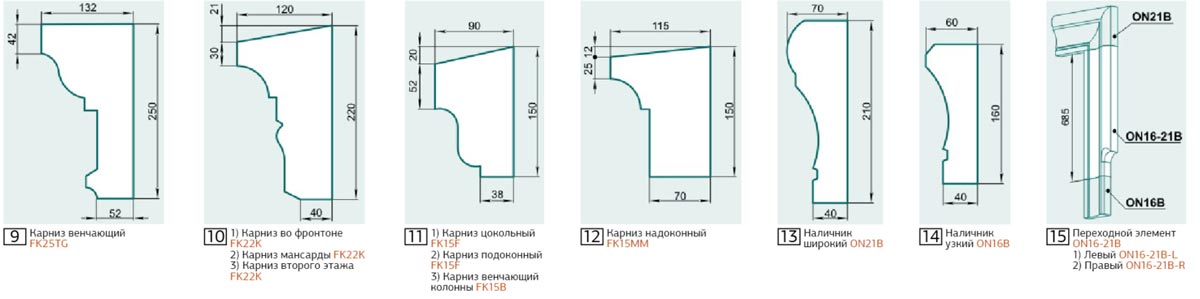
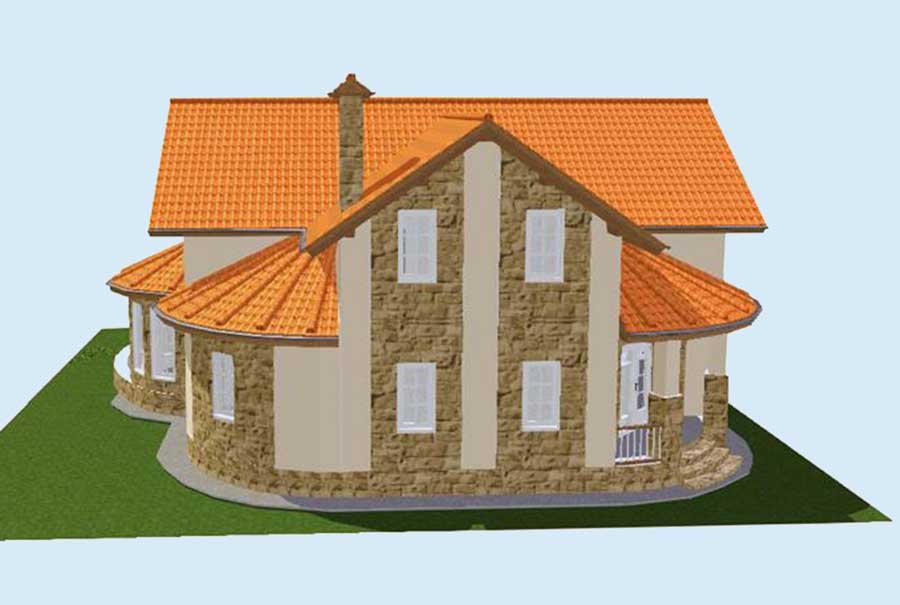
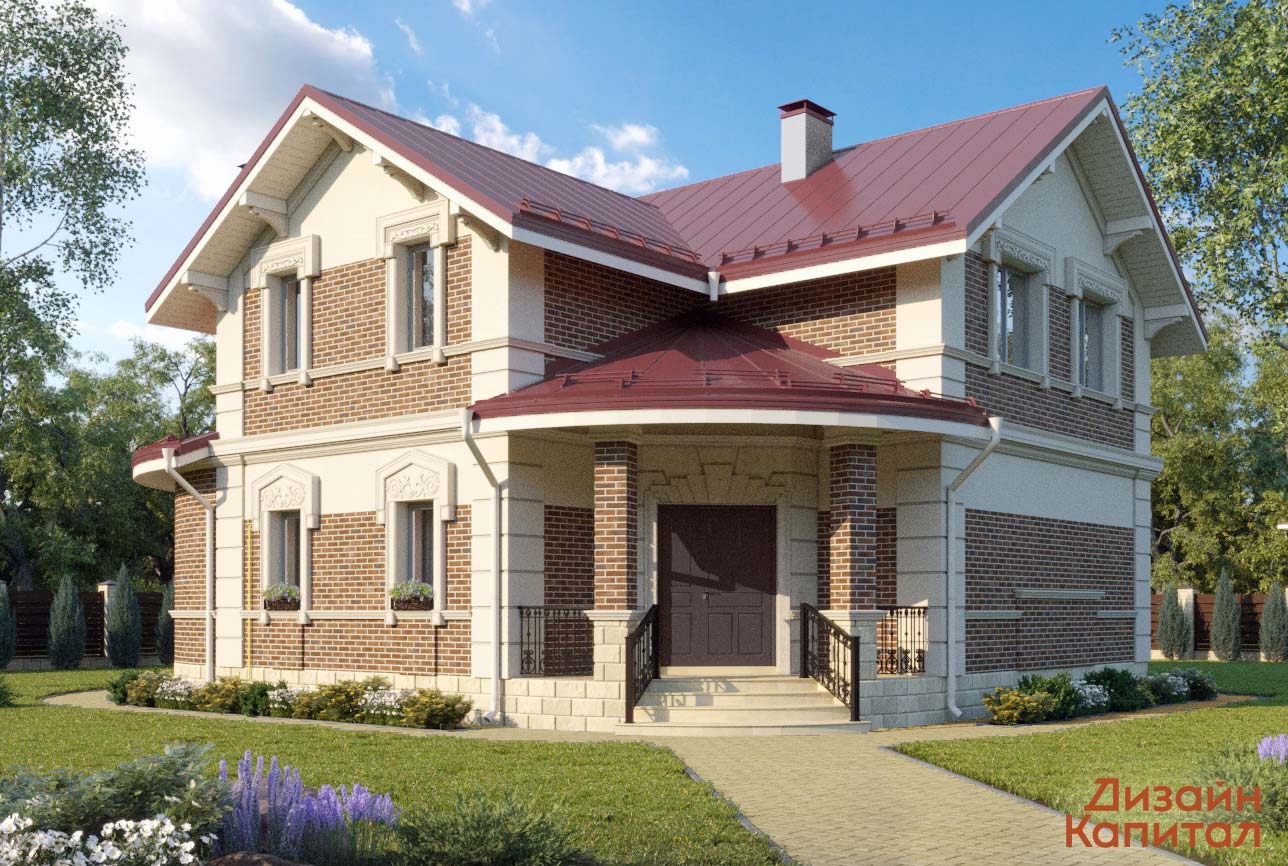
In the design field, unlike the architecture and construction field, it's standard practice to create a realistic rendering. That means showing not just the 3D shape of the house but also calculating how the finish looks in natural light. Everyone sees the finish close to how it will really appear, and chooses with less risk - unlike approaches where the image is three-dimensional but only schematic.
Avoiding builder mistakes
A facade that stays reliable for 30 to 40 years is the second thing clients want, right after a presentable appearance. That's why a good facade design rests not only on the styling decisions but also on engineering expertise.
Exterior finishes demand more than interior finishes - a heavy facade is subject to gravity, corrosion, heating and freezing, solar radiation, and the biological environment. Even a light wind sets up vibration and works the fasteners loose in the walls.
There's a kind of reliability that comes "from guesswork." A stronger tile adhesive is chosen and spread thicker "for reliability," but it pulls away from the base as it shrinks. A flexible reinforcing mesh is set into the plinth, then rusts in the alkaline environment and comes away along with the entire cladding.
A practicing facade engineer understands facade construction better than a site foreman. First, they're immersed in every kind of documentation: they know the limitations and weaknesses of the substrates, materials, and installation methods. Second, they see firsthand at construction sites where the workers' knowledge falls short, and they observe how facades behave when investigating problem projects.
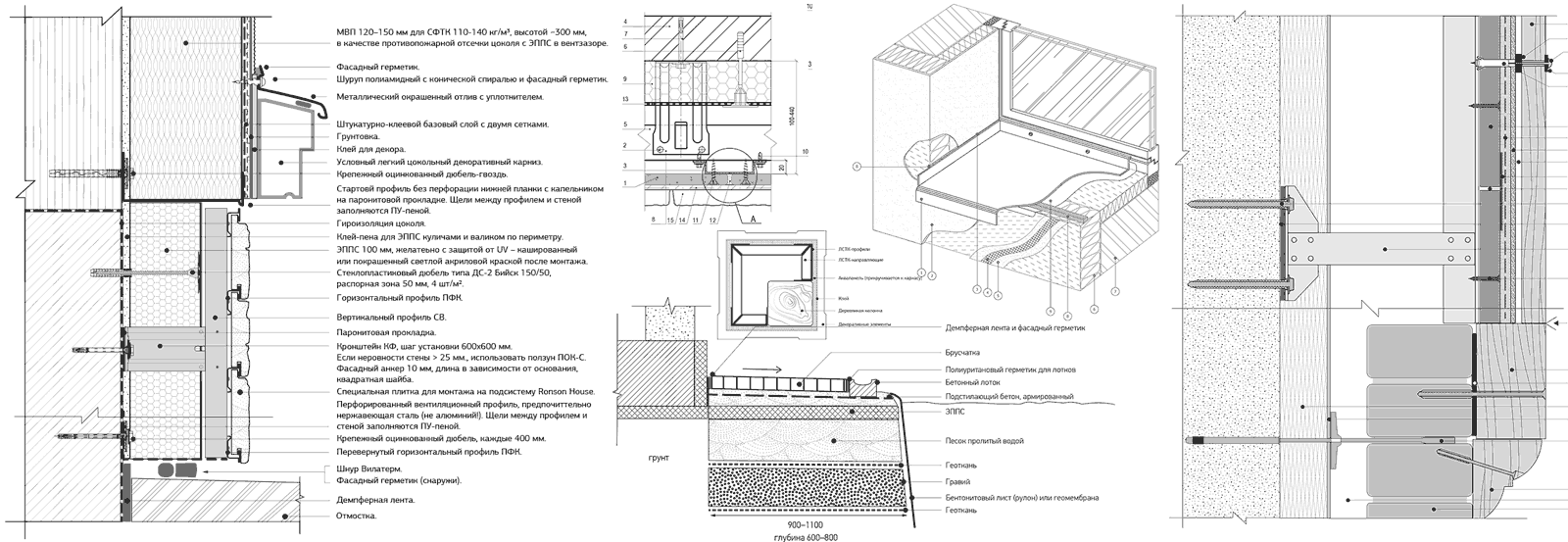
A facade doesn't forgive mistakes, because it has to "run" a very long distance. Only project-specific details can account for the conditions of a particular house and a particular finish - even when, at their core, those details have been tested by government institutions and set down in manufacturers' technical standards.
Overseeing the crew
With a detailed facade project in hand, the owner is ready to oversee the work. A substantive discussion with the foreman and workers becomes possible.
A more advanced option is to delegate that oversight to our construction engineer. Busy clients tend to choose this. Author's engineering and construction supervision should not be confused with the author's supervision common in interior projects. Here we're not talking about an architect overseeing the design, but an engineer overseeing the installation.
Thanks to digital design, facade projects include an accurate calculation of coating and molding areas. This is needed to negotiate with suppliers and to keep the volume and cost of the work under control. Counting all of it by hand is a real headache.
With the project, the owner sees what needs to be done, how, and in what quantity, and bringing in the designers makes that oversight even more professional.
Letting experts select the type and method of finish
Good design helps you choose a finish in a balanced way, taking many factors into account:
- The client's wishes and taste - so the facade is one of a kind.
- Budget - so the cost of materials and labor can be calculated right away.
- Reliability requirements - so the components are chosen to last a lifetime.
- The structure of the building - so the finish suits its vapor permeability, weight, and fasteners.
- Climate region and energy efficiency - so insulation is added, or not, based on the calculations.
- When the house was built - so residual moisture and shrinkage can be compensated for.
Sometimes a facade looks worse as a whole, over a large area, than its individual sections do - this applies to many panel and tile materials.
Cheap load-bearing walls place higher demands on the finish layer. They call for a reliable intermediate substrate and the installation steps that go with it. So the savings hidden in the construction phase tend to push the price of the house back up during finishing. A "expensive" finish material, by contrast, is often cheaper over its service life and doesn't require complex installation.
The real price of a facade
It isn't obvious at first that finishing a facade can be more complicated, take longer, and cost more than building the house itself. It calls for highly skilled workers and for meticulous, repetitive work over a large area. The materials are expensive because they have to survive harsh conditions for many years without losing their looks.
At the outset, it's easy to underestimate the cost several times over. If you take the price of clinker tile, add insulation, and add another third for everything else, you still don't arrive at the real total. And you can't estimate labor at the rate for tile installation, because that single task may account for only 20% of the total bill for the work - there are costs that have nothing to do with the walls at all.
A solid finish is expensive. Exteriors don't cost hundreds of thousands of rubles, but rather millions.
To do it or not
If the finishing project costs just 5 to 7% of the total cost of the exterior, it makes no sense to skip it - without it you'll spend the same money to far less effect, and the result won't be as beautiful or as reliable.
Don't commission a design for an inexpensive finish such as vinyl siding or board cladding. Don't commission a design for a wooden home if all you plan to do is paint it. Designing a piecemeal facade renovation can also be costly. In these cases, go with the builders' ready-made solutions.
For glazed metal structures (such as a conservatory), design may be more worthwhile when handled by specialized manufacturers.