Finalists Announced for ArchDaily's 2021 Building of the Year Awards
From January 26 to February 10, 2021, online voting took place on My ArchDaily. Users chose the best designs among the projects published in 2020 across 15 categories.
Here are the finalists in the «private house» category.
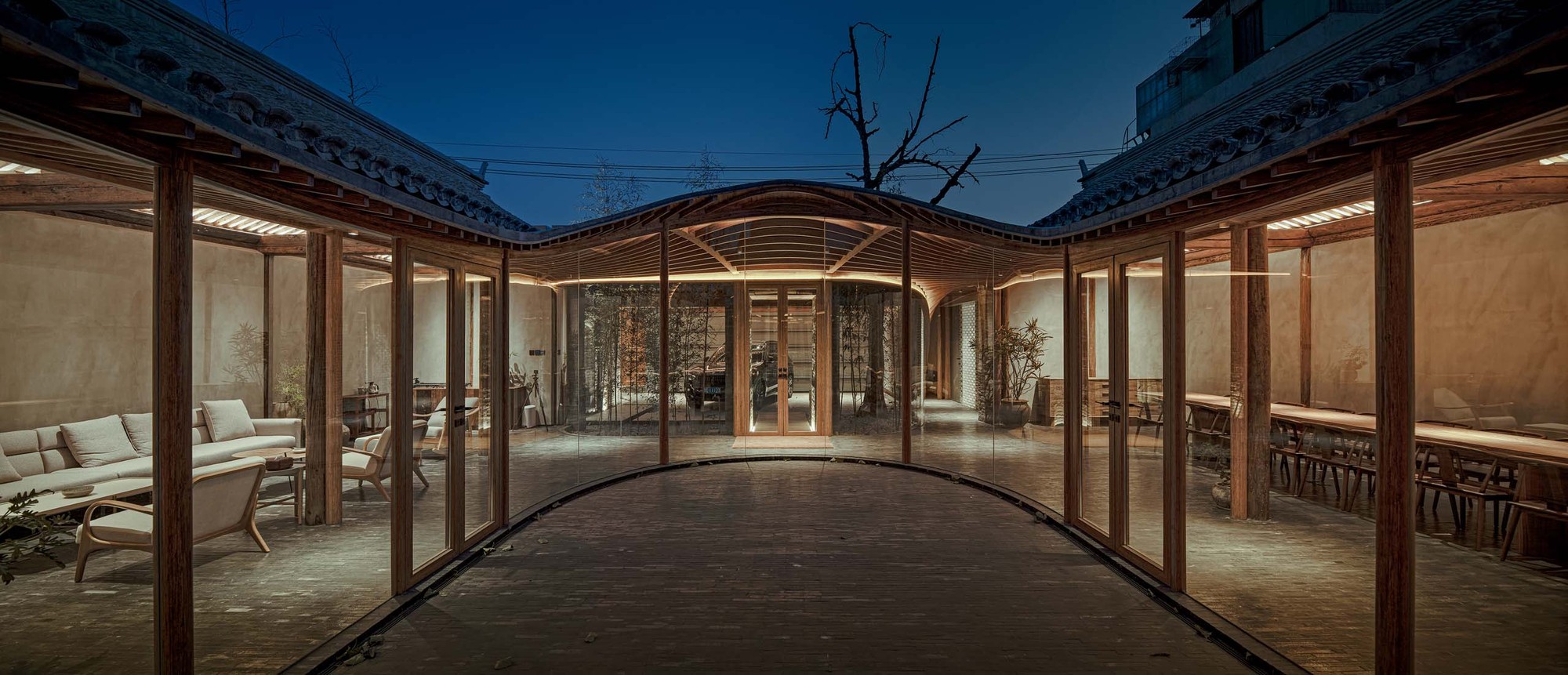
1. Qishe Courtyard, Beijing. ARCHSTUDIO architects
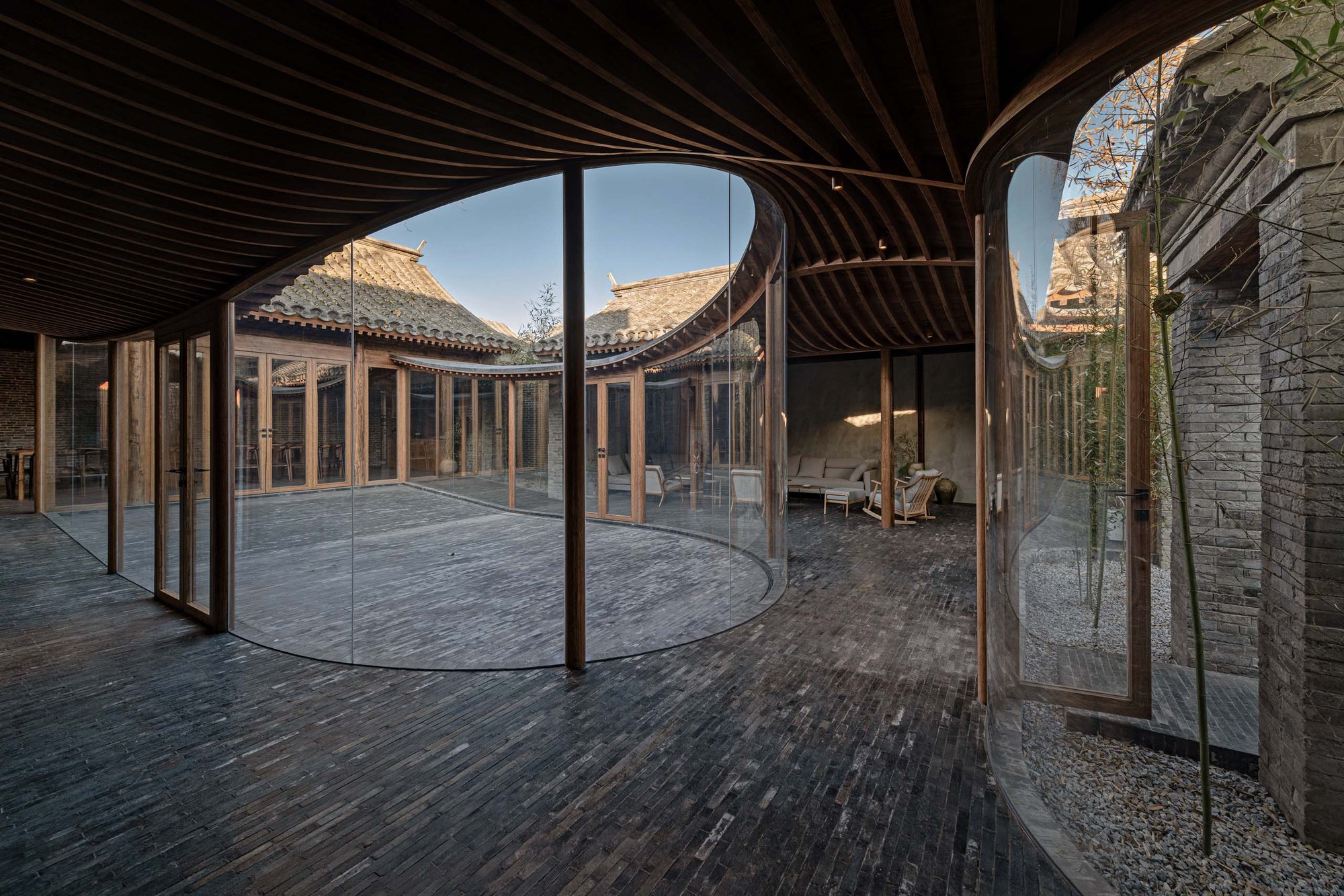
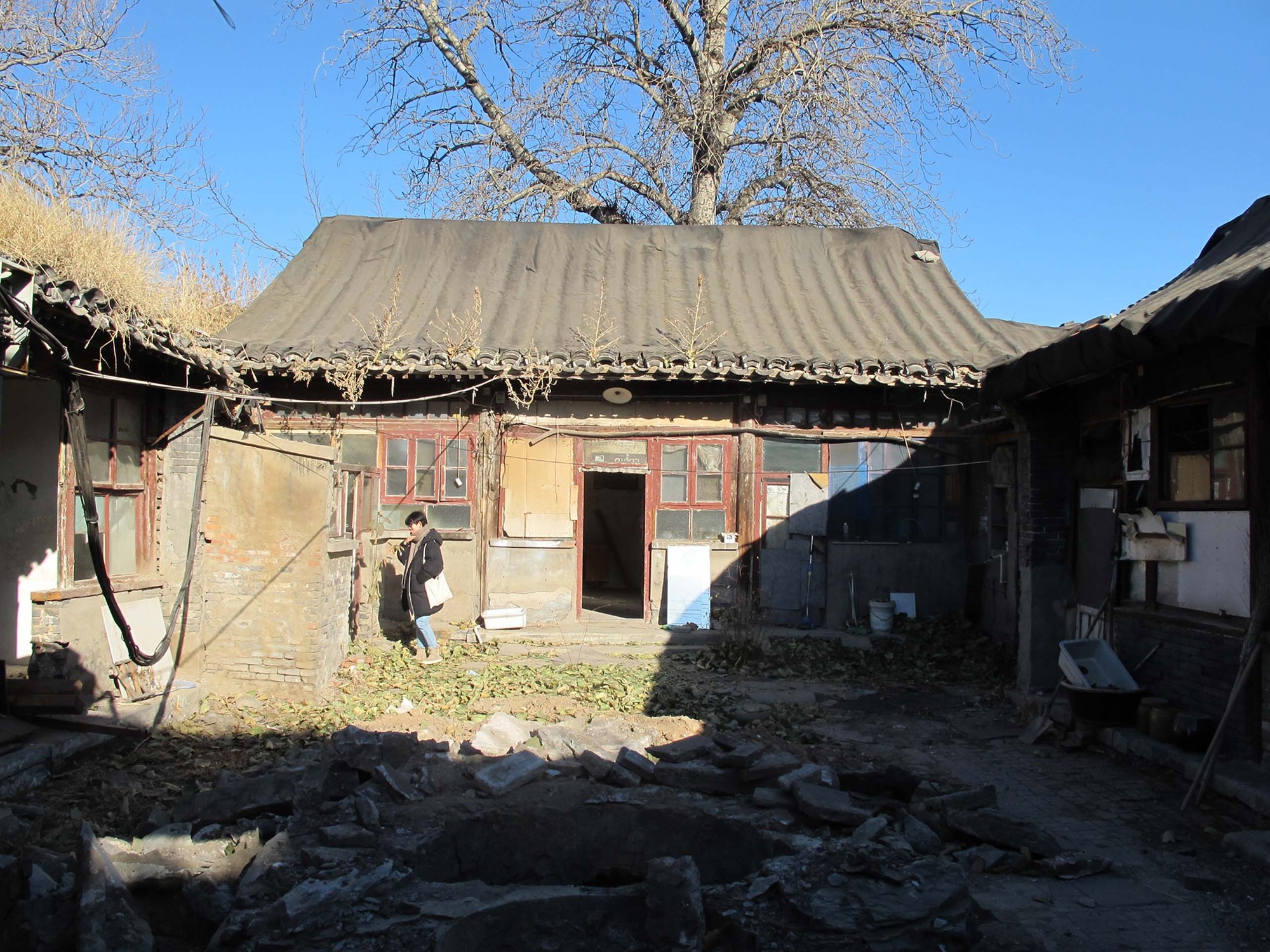
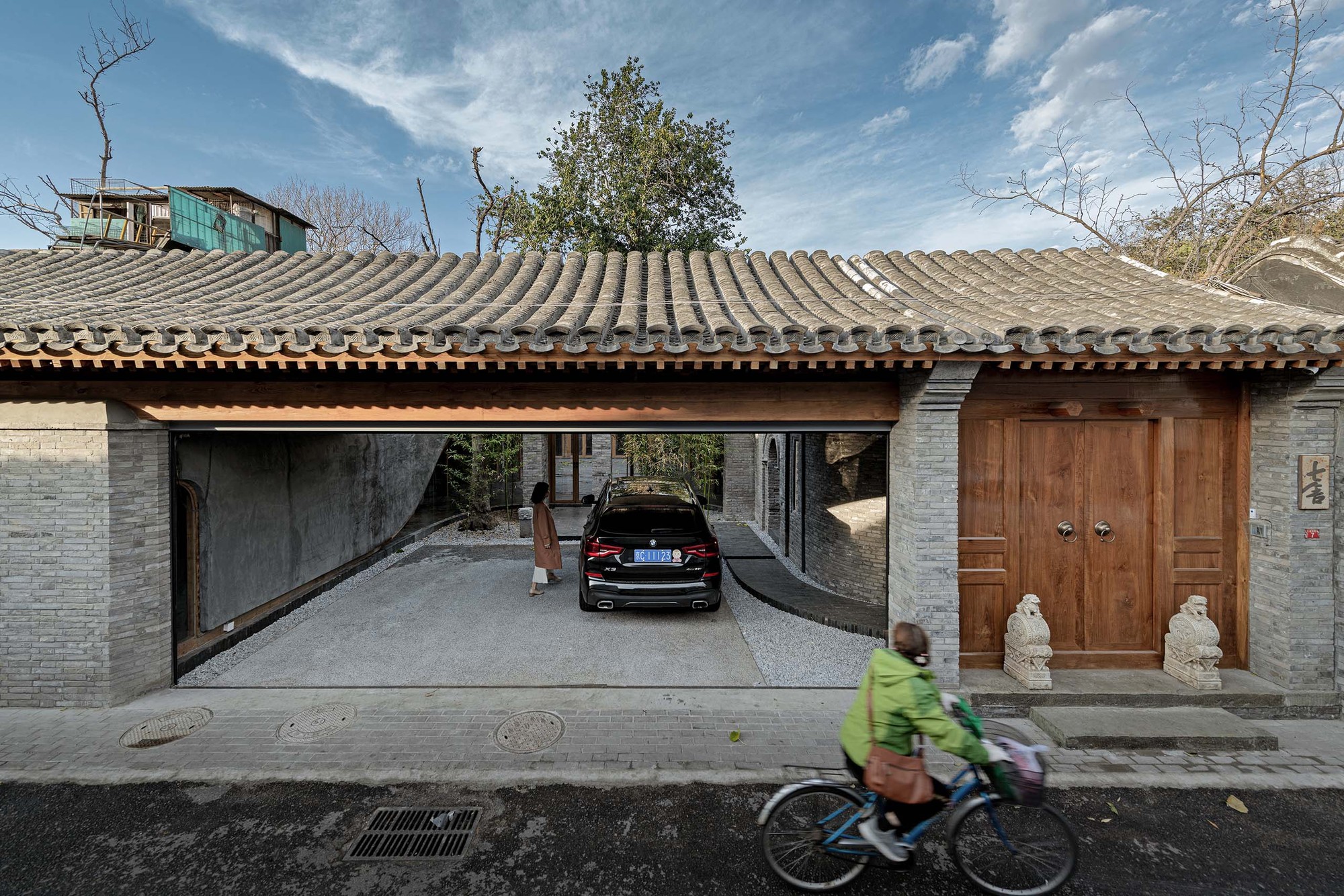
A reconstruction of a traditional Chinese residence with three courtyards. The main challenge — uniting the old and the new into a single whole. The original pine frame was preserved, repaired, and reinforced while keeping its traditional look. Many elements, including the woodcarvings, were restored. New rooms and amenities were also added: a bathroom, a kitchen, a garage, a porch, and plumbing.
(Upd. 02/18/2021: this project won the competition.)
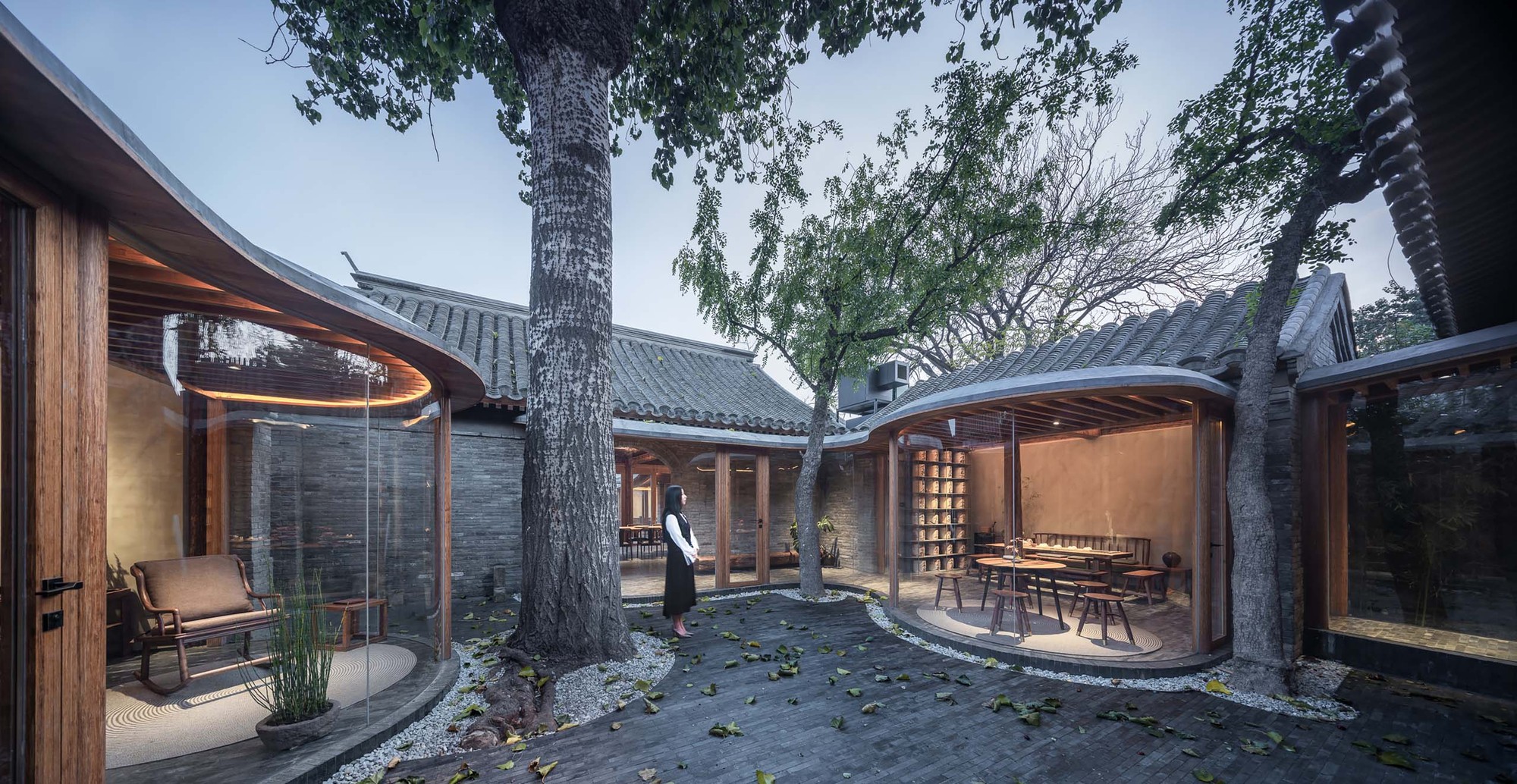
The new veranda, doors, and windows use laminated bamboo panels (a new material that looks like wood and feels like steel), echoing the old pine.
The roofing system uses waterproofing materials with good thermal insulation, preserving the original gray tile roofs. The curved roof of the new porch is finished in a smooth polymer mortar. The building's walls were restored by reusing gray brick salvaged from demolished structures in the courtyards.
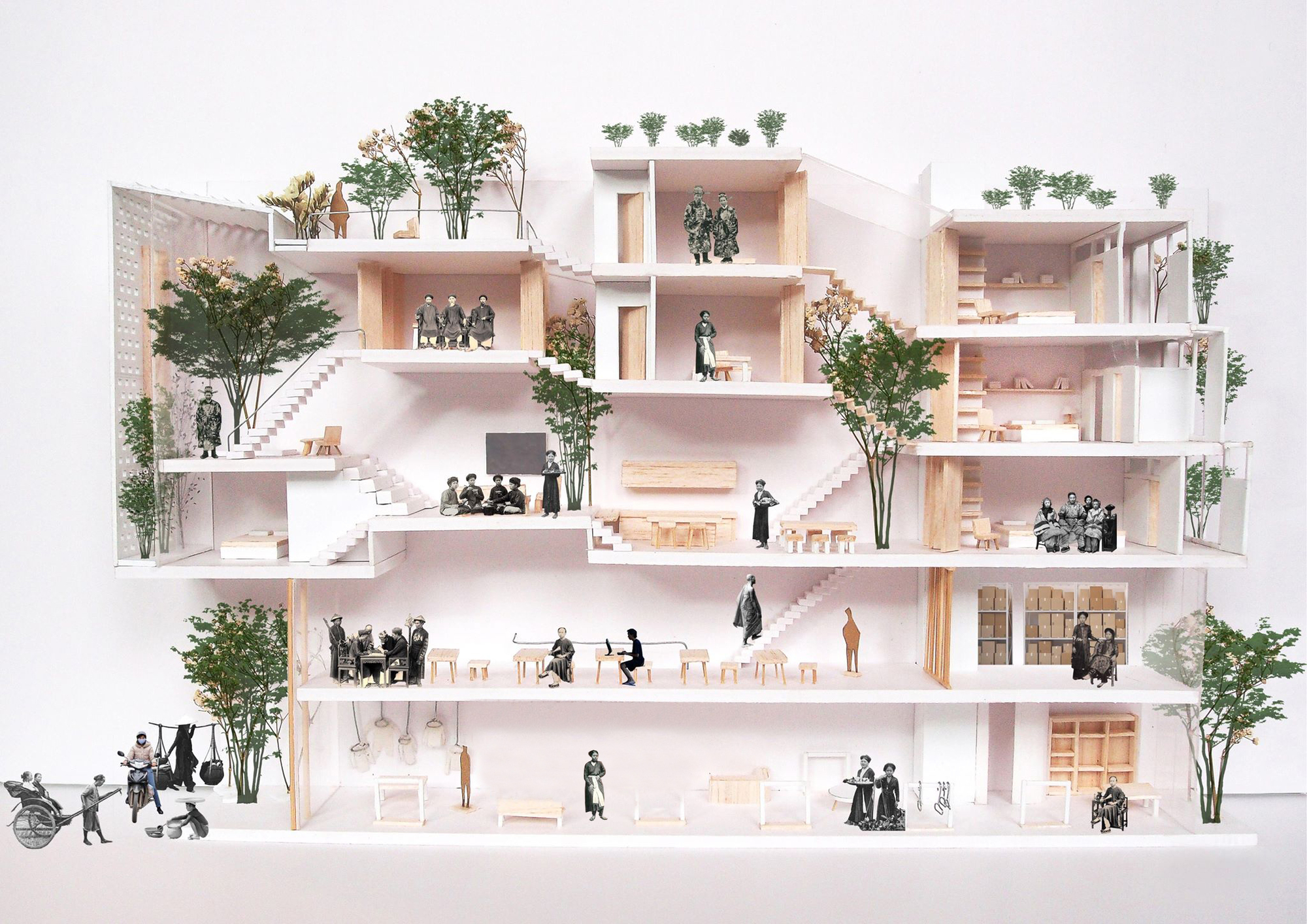
2. CH House, Hanoi. ODDO architects
A home for three generations of one family, and an attempt to create an island of tranquility amid the noisy chaos of the city. The lot on which the house sits — is elongated and tube-like, 4.2 m by 35 m.
The shape of the plot the house stands on.
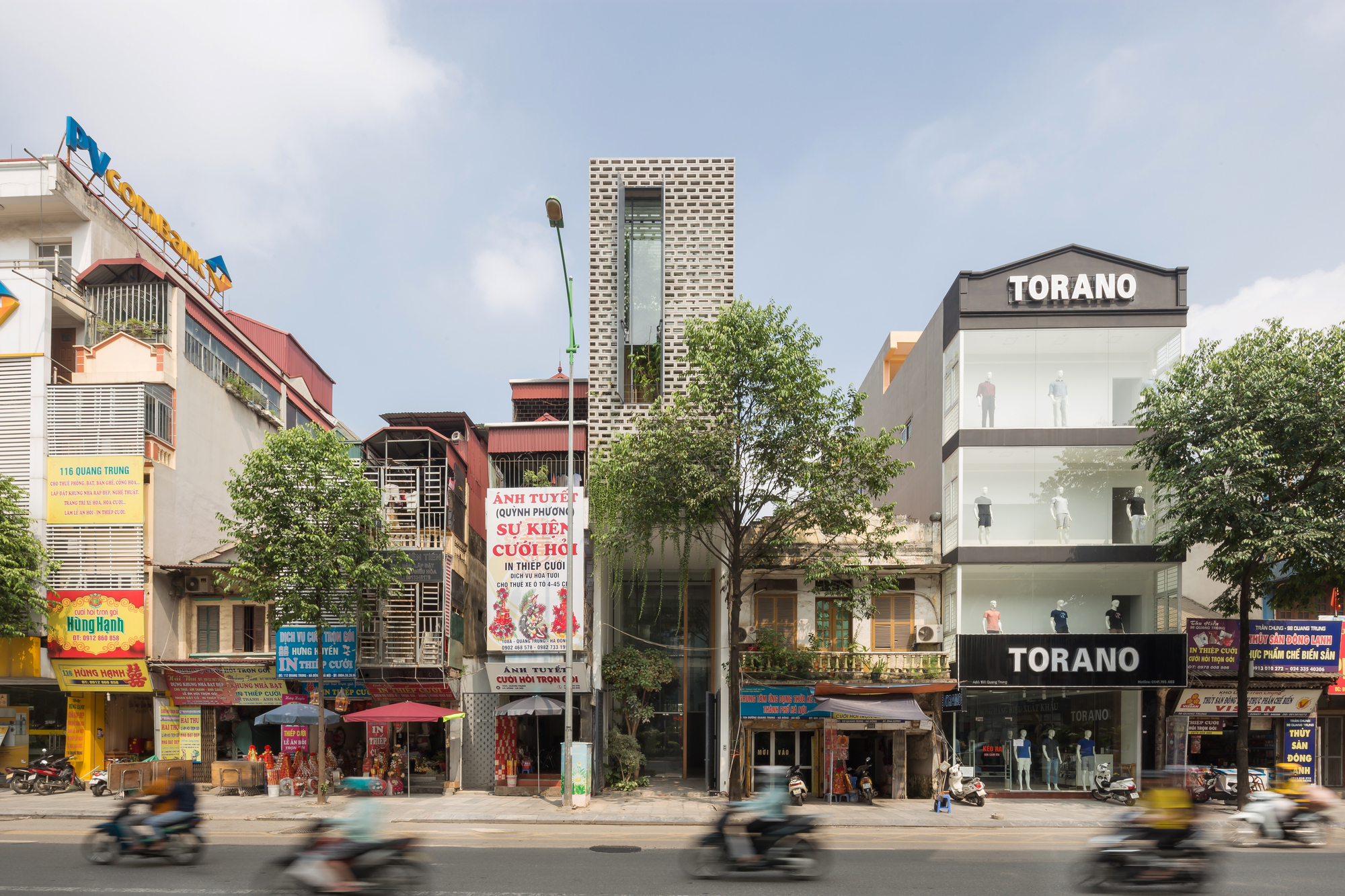
The house has a double façade. The outer layer — perforated cement blocks, and the inner — a glazed steel frame. The double-layer facade shields the interior from sun and dust and provides natural ventilation. Large windows on the upper floors let in even more light and accent the facade.
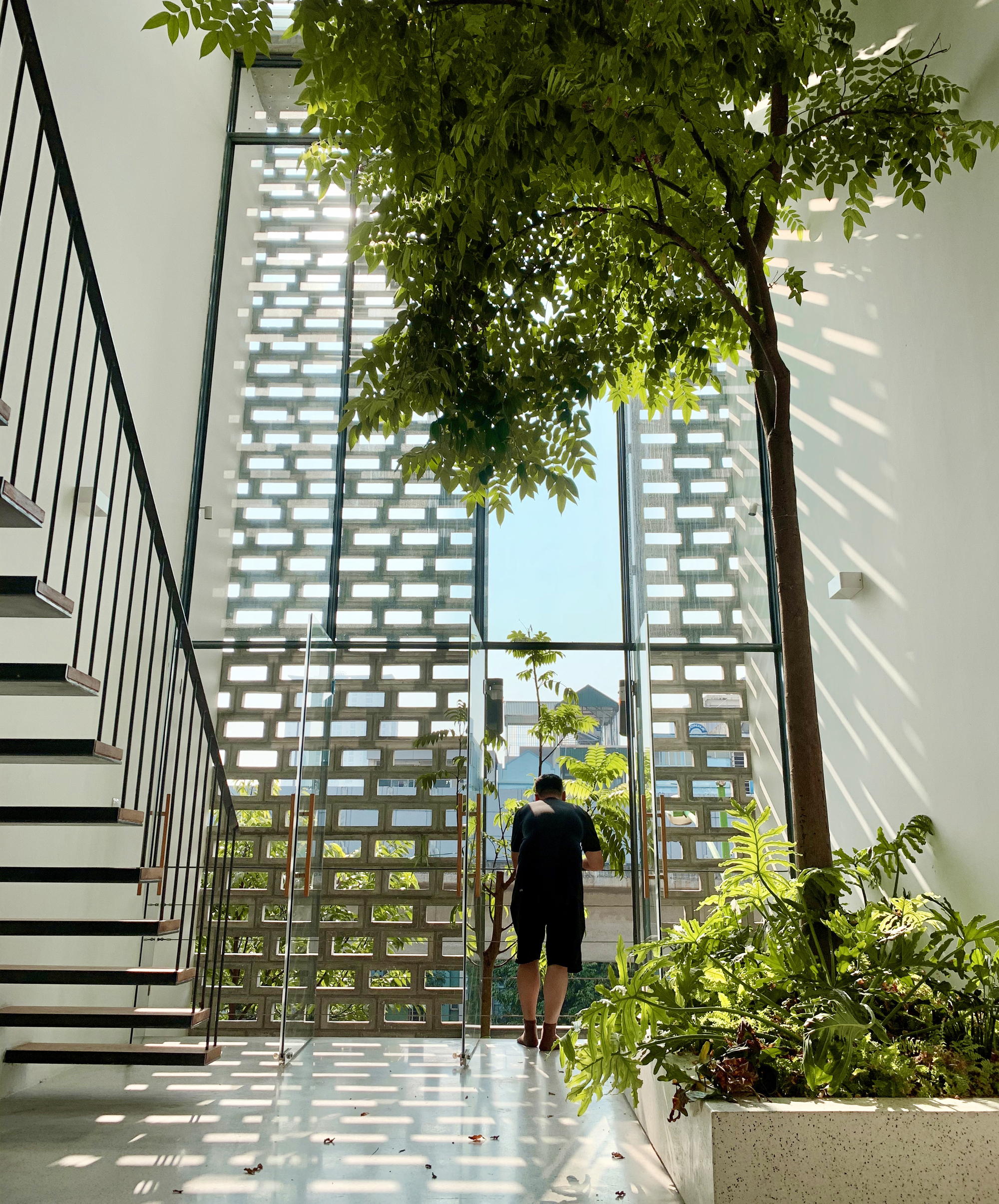
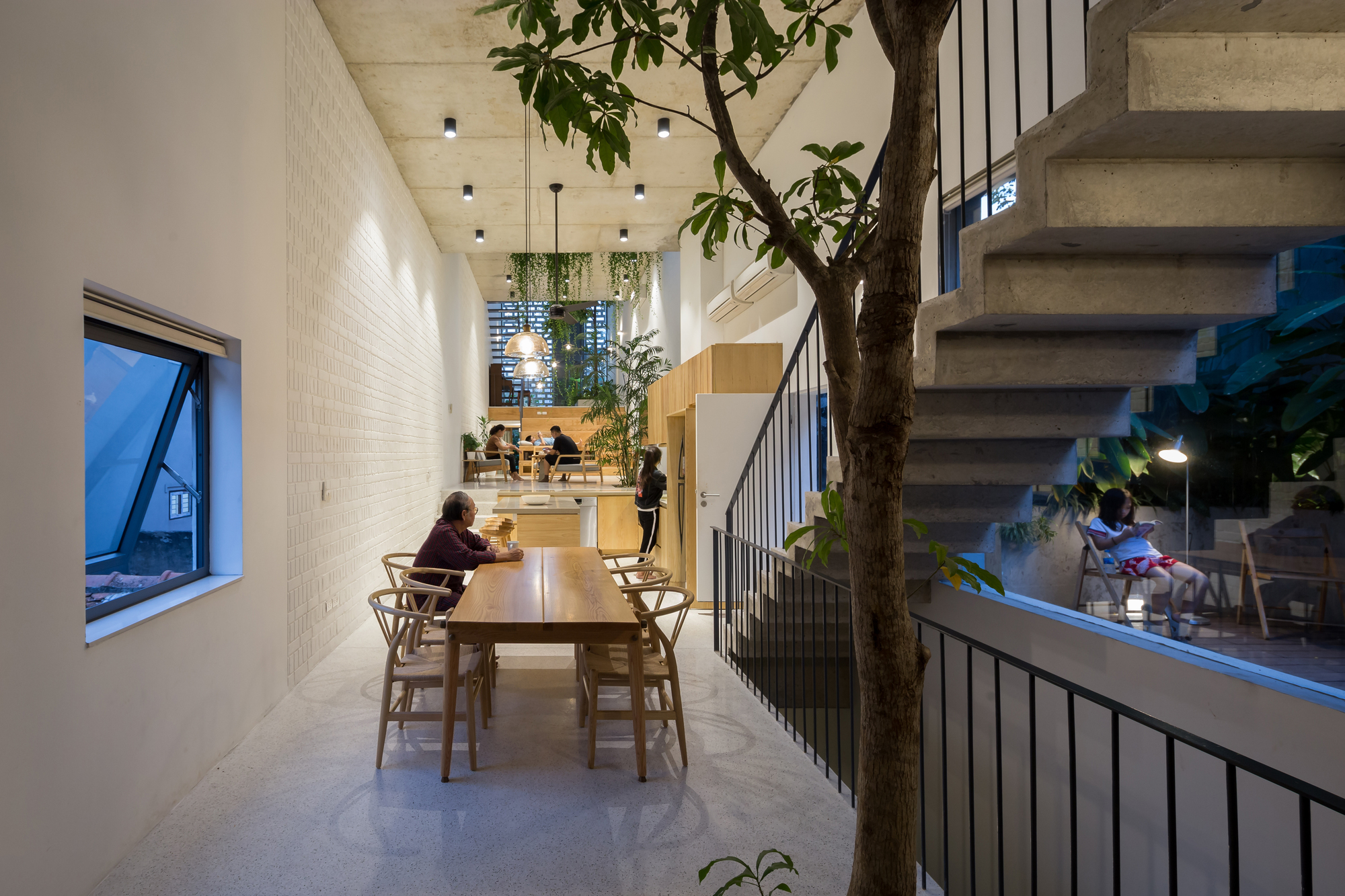
Functionally, the house is also divided into two parts: the lower 2 floors — for commercial use, and the upper floors — for the family.
3. Stairway House, Tokyo. nendo architects
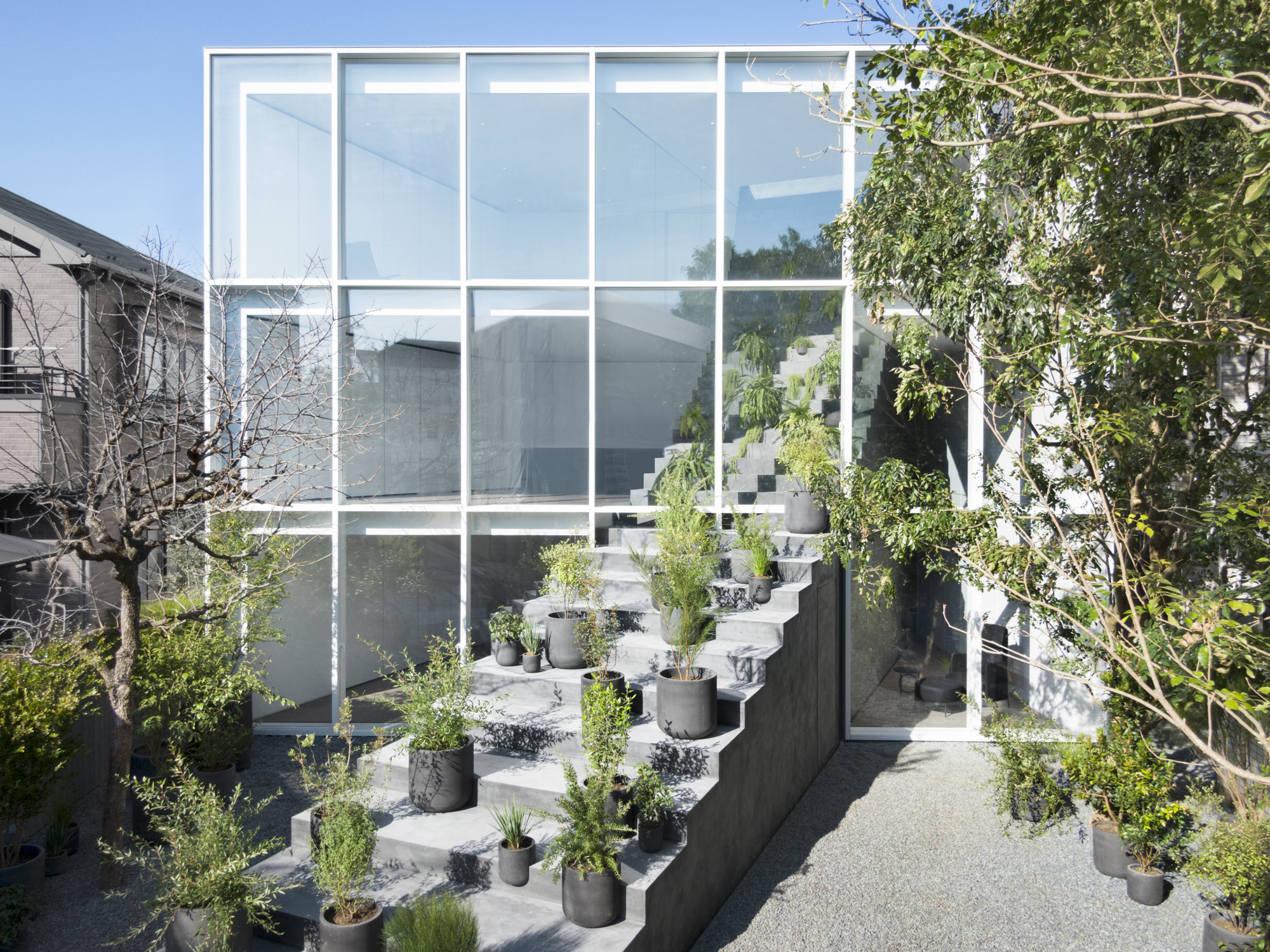
The house is designed for two families and turns a fully glazed façade toward the south to bring as much light as possible into the living space. To erase the generational divide, a «penetrating» staircase was designed between the exterior and interior, beginning outside the house and extending all the way up to the third floor. Inside this «staircase» are the bathrooms and the actual staircase used day to day.

4. Brick Vault House, Spain. Space Popular architects
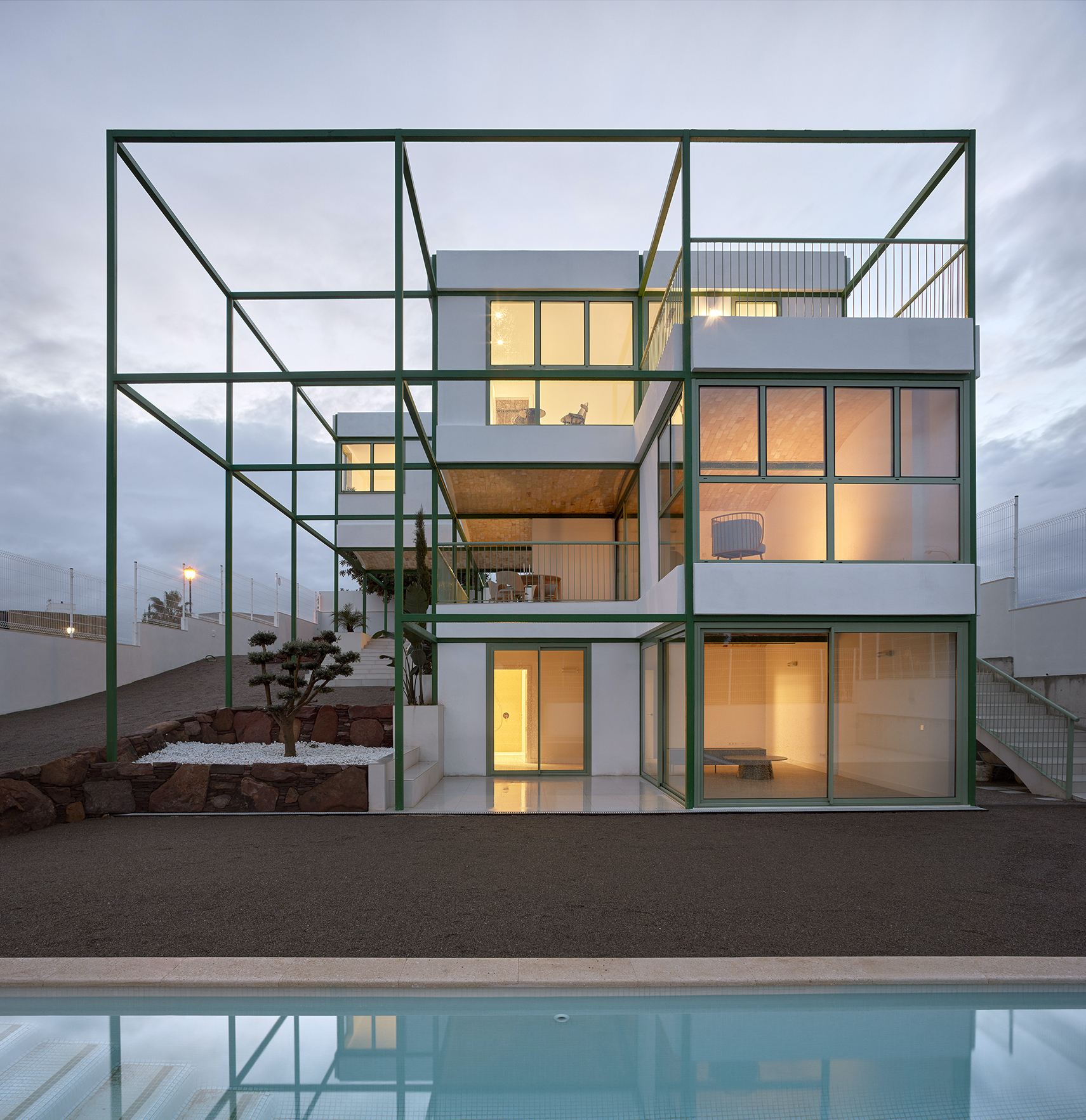
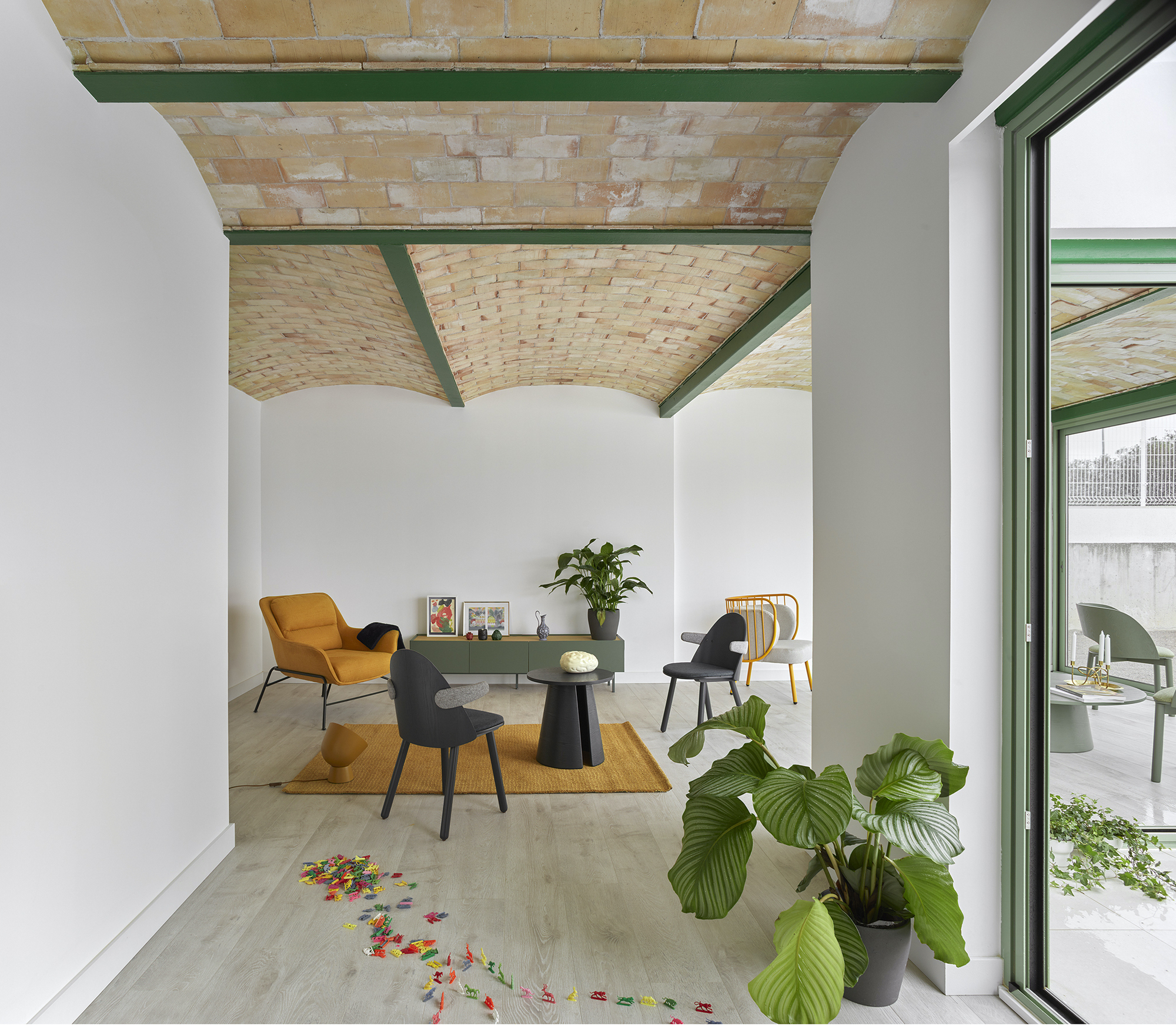
This is a prototype country house that aims to combine industrial construction methods with traditional Valencian craftsmanship. The house works like a kit, with a green steel frame, load-bearing brick vaults, and plasterboard partitions. The modular system lets you build a variety of terraces and verandas in different configurations. So, while maintaining a certain level of standardization in the design, you can achieve different house layouts and avoid repetition.
5. HOUSE (Human’s Optional USE), Vietnam. H&P Architects
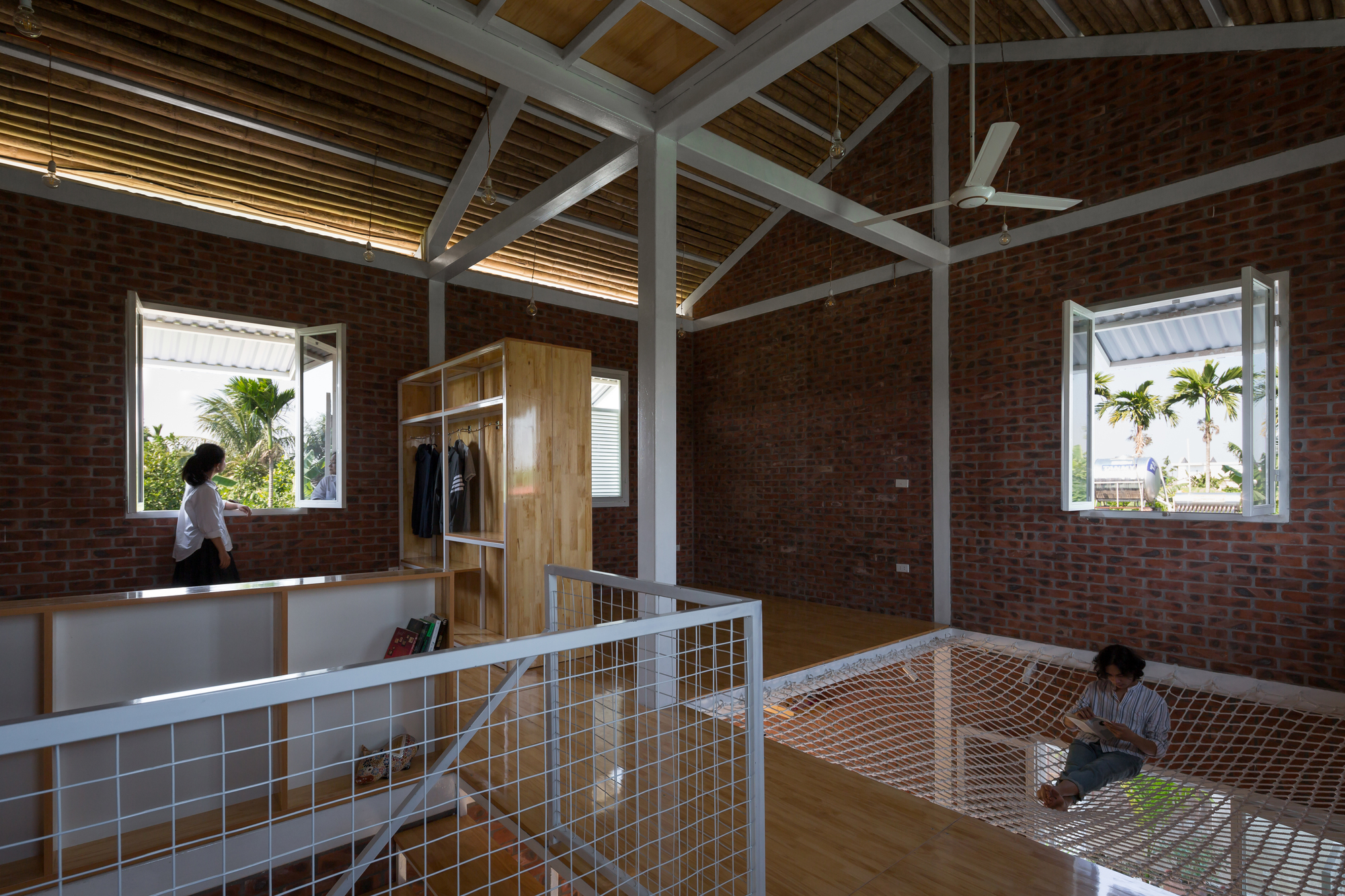
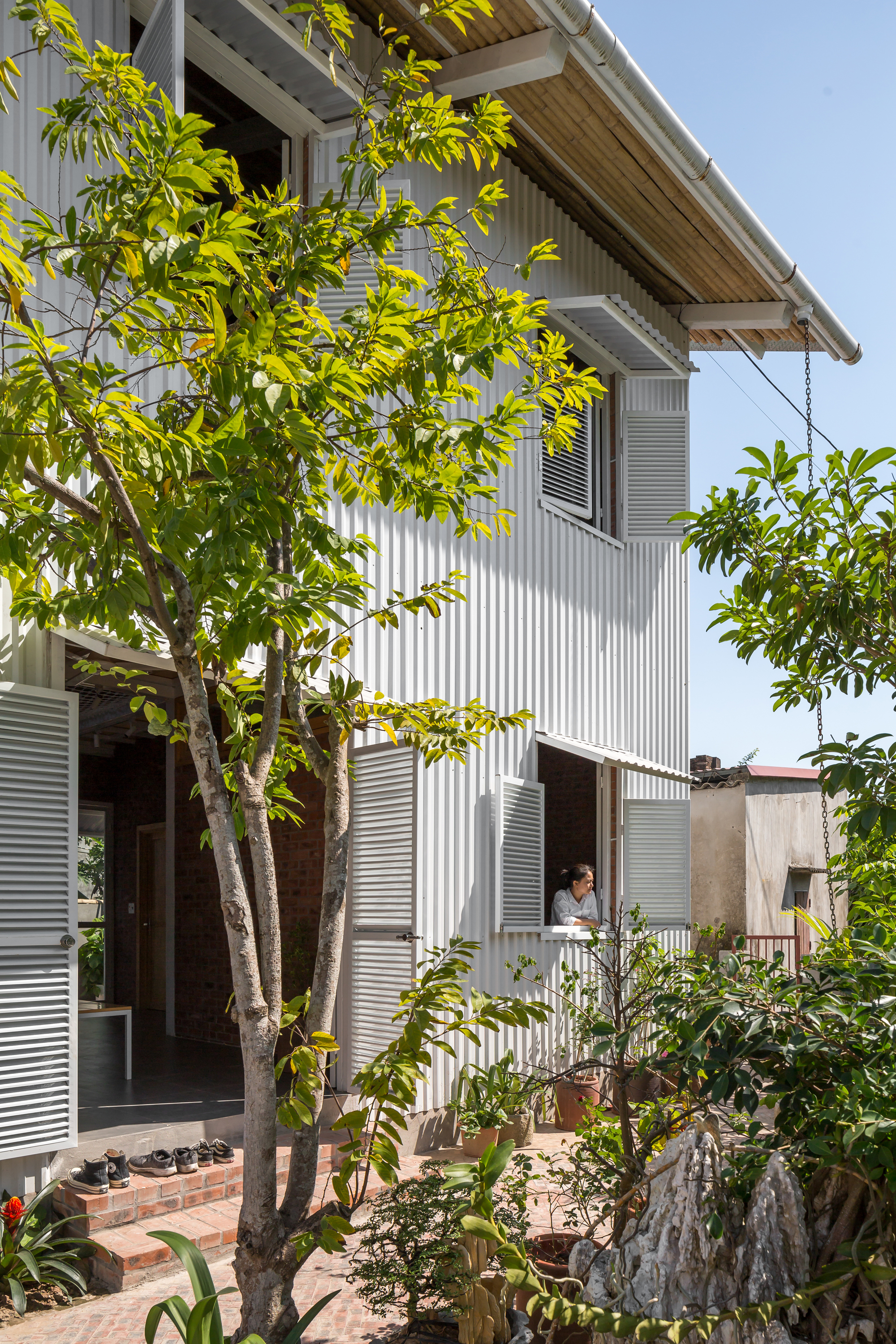
This project won't impress you with its scale or extravagance. Instead, it's a basic, fast-to-build solution for vulnerable communities hit by disasters, flooding, displacement, and low incomes.
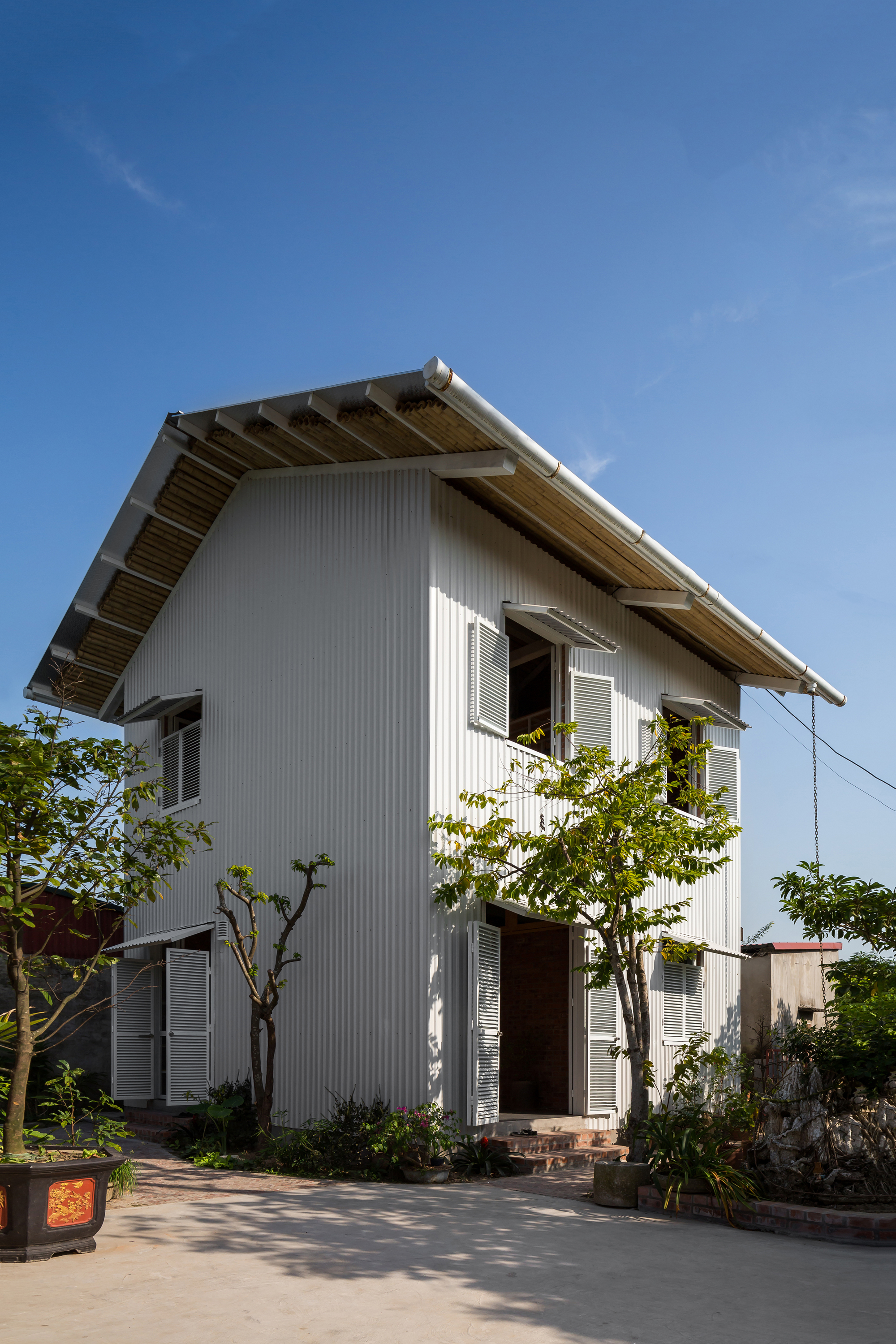
The house consists of three main parts: a reinforced steel frame, a double-layer envelope, and utilities.
The steel frame is made of steel tubing (15×15 cm) with multiple connection points, which makes it possible to build several stories. The frame can also support a house on piles (for mountainous terrain) or serve as the foundation for a floating house buoyed from below by many barrels.
The roof can be covered with locally available materials such as brick, steel pipe, corrugated iron, and so on. The roof carries solar panels and a sprinkler system to cool it. There are also systems for reusing water for household needs.
Which project did you like best? We're rooting for Stairway House.
There's still one more week to vote. The winners will be announced on February 18, 2021.
The ArchDaily Awards will soon be announced.
ArchDaily’s Building of the Year Awards are held annually and have been around for 12 years. The winners are chosen not by a jury but by readers through an online vote.
ArchDaily’s Building of the Year Awards is an annual event that has been around for 12 years.