Space news. Bricks made from moon dust
A new material for building in space.
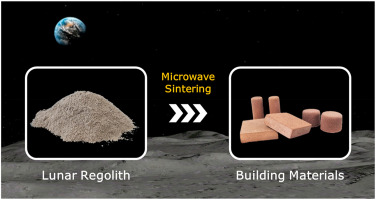
Researchers at the Korea Institute of Civil Engineering and Building Technology (KICT) have developed an innovative technology that could change the way we build on the Moon and other planets. The technology turns lunar dust into solid bricks using... microwave radiation! This breakthrough brings us closer to the possibility of creating self-sufficient settlements beyond Earth.
How do "moon bricks" work?
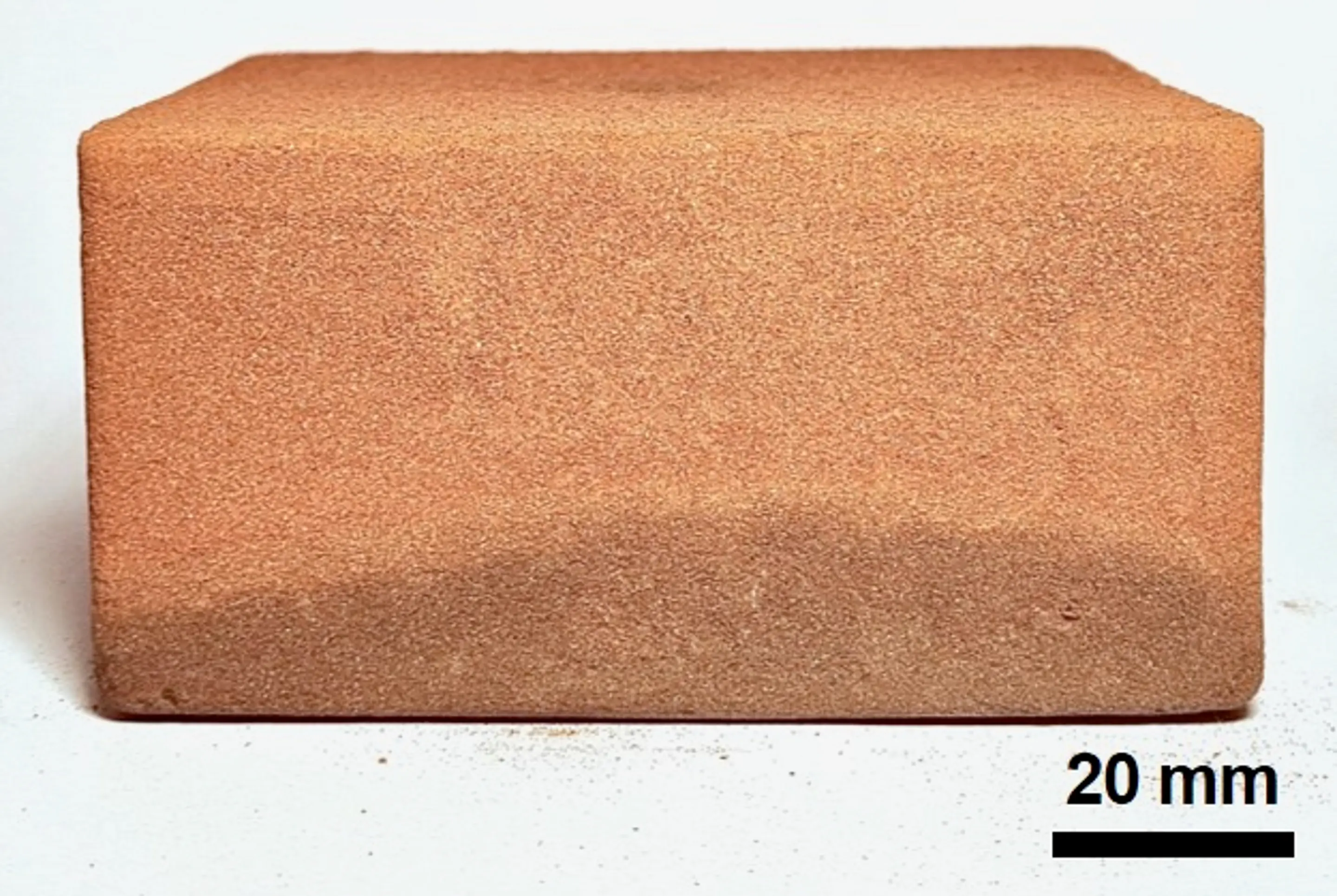
Research has shown that the surface of the Moon is covered with a layer of regolith: fine dust and rock fragments. To create a durable building material, the scientists decided to "bake" this dust using microwaves. Much like a kitchen microwave, a special device heats the regolith to a high temperature, causing it to melt and sinter. The resulting bricks become strong and able to withstand the harsh conditions of the space environment.
Why does this matter for space exploration?
Transporting building materials from Earth to the Moon or Mars is incredibly expensive. But using local resources such as lunar dust could make the construction process far cheaper and easier. Such technology would make it possible to create buildings that are protected from radiation, extreme temperatures, and other space hazards right on site, using available materials.
What are the advantages of the microwave-firing method?
The method proposed by the scientists is notable for its simplicity and high efficiency. Microwave radiation not only heats the regolith quickly but also distributes the heat evenly, making it possible to create strong blocks of dust in just a few minutes. This means construction can proceed quickly, with no need for complicated or expensive tools.
What's next.
Developing microwave bricks from lunar dust is an important step toward establishing permanent bases on the Moon, and possibly Mars. Such bases could be the beginning of future colonies, from which it will be easier to explore space and extend the human presence beyond Earth.
Perhaps in the coming decades we will see the first "lunar cities" built from local materials using technologies like the microwave firing of regolith.