RIBA Announces the Winners of Its 2021 National Awards. See the shortlist and the winner of the House of the Year category.
The Royal Institute of British Architects award has been presented since 1966 and recognizes the best new buildings in Britain, offering insight into trends in construction and design.
The key trend among this year's winners: the sensitive restoration and adaptation of existing buildings.
In his remarks, RIBA president Simon Allford noted the symbiosis of "radical, cutting-edge new designs... that have breathed new life into historic buildings," and stressed the importance of cutting carbon emissions: "low-energy architecture is our present and our future."
«House on the Hill»
Winner of RIBA's House of the Year 2021 award.
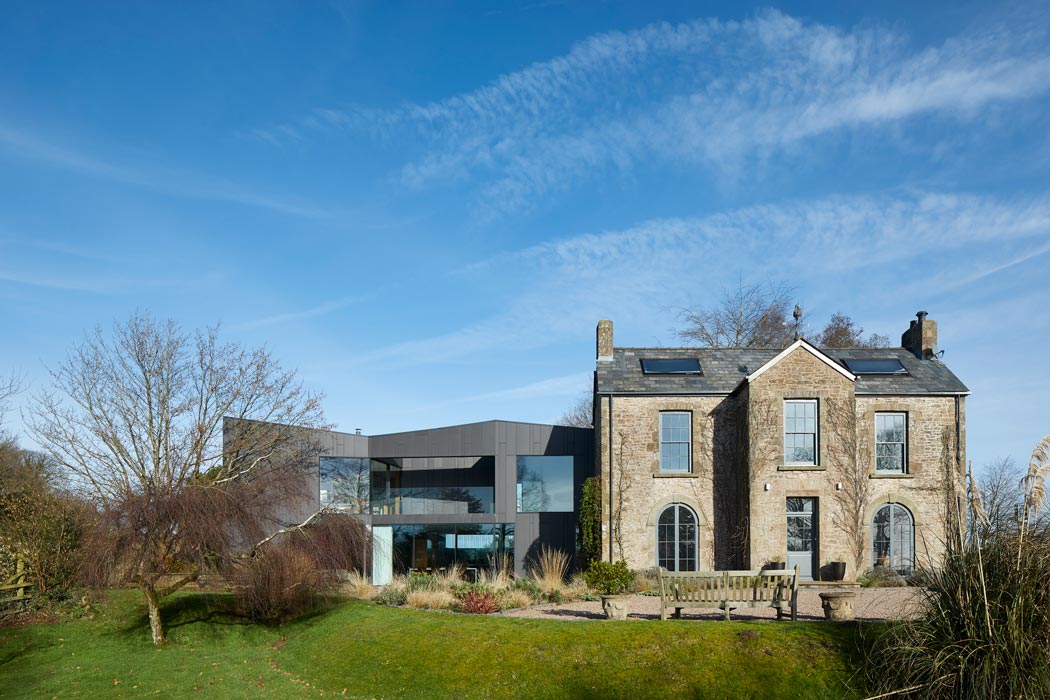
This eighteenth-century farmhouse, set at the highest point in Gloucestershire, has been transformed over ten years into a gallery of Indian and African sculpture.
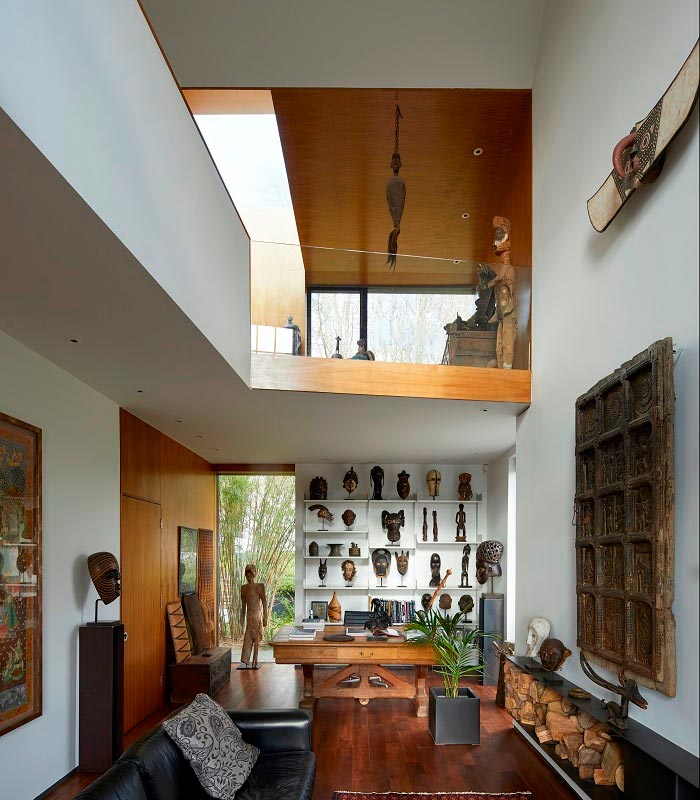
On one side, three floors were combined into a single, elaborate new exhibition space.
The annex is larger than the original house, yet clearly subordinate to it.
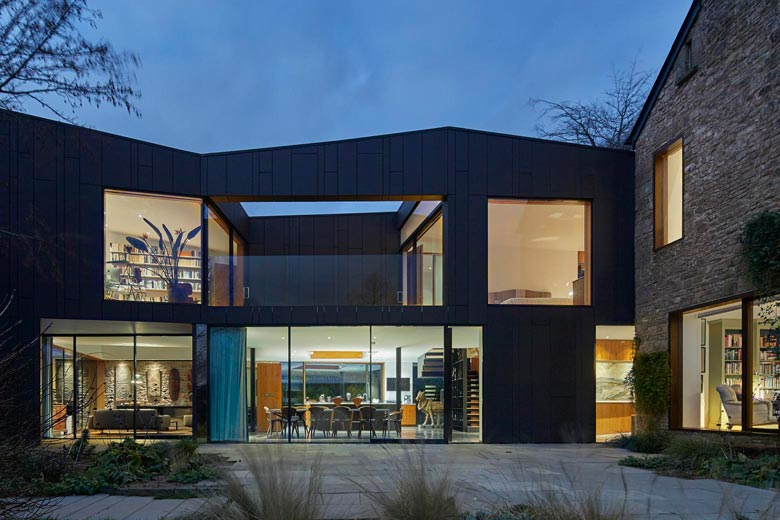
The new addition is clad in dark brown fiber cement with contrasting small flashes of polished stainless steel. The sloping geometry of the architecture creates shifting planes and an intricate play of solids and voids, while still giving a sense of openness, with carefully framed views in every direction.
Six other projects were shortlisted.
«Corner House»
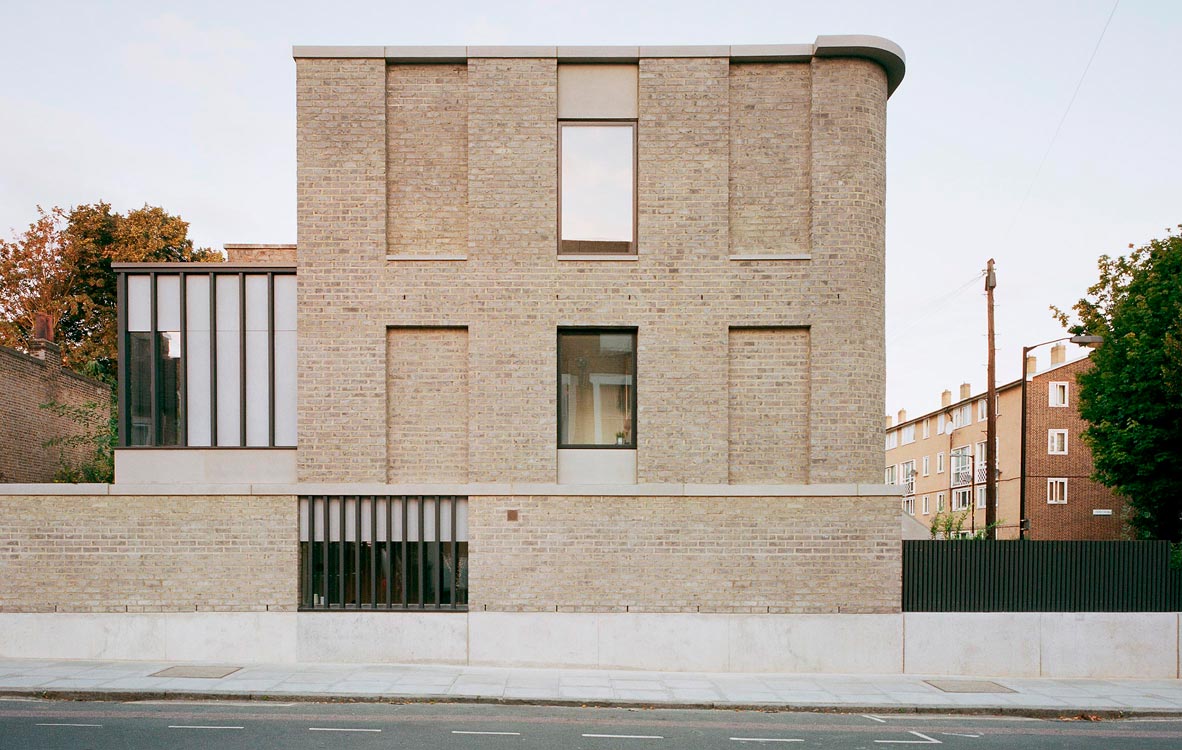
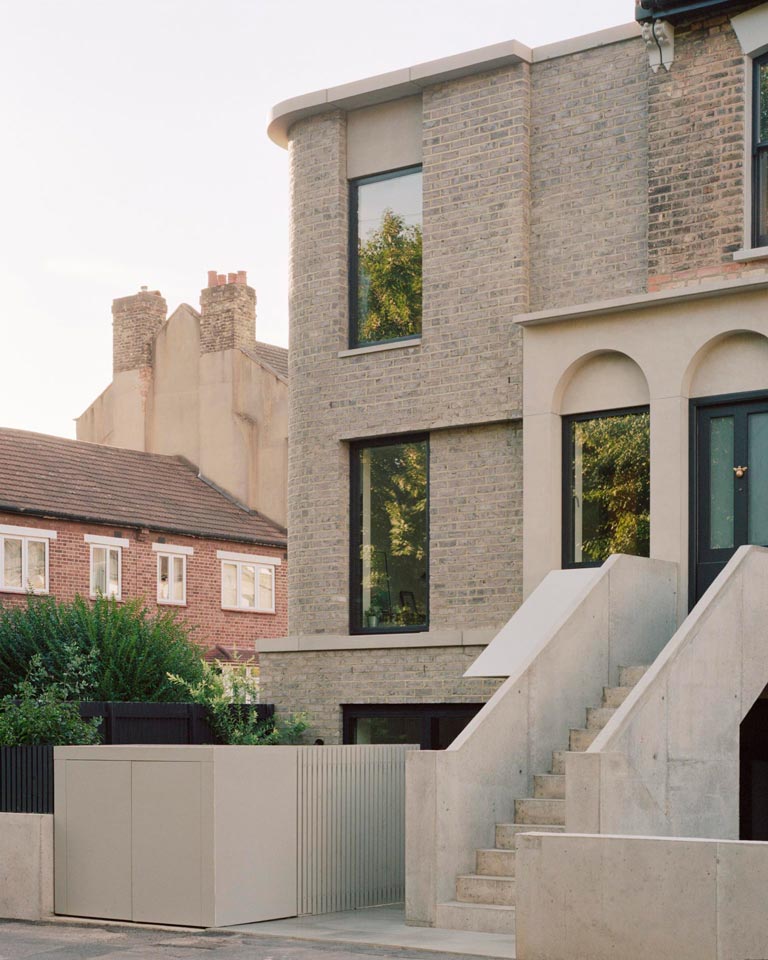
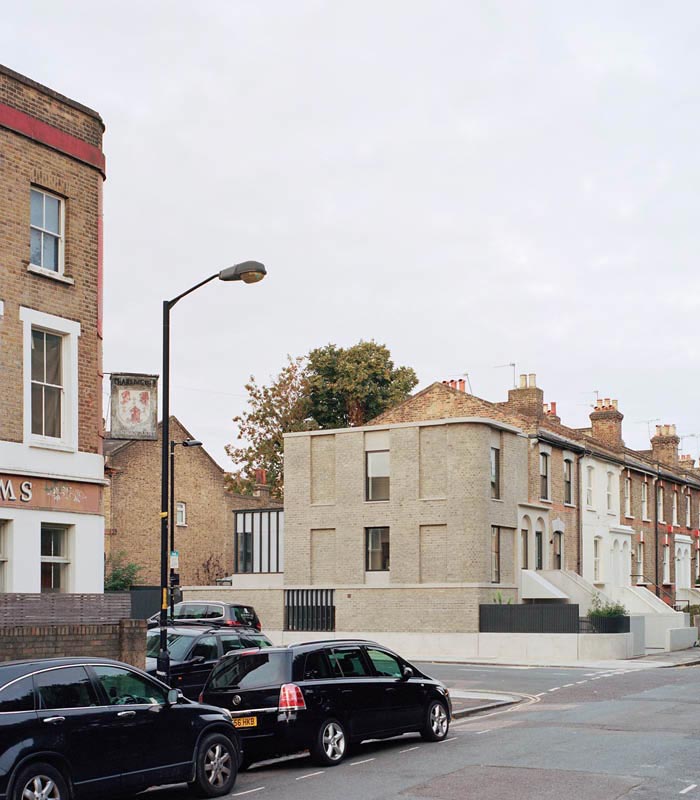
This newly built house fits perfectly into the context of the neighboring homes, incorporating references to and reinterpretations of Victorian elements.
The light, elegant brick finish looks warm and inviting, even in cloudy weather.
«House for Theo and Oskar»
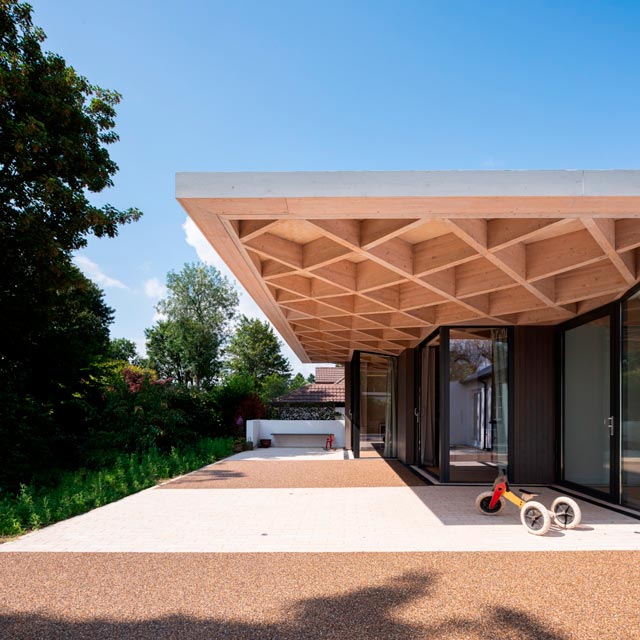
The goal of the renovation was to turn the family cottage into a comfortable home for Theo and Oskar, children with Duchenne muscular dystrophy, accounting for their limited mobility and their plans for the future.
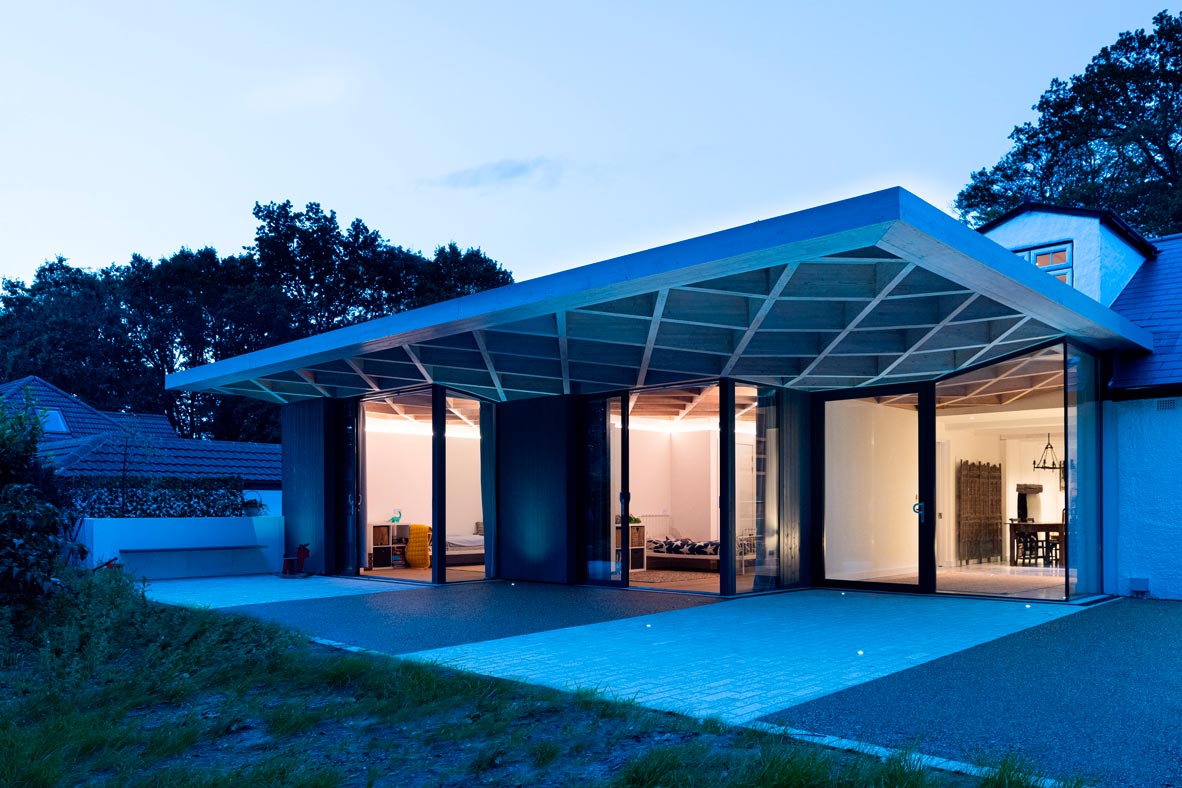
The rear façade is defined by a diagonal wooden roof that cantilevers over sliding glazing, providing barrier-free access from the children's bedrooms to the terrace.
«House in Assynt»
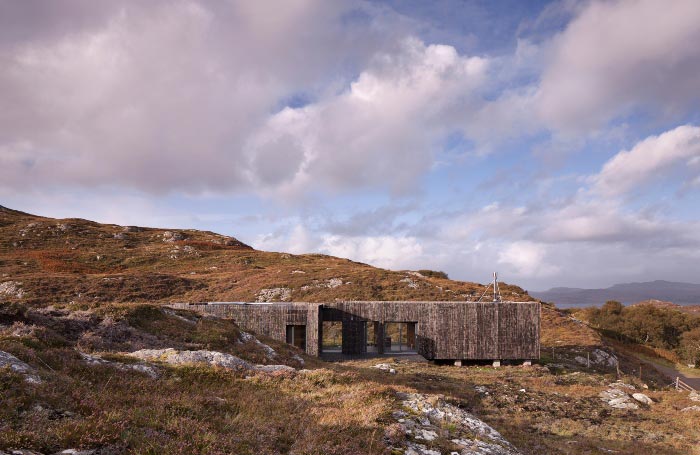
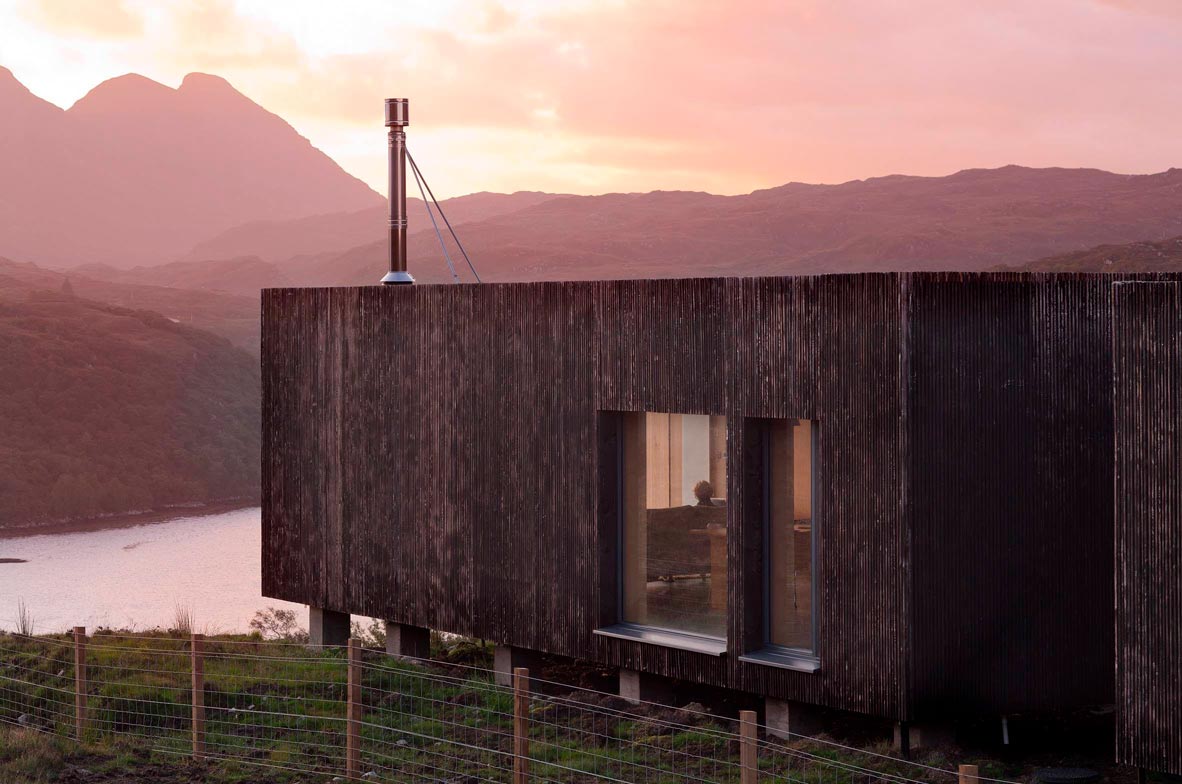
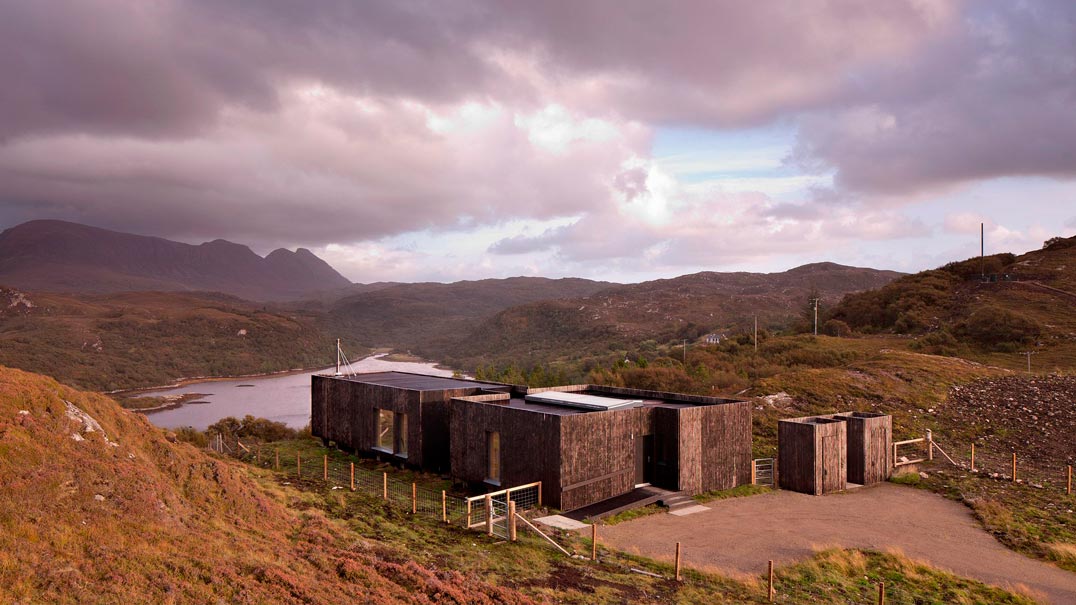
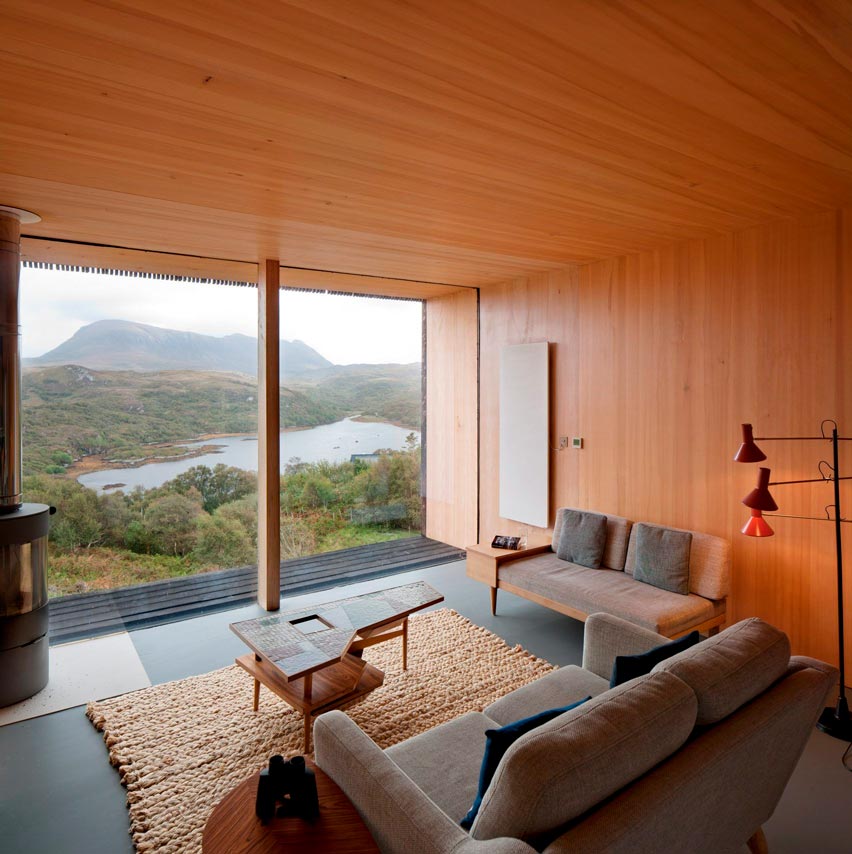
An example of sustainable, thoughtful architecture that blends into the landscape, has the smallest possible impact on the environment, and at the same time serves as a safe haven for its occupants.
«Slot House»
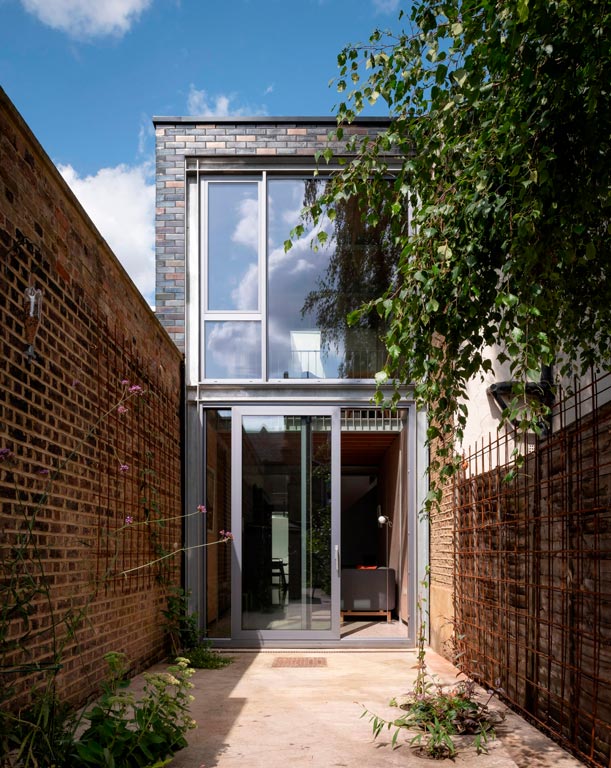
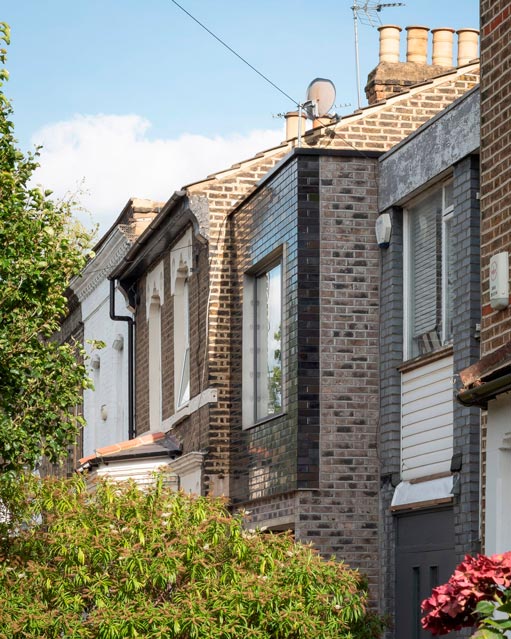
The project shows how, with a little extra time spent coordinating the construction, the sewer and plumbing lines, the stairs, and the cabinetry, you can make even the narrowest, most cramped spaces livable and usable.
«The Outfarm»
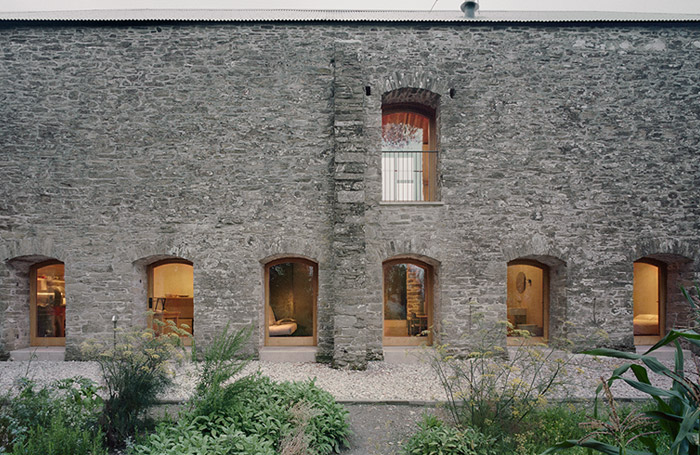
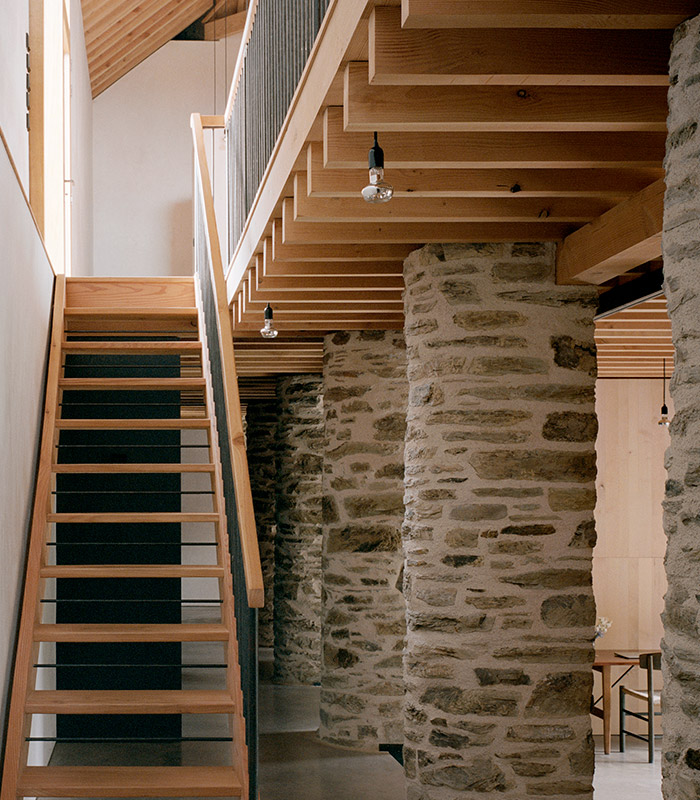
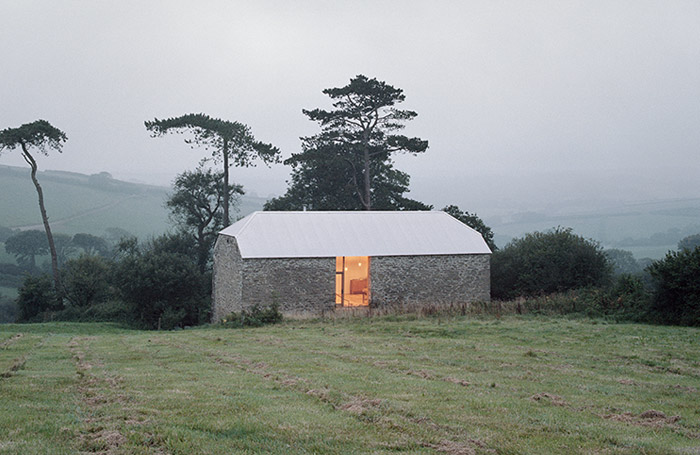
A previously abandoned building, discovered by chance as a ruin, has been transformed into something worthy of being a landmark. Much of its massive, high-quality masonry was preserved and generously complemented with wood.
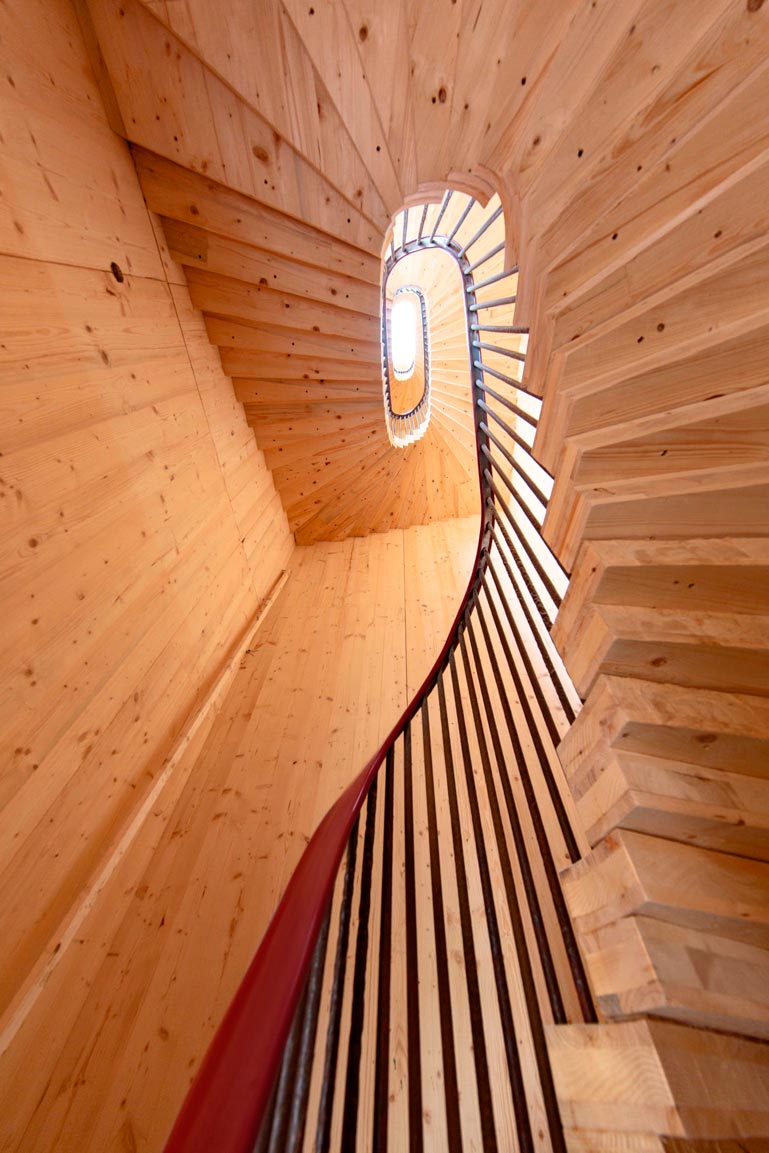
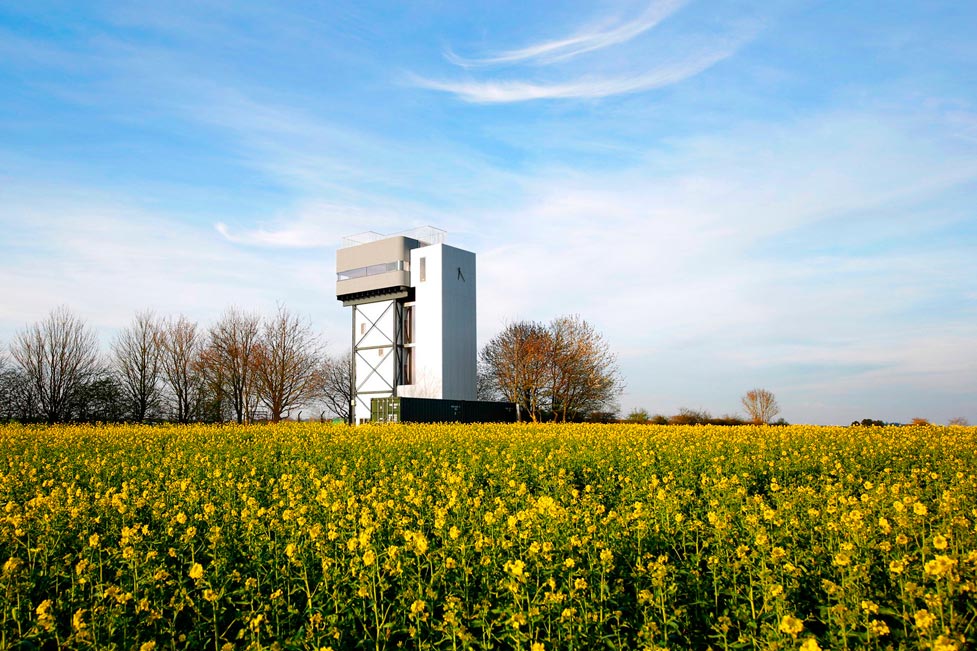
«The Water Tower»
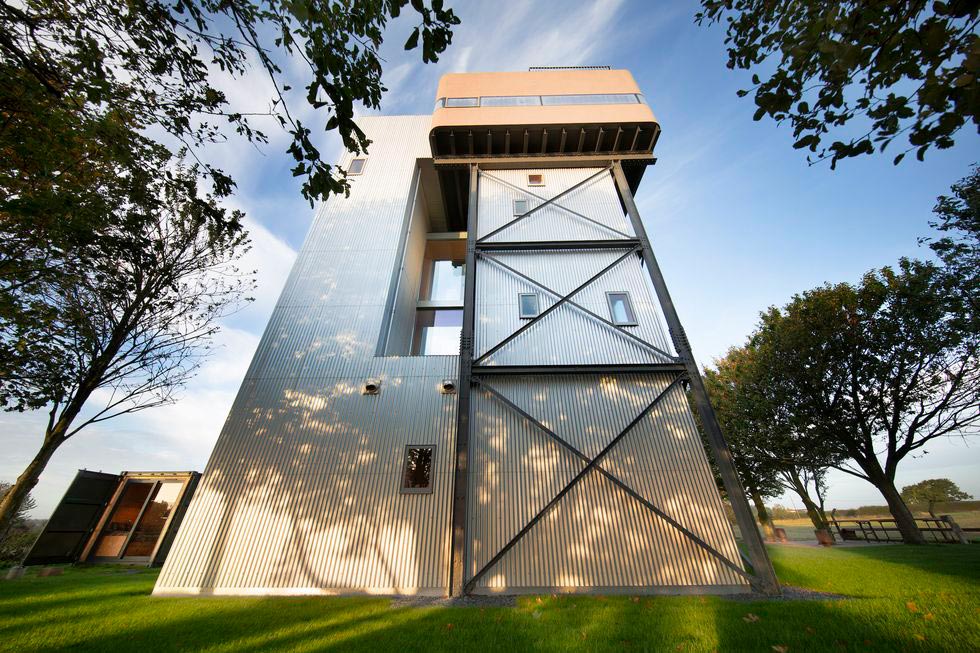
An abandoned water tower was converted into a residence while preserving its aesthetic. The entire structure was reengineered to account for the missing weight of the water. The water tank is cut open on its sides to create a 360-degree panoramic window aligned with the visible horizon. The floors inside the tower are made of CLT panels. A cantilevered staircase acts as a compression spiral that stabilizes the structure, as well as a passive ventilation shaft.