ArchReview #175
1
2
3
4
5
6

Review :
1
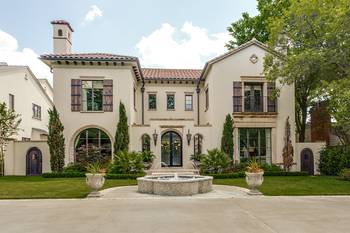
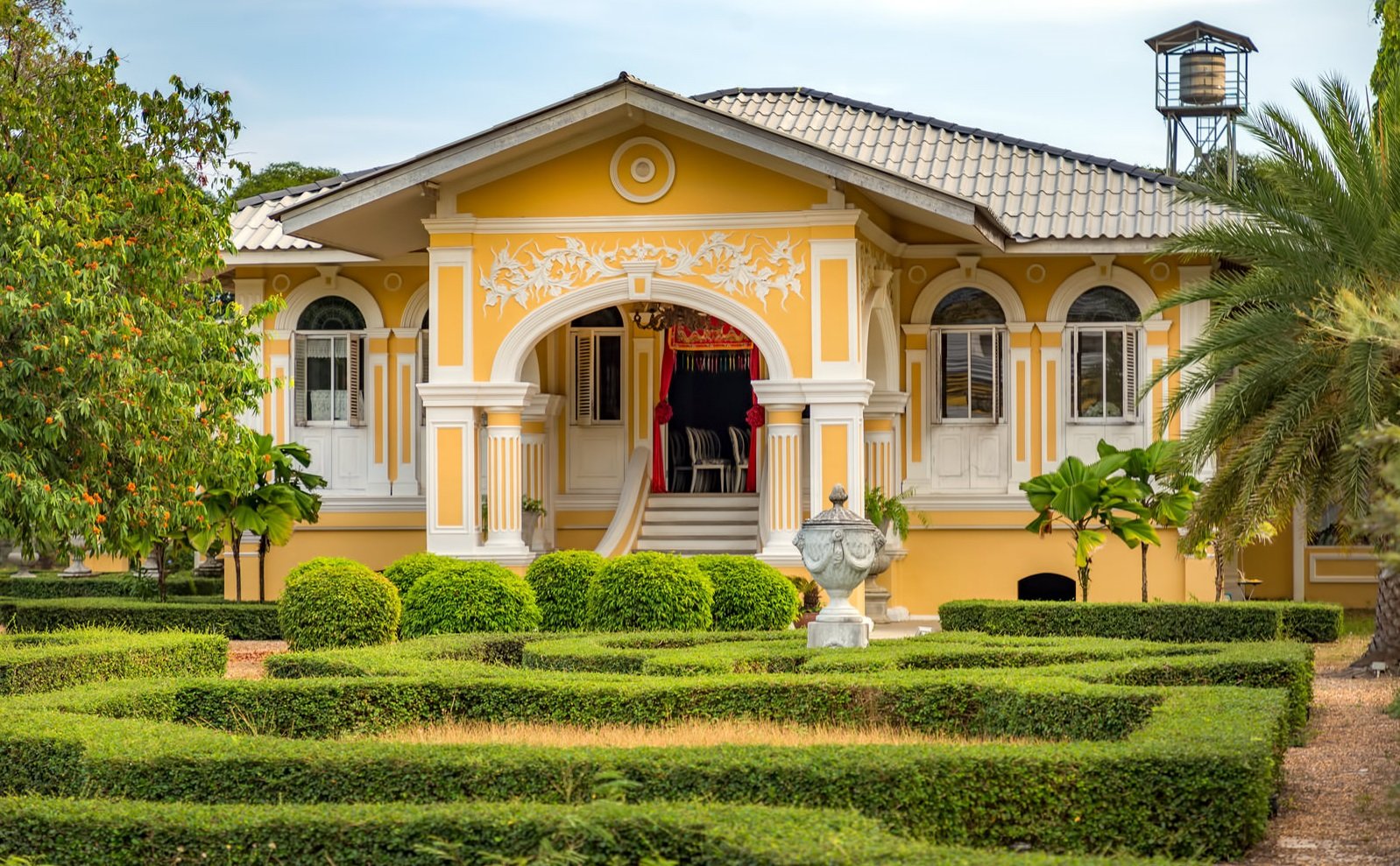
This colonial villa in Phuket is a fine example of South Asian architecture, where Portuguese heritage meets local Thai traditions. The classic three-part facade is impeccably composed. The central axis is emphasized by a monumental portal with a semicircular arch, a device the architect clearly borrowed from Portuguese Baroque, though the proportions are adapted to the tropical climate and the ornament is lightened.2
The symmetry works like clockwork, the side windows with their characteristic semicircular tops mirror each other for perfect visual balance.3
The ochre-yellow base tone is more than a nod to colonial tradition. It's a smart choice for the tropical sun: the color neither fades nor glares, and it gives a sense of coolness. White frames and trim act as graphic accents that structure the facade.4
The fluted columns at the entrance are a classic order, but simplified. The capitals are minimal and there's virtually no base. It's a deliberate move away from academicism toward function, fewer details to suffer in the humidity.5
The window shutters aren't decoration but a necessity, a two-layer defense against sun and rain: first the semicircular glazing, then the wooden shutters. Practical and beautiful at once.6
A parterre garden with topiary is pure Europe, Versailles ambitions in miniature. The geometry of the hedge contrasts with the lush tropical planting around the perimeter, creating a buffer zone between architecture and nature.Facade #11194 from Archi.Capital base.