
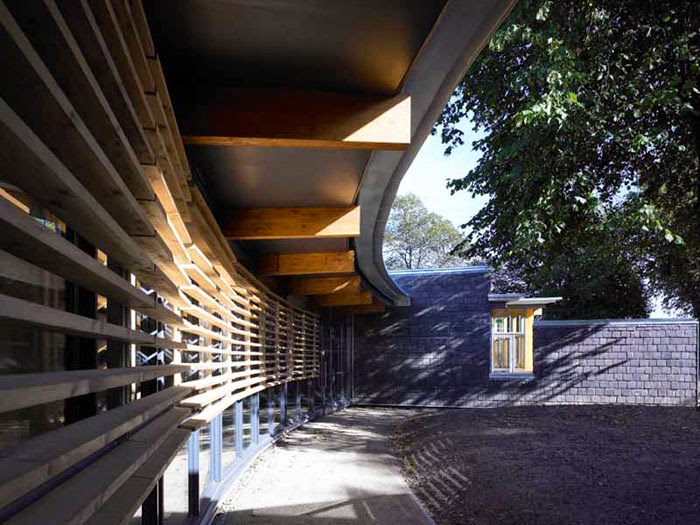
In our practice, we're seeing more and more clients who want to bring elements with "soul" into their modern homes—materials that have already lived one life and are ready to begin another. Old bricks with makers' marks, barn wood marked by time, antique roof tiles—these aren't just building materials. They're artifacts that carry stories, and they can enrich even the most ultra-modern facade.
Why are we drawn to the "old"?
- Tactility and uniqueness. In an age of mass production, materials with a history offer one-of-a-kind textures, patinas, and imperfections. Every scratch on a barn board, every chip on an old brick tells its own little story.
- Emotional connection. These materials create a sense of rootedness, even if the house was built yesterday. Touching an 18th-century brick is like touching time itself.
- Sustainability. Reusing materials is a trend, but it's important to understand where they came from and how they've been processed.
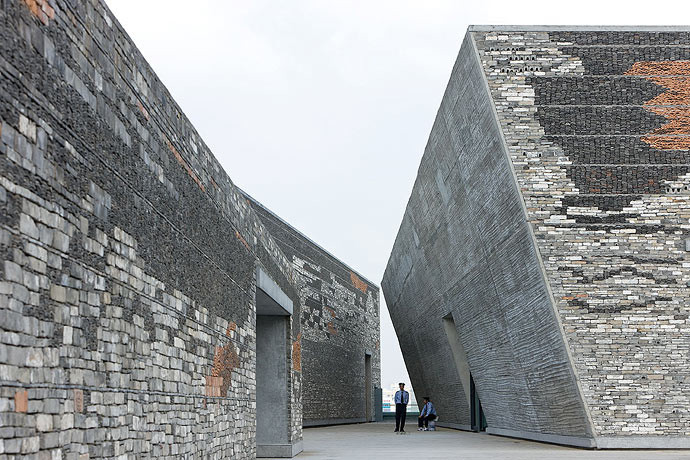
Practical advice
- Where to look: specialized suppliers, demolition sites, restoration workshops. The material has to be cleaned, treated for pests, and reinforced if necessary.
- A sense of proportion: A material that "speaks" needs a calm backdrop. One accent on the facade is better than three. The house shouldn't turn into a museum exhibit.
- Construction: Old materials often come in non-standard sizes and properties. Pre-revolutionary brick may call for thicker joints, and its load-bearing capacity differs from that of modern brick.
- Dialogue with the modern: Contrast—yes; conflict—no. The modern should highlight the beauty of the historic material, and the historic material should bring warmth to the new architecture.
Using materials with a history in modern facades is a way to create architecture with depth and character. It's a chance to tell a story without writing a single word, to forge an emotional connection between a person and a home.
Architecture is not only about comfort and beauty, but also about memory—about the connection between generations.