
More Gothic!
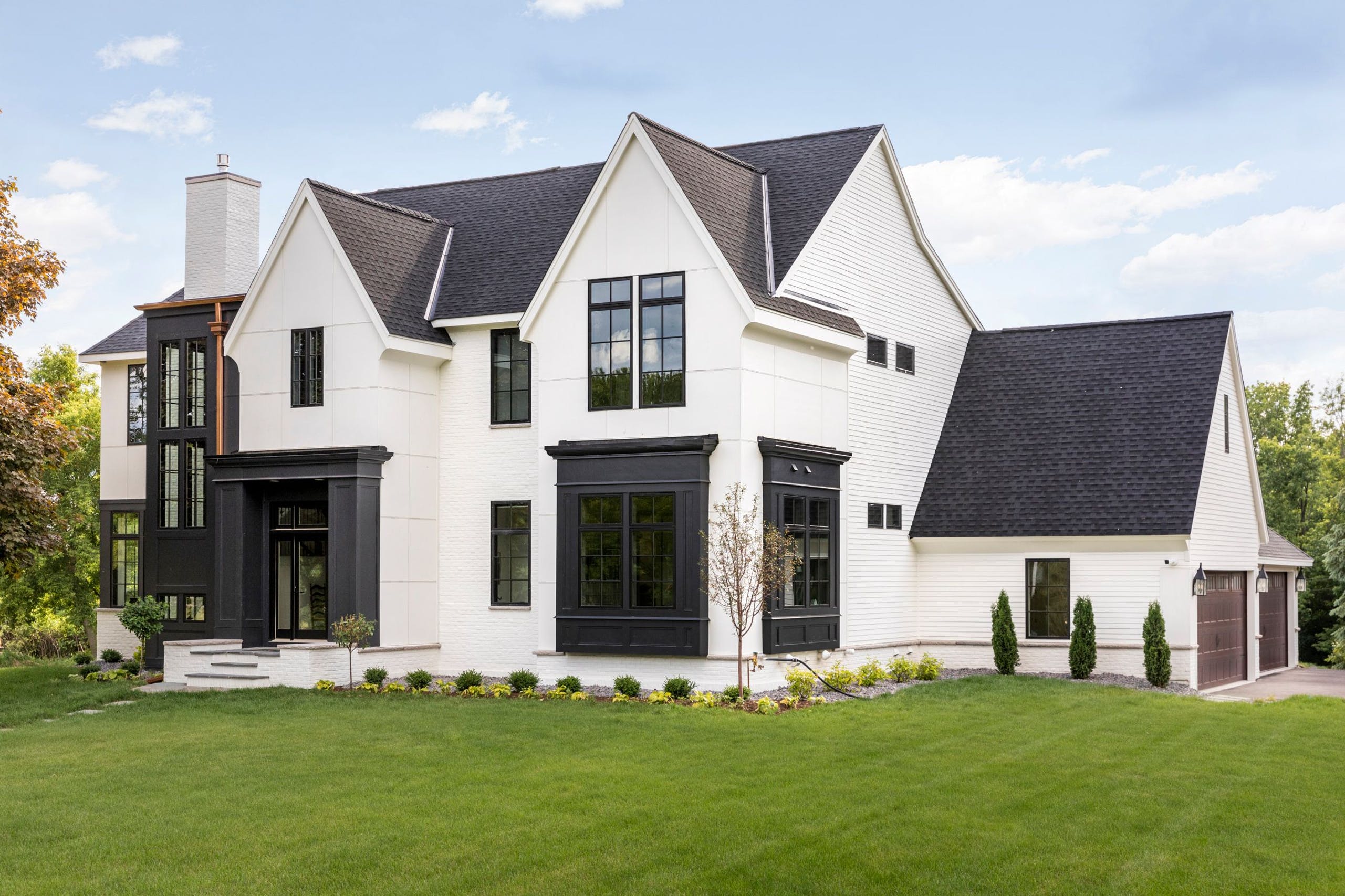
Houses in this style are great examples of how loosely Gothic and modern architecture can come together — even though our own «modern classics» grow out of classicism. We should be building more houses like this.
The «Gothic» element here comes from the Tudor style. In Canada, Western Europe, and many American states, plenty of new private takes on this medieval style (Tudor Revival) were built in the 19th and 20th centuries, expressing wealth and solidity in country houses and townhouses. That kind of architecture has shaped the taste for high-end housing there for the past 100 years.
And now that heritage is being developed and reimagined — including through redevelopment projects.
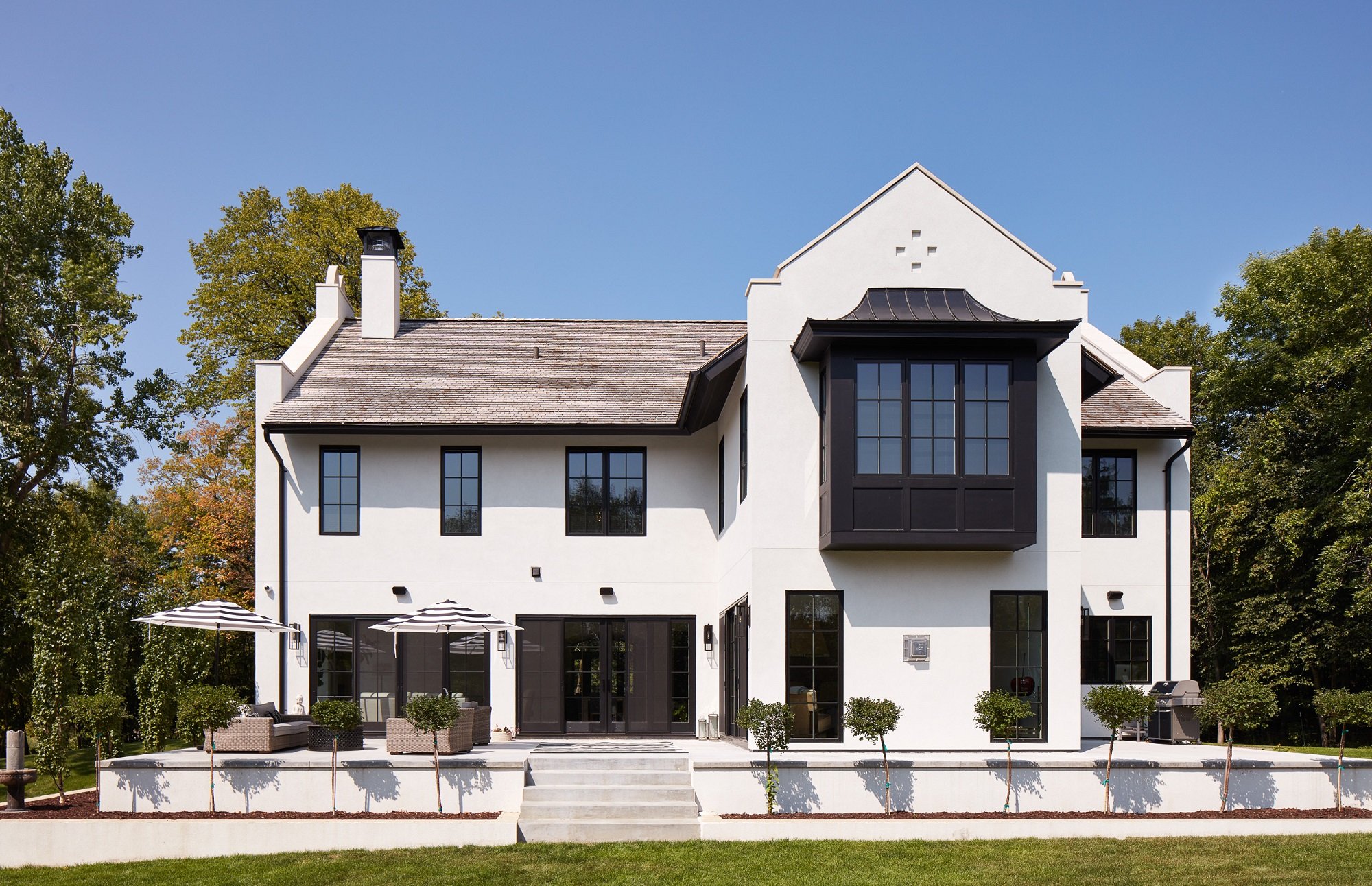
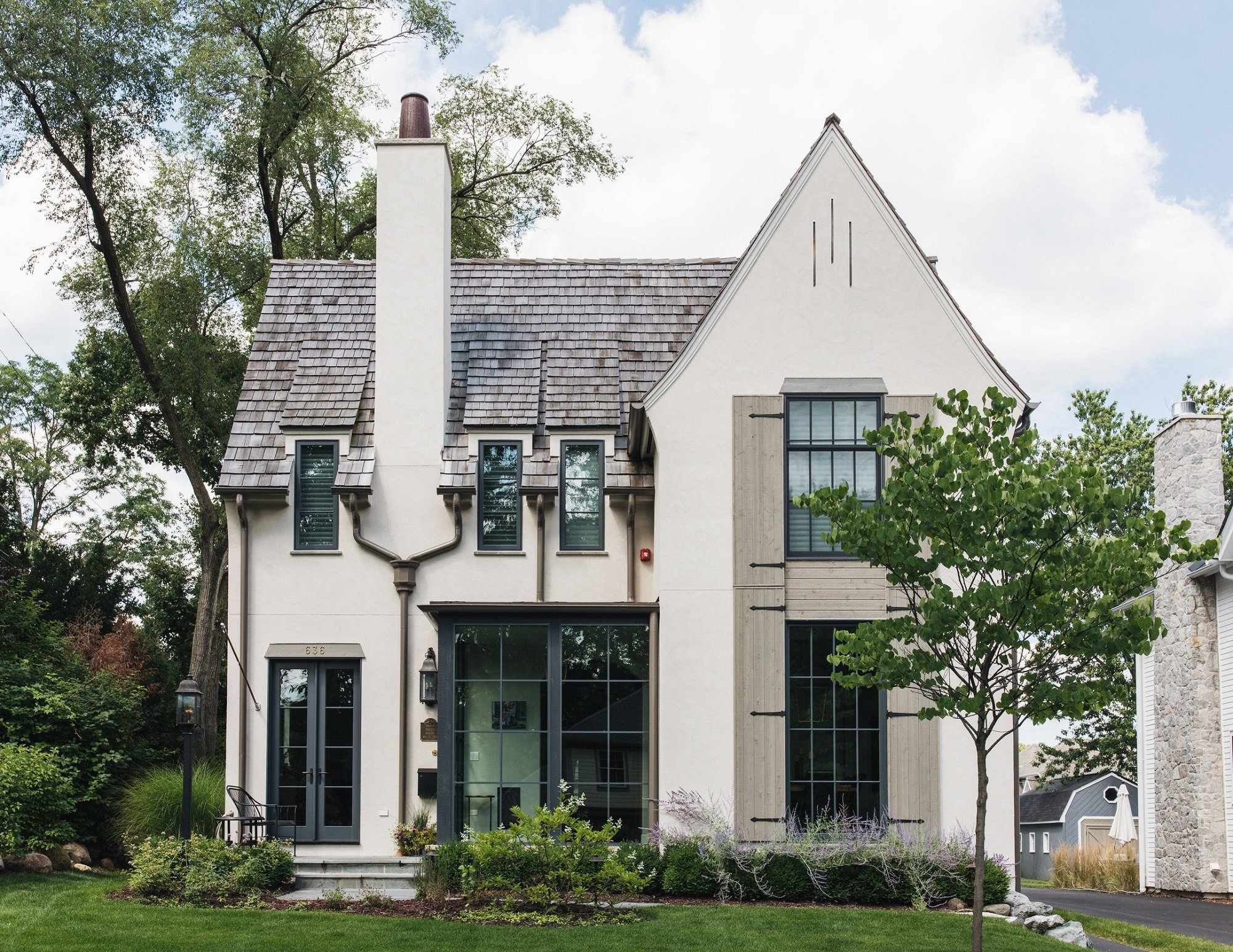
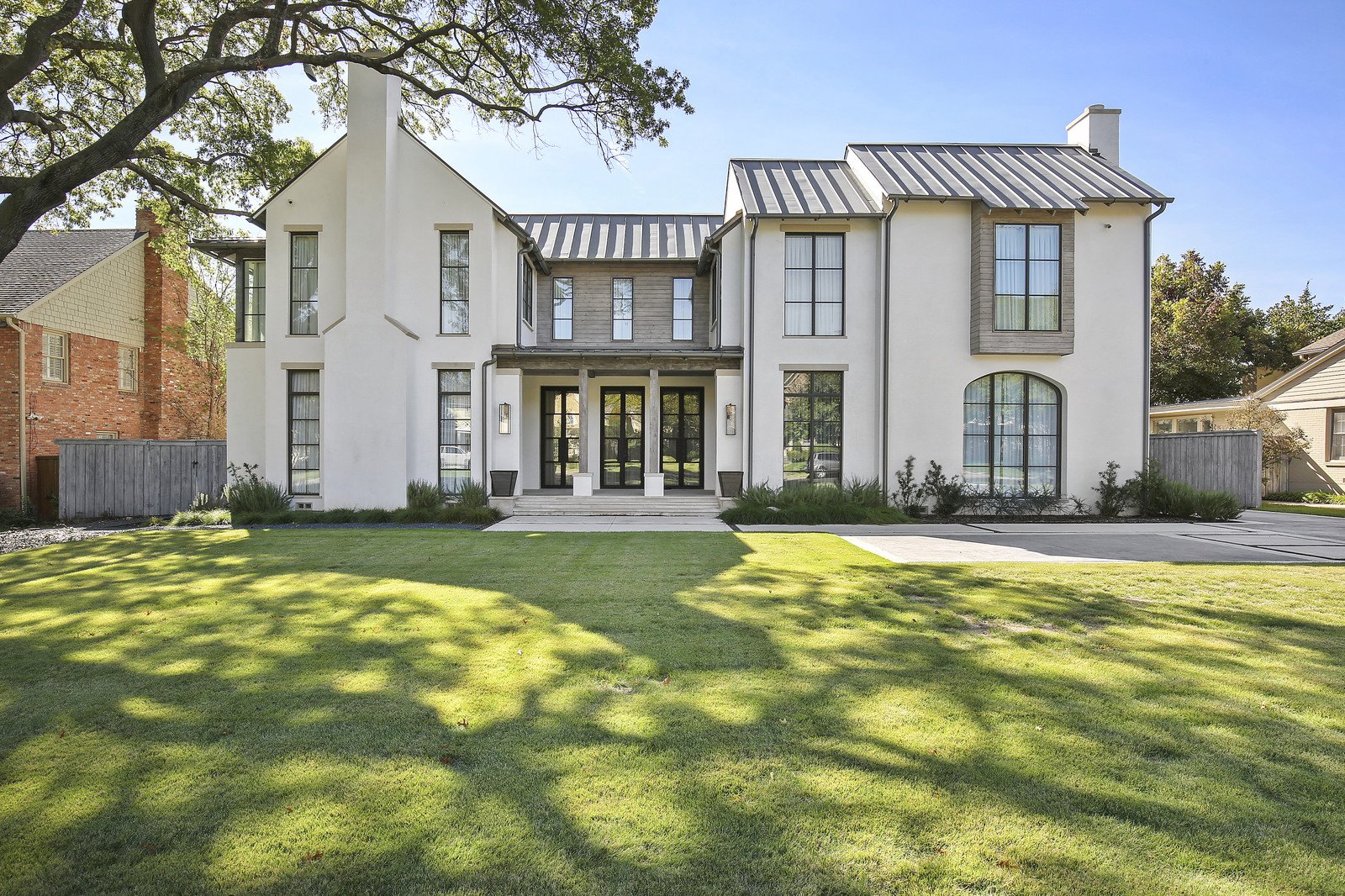
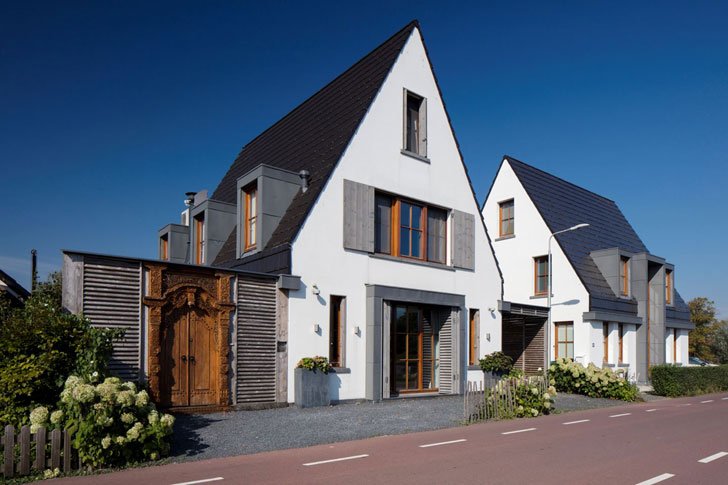
In Russia, mass-market classical suburban housing leans on Greco-Roman aesthetics. Italian and Palladian palaces, Romanesque villas, and Baroque mansions — once built with ambition and real understanding — get quoted in this popular «low» style, with plenty of simplification, of course. As it turns out, the orderly «cubic» massing becomes very dull without skillful, generous decoration.
And then there are qualities that neoclassical houses simply lack: a free plan with no need for symmetry or for cramming everything into a rectangle (hello, modernity!), free volumes, large multi-part windows, and an interesting broken roofline.
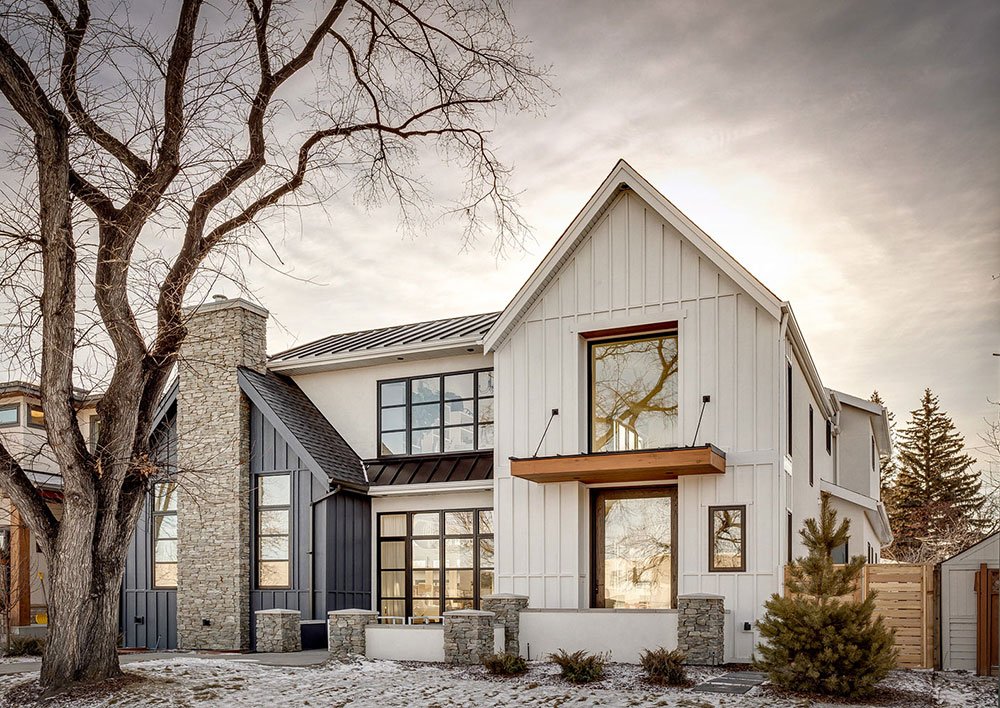
The already proven, popular barnhouse is essentially the simplest form of Tudor architecture. But it lacks the richness and comfort of a permanent home.
Of course, there is no existing stock of these houses in Russia, so we'll have to design them from scratch. This year we're taking orders for modern architecture with Gothic roots. Long live the gables and the slenderness!