
How does artificial intelligence picture modern homes in Russia?
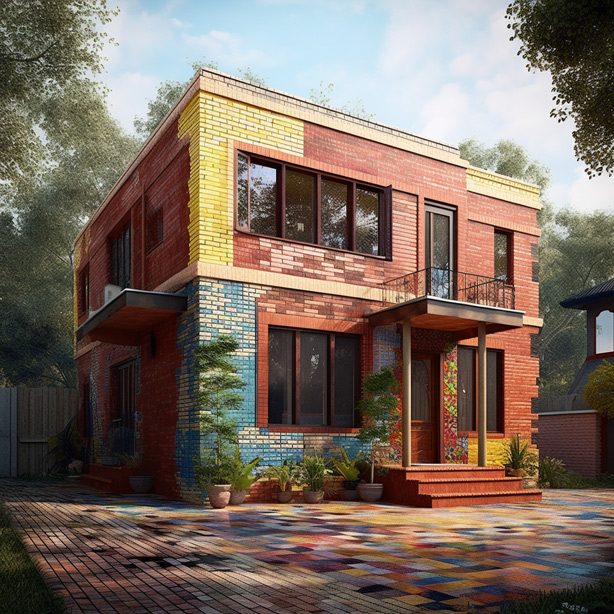
In today's world, architects have to juggle many layers and requirements to bring together the synthesis that is the modern home.
In search of fresh perspectives, we decided to use ChatGPT and Midjourney to explore the future of private architecture in Russia and to look at the most current trends, new concepts, and approaches that can help create homes which meet residents' needs and expectations.
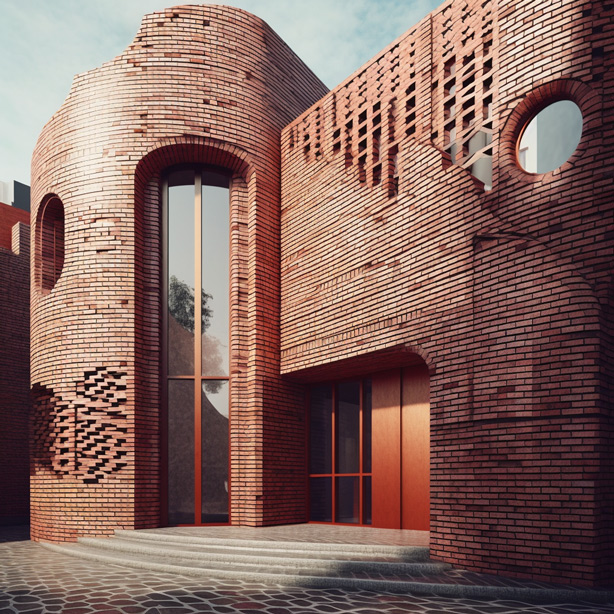
Architecture is not just about creating beautiful buildings; it is also about reflecting the history and culture of a people. In these striking illustrations, we see how modern architecture boldly blends with traditional national features. This not only highlights our uniqueness but also lets us preserve our culture and heritage for future generations. These images make us think about how our culture and traditions can live on in a new world.
In terms of exterior design, we can assume that the modern houses of Russia's future will continue to draw on elements of traditional Russian architecture, but in a more modern and innovative way. For example, roofs may take on a more contemporary shape while keeping their traditional pitches, and façades may be finished with more modern materials such as glass, metal, or composite panels while retaining traditional decorative elements.
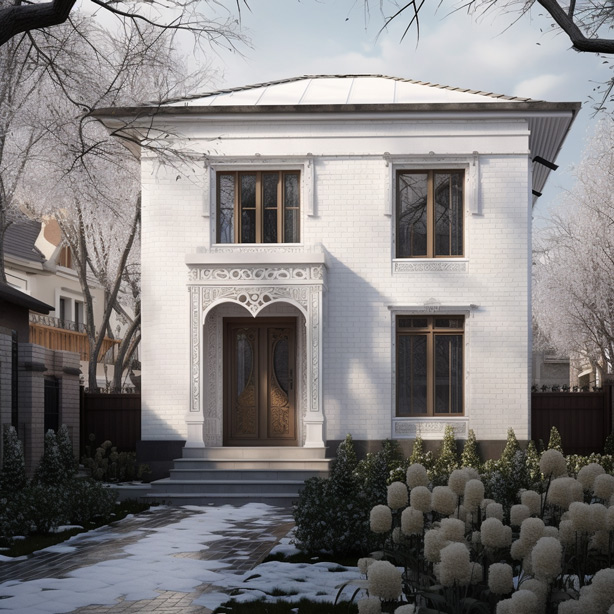
The architecture of the future in Russia is a chance to rethink traditional Russian Art Nouveau in the context of modern architecture. Buildings like these could blend organically into their surroundings while reflecting the uniqueness of Russian culture.
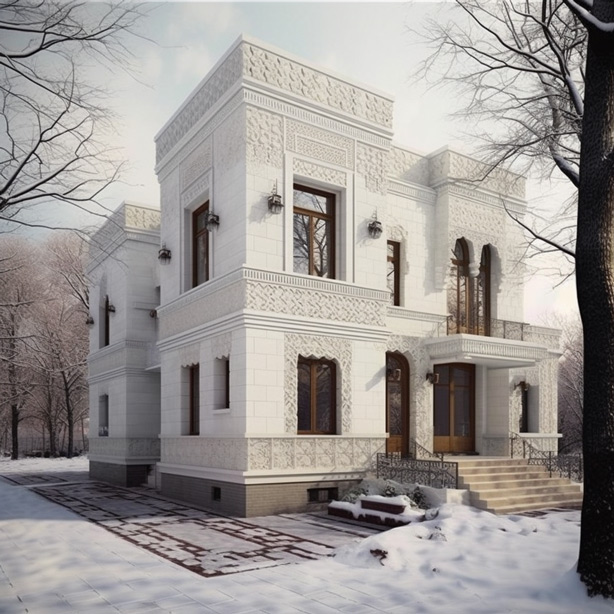
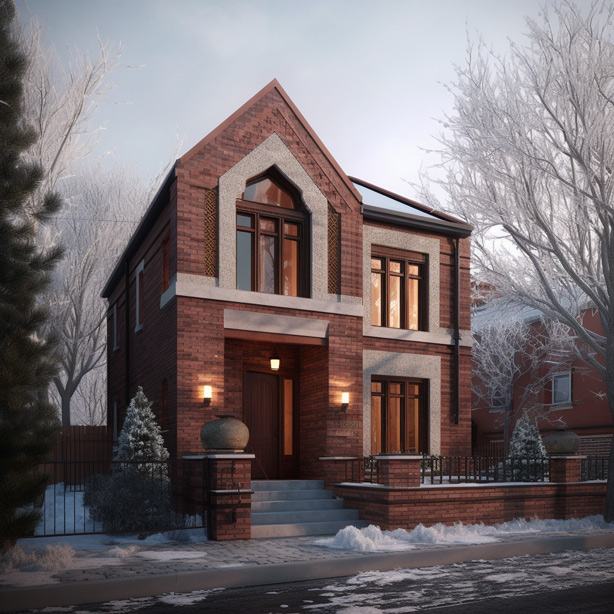
First, modern technologies and materials could be used to create more functional and environmentally friendly houses. For example, composite materials could replace traditional wooden cladding, making homes more durable and easier to maintain. Solar panels and other modern systems could also be used to cut energy costs.
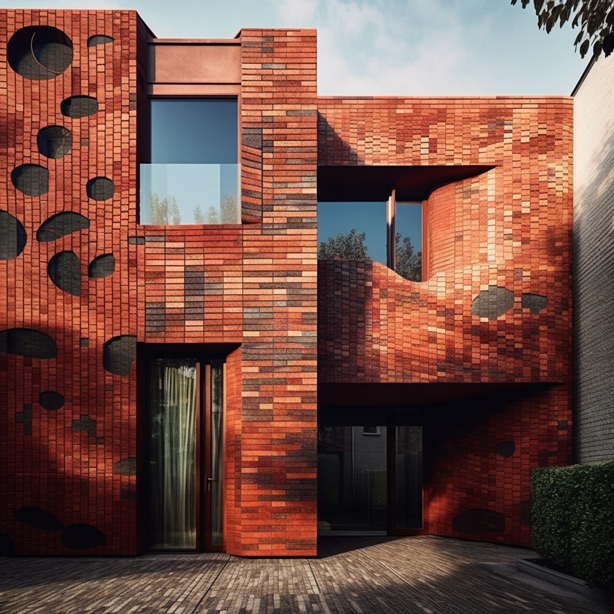
Second, you could design buildings in a more minimalist style, with simple, clean shapes and geometric elements. One of the hallmarks of Russian Art Nouveau is the use of patterns and ornamentation in decorative details. The architecture of the future could put these elements in a new context to give buildings a modern look. For example, square patterns or geometric ornaments could be used on building façades or windows.
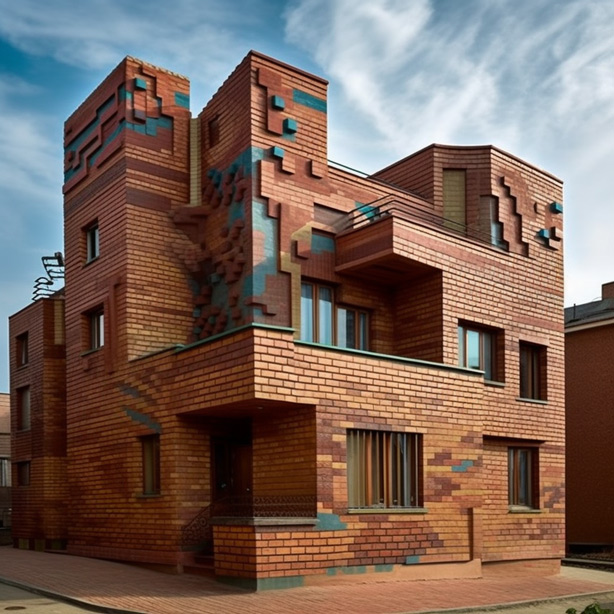
Third, the principles of the Russian Revival can be used to create more innovative architectural solutions. Russian ethno-futuristic architecture can incorporate various elements of national culture, such as wrought ironwork, carved wooden patterns, decorative murals and mosaics, painted wood, curved forms, moldings, carvings, and more. These elements would be combined with contemporary forms, techniques, and materials to create unique and memorable buildings.
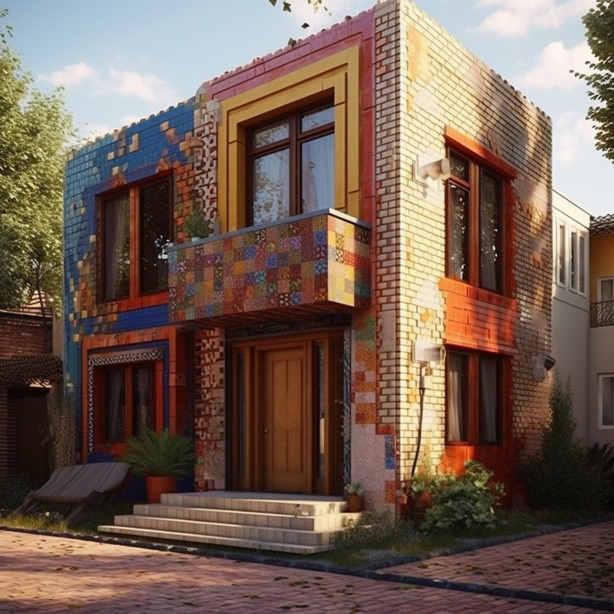
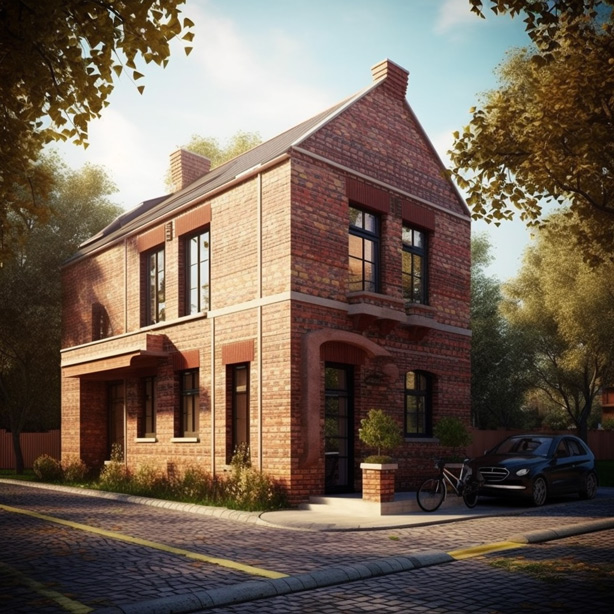
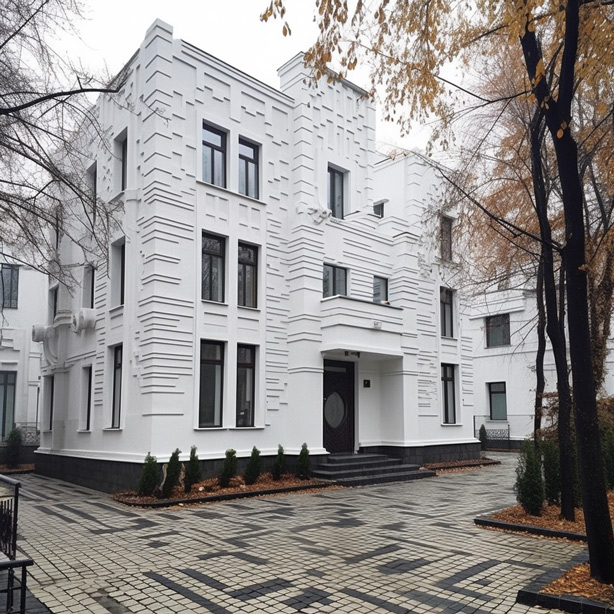
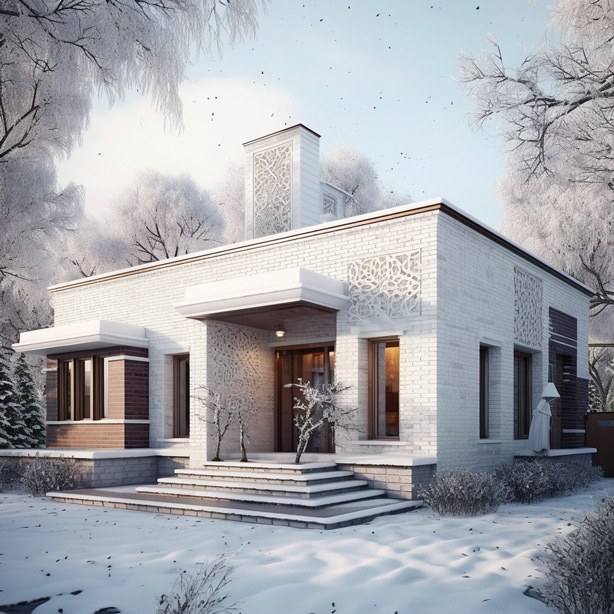
All the text and images in this post were generated by artificial intelligence.
Does its vision appeal to you? How does it line up with your view of the future of contemporary private architecture in Russia?
I think artificial intelligence is a valuable resource. These new tools can be very useful for imagining, visualizing, and designing the spaces of the near future, but it is still the human touch that determines the potential of everything we dream up.
Here you can see how AI envisions the future of architecture in other countries.