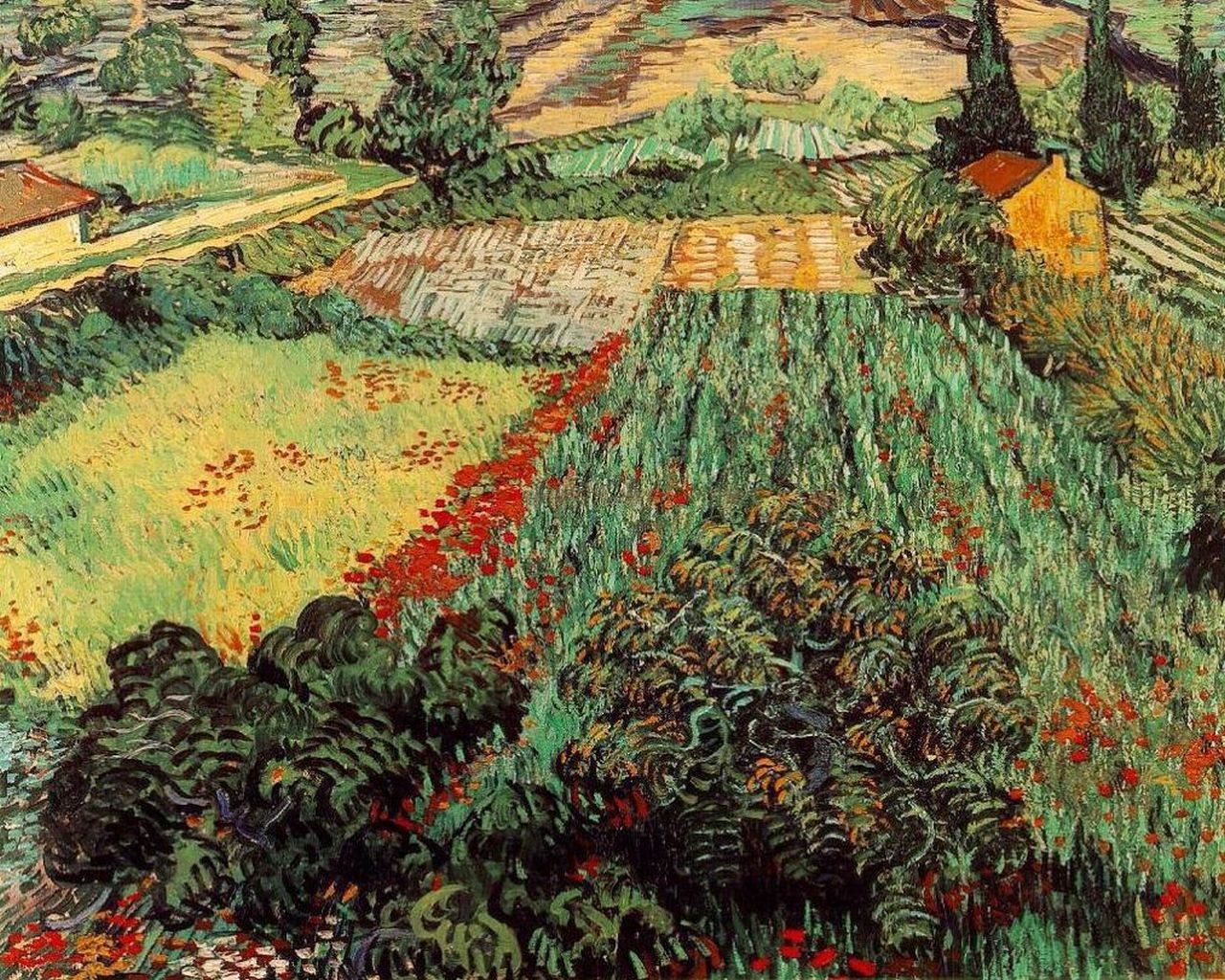
Provençal Homes
In the architecture of country houses, the French style is less in demand than the English, but it has always remained a favorite and a sought-after choice. A Provençal interior is a common wish for the inside of a house — but how do you give the exterior a matching look?
We design the facades of country houses and write about the stylistic features of one architectural direction or another. In today's issue — the characteristics of the Provençal style, the style of the rustic houses of the southern French countryside.
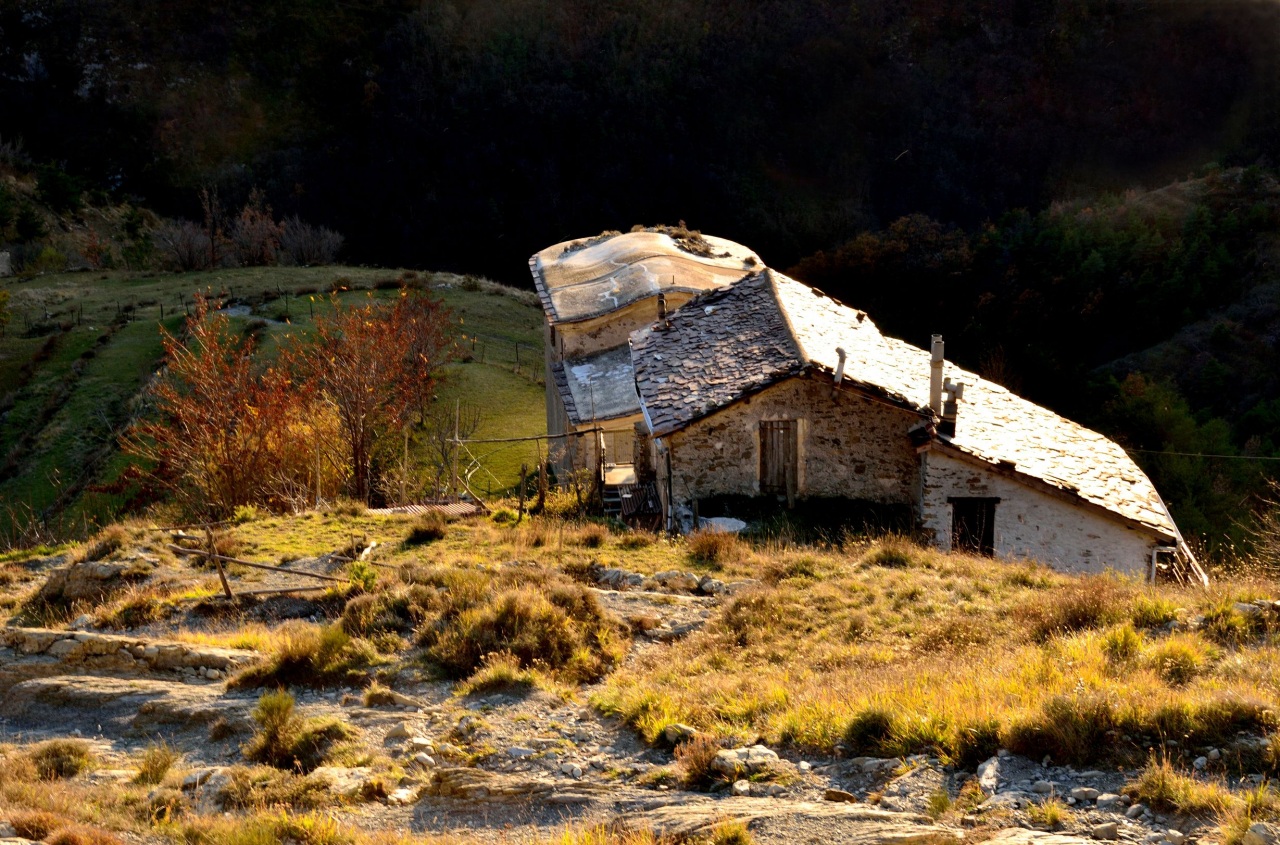
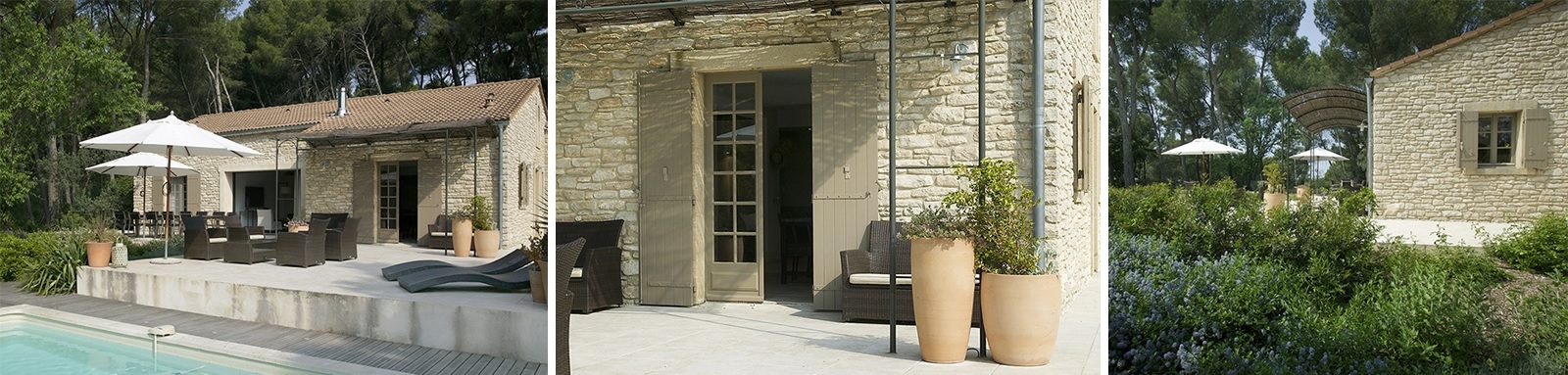
Provence is a southern province with plenty of heat and sun, so the style suits places with a relatively mild climate: an abundance of windows and so-called "French" doors do not retain heat very well, so the thickness of the glass should be considered as early as the facade design stage. And there should be plenty of light in the house!
Despite its outward simplicity, Provence will seem too sentimental to fans of minimalist high-tech, because the nature of its restraint lies in the archaic rather than the functional. So the temperament of the owners should match the spirit of the style: Provence is for those who value naturalness, can see the beauty in everyday life, are in no hurry, and want to enjoy every day.
And of course, the French house is a family nest — the older it is, the more pleasant and cozy. Provence does not tolerate gloss or a buttoned-up, polished finish; here everything is steeped in tradition, an established way of life, and tranquility.
What are the features of the Provençal style?
It begins with attention to detail. With a general spirit of simplicity and the archaic. With the ability to love the present and to preserve what is here and now.
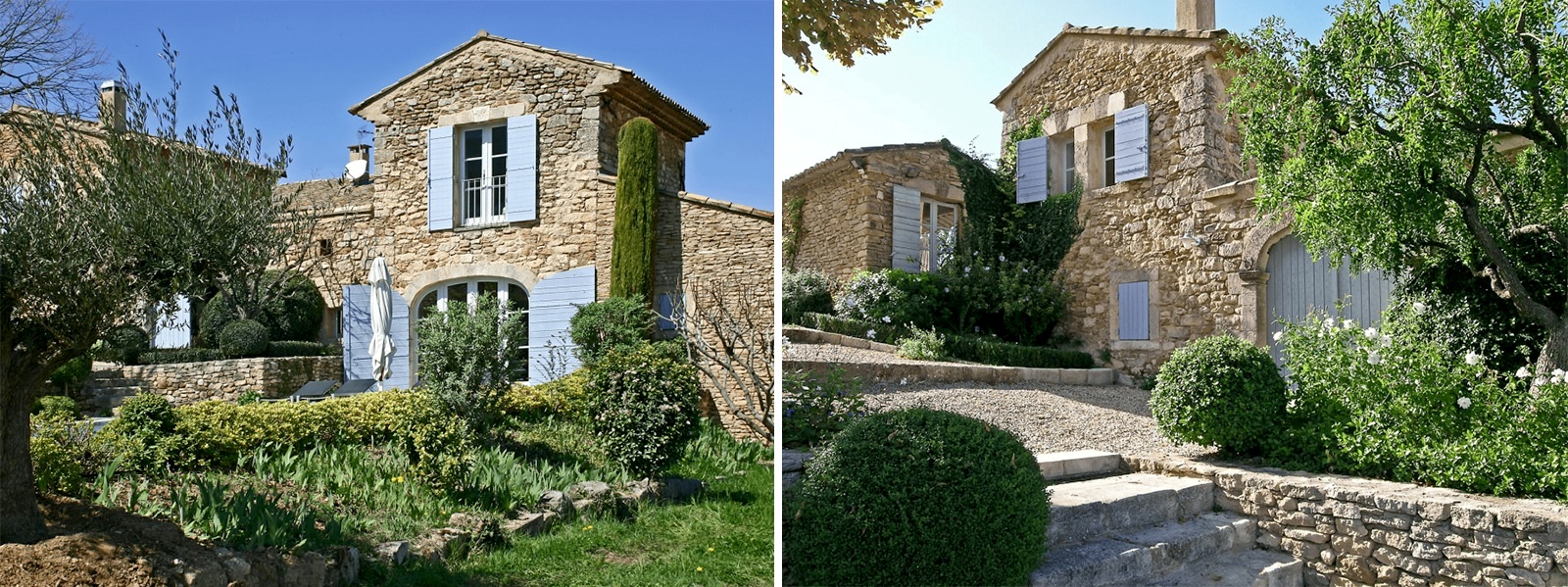
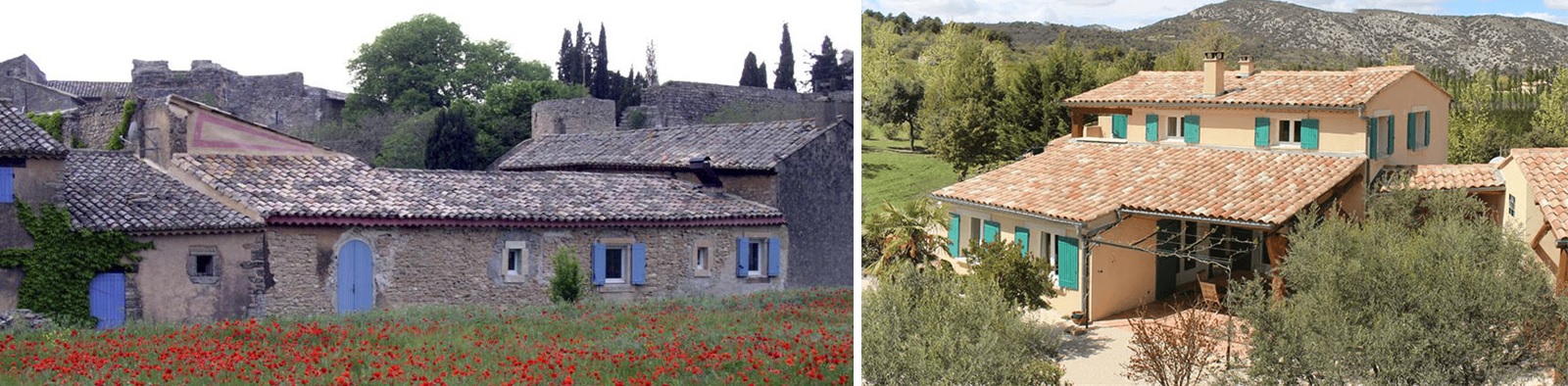
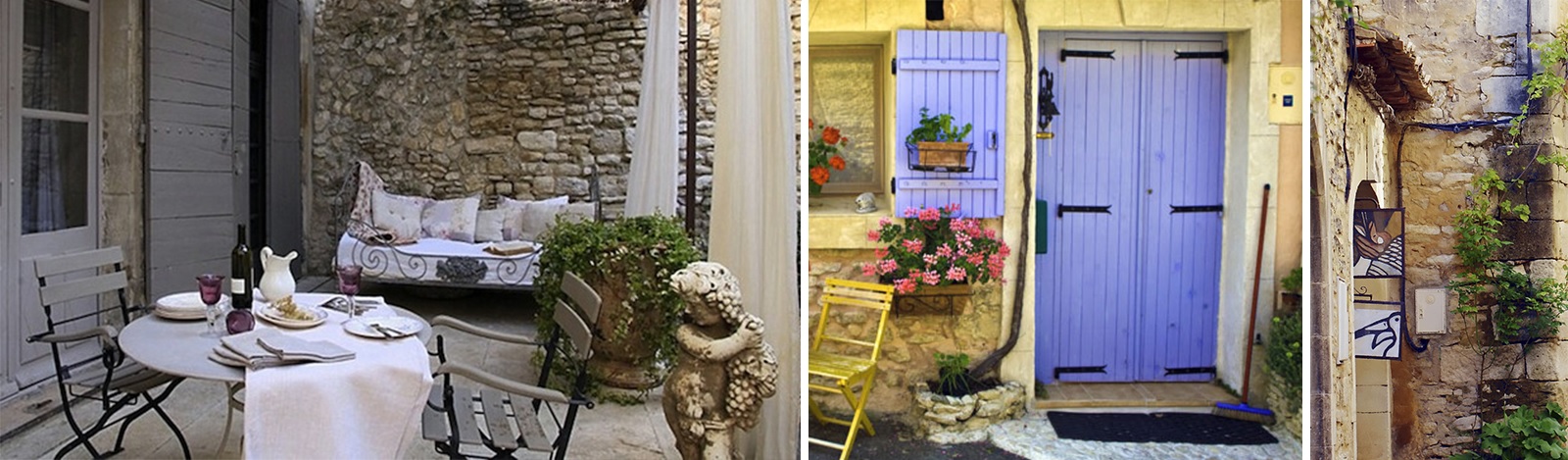
Hence the muted color scheme: soft, seemingly faded colors and pastel shades — ochre, beige, milk, coffee, terracotta, lavender — with bright color accents on the details (favorites among them are blue and yellow, the colors of Provence).
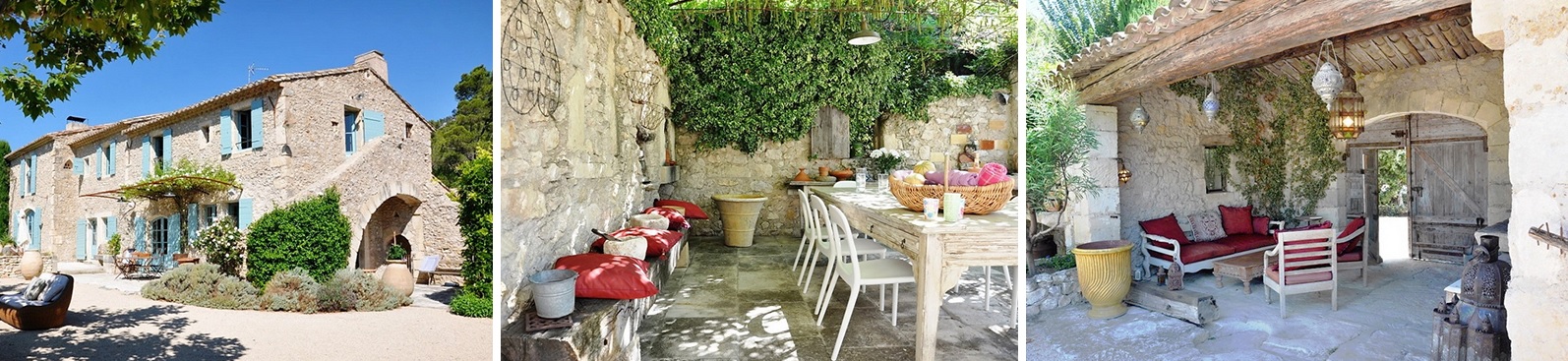
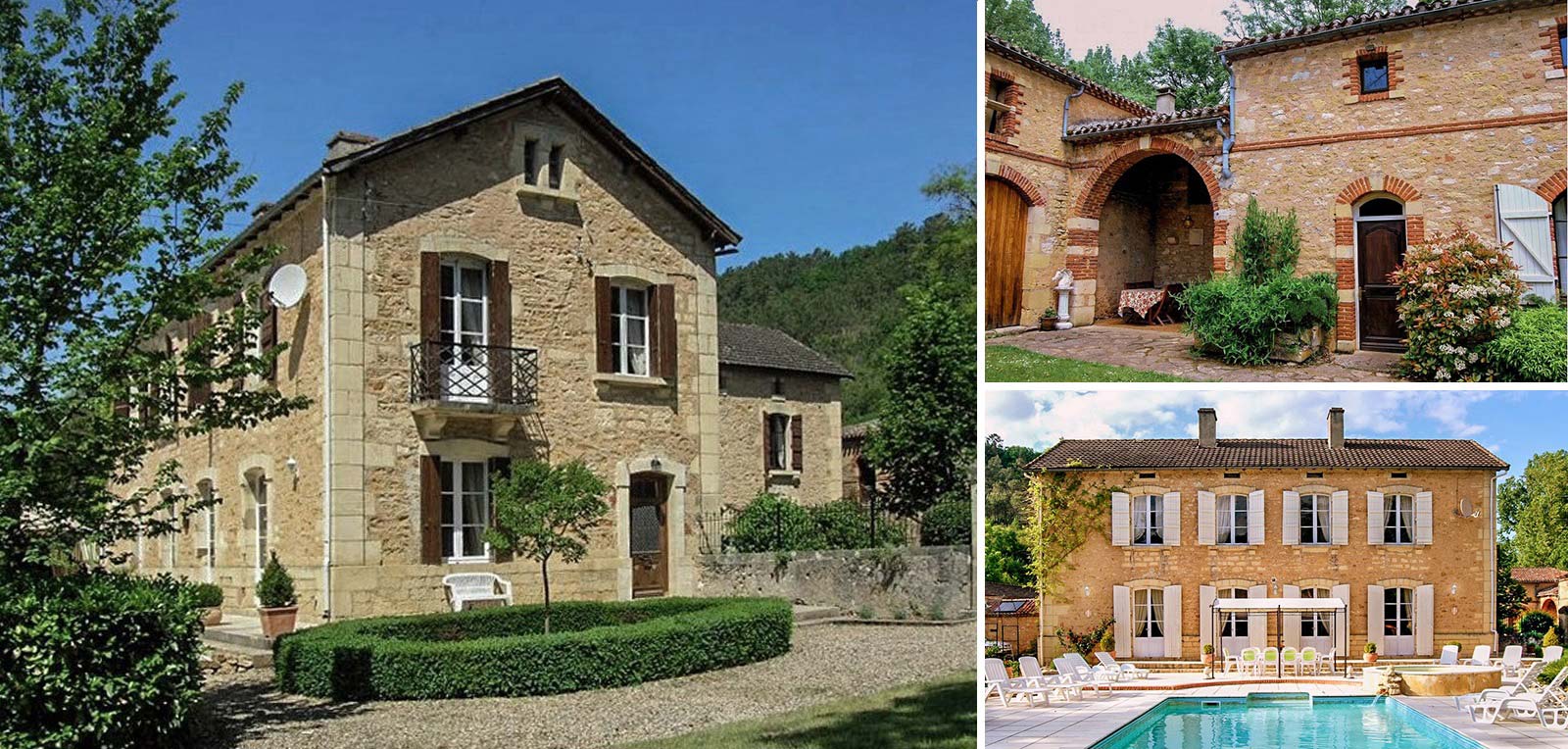
Hence the materials used to finish the facades, which must be natural yet artificially aged: wood, stone, ceramics, and woven fabrics, combined with wrought iron details and plant motifs. They create a carefully preserved — and often deliberately maintained — sense of age.
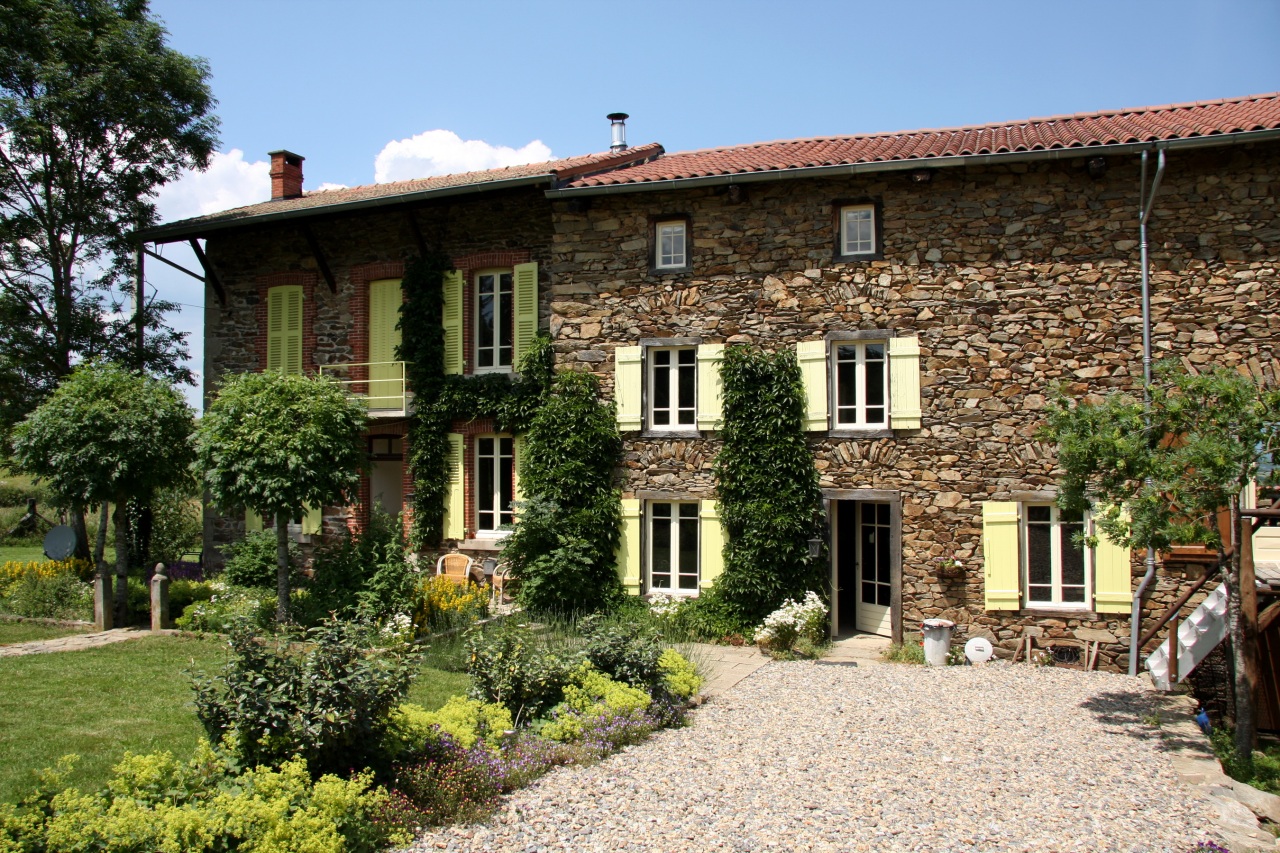
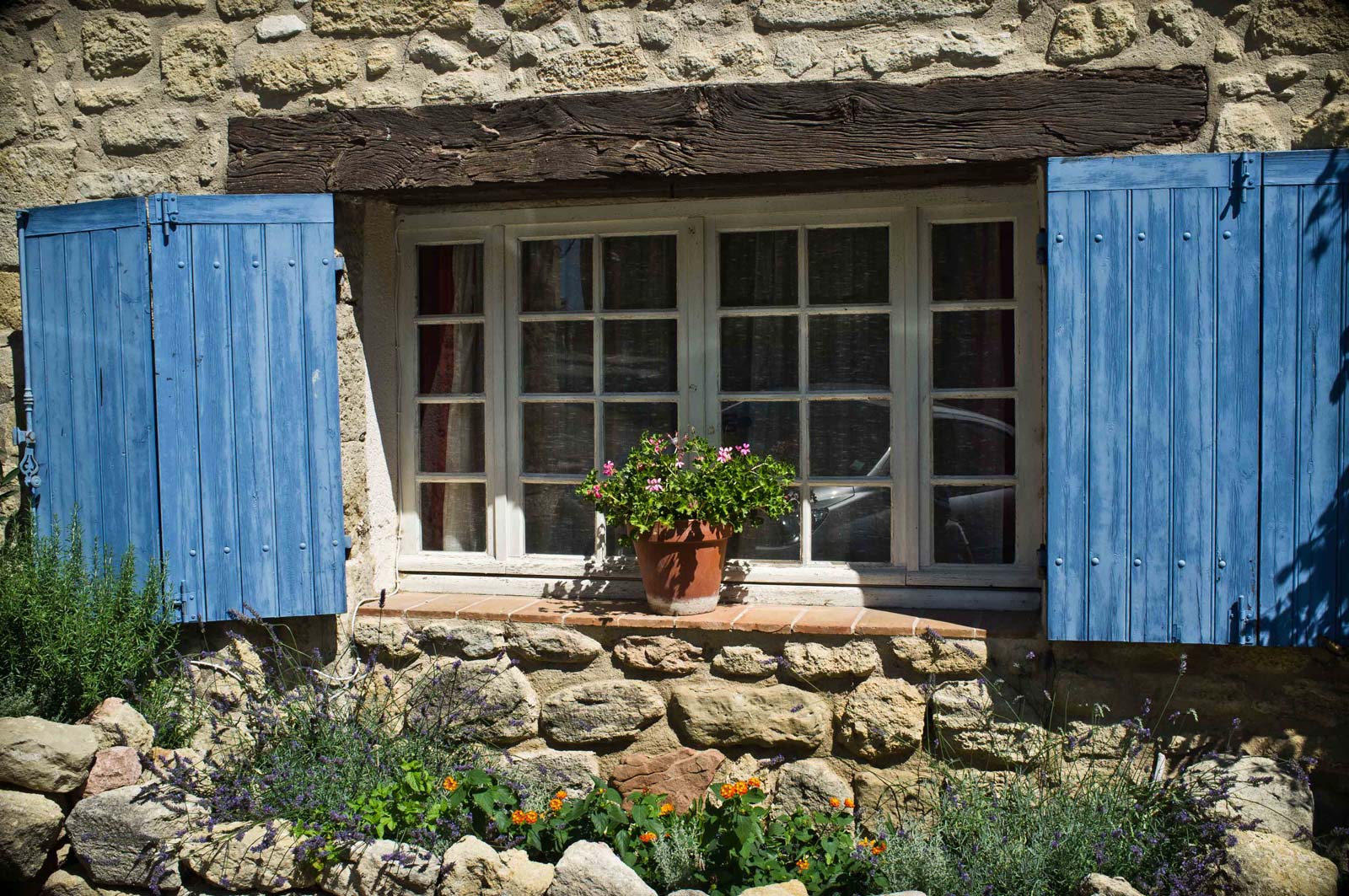
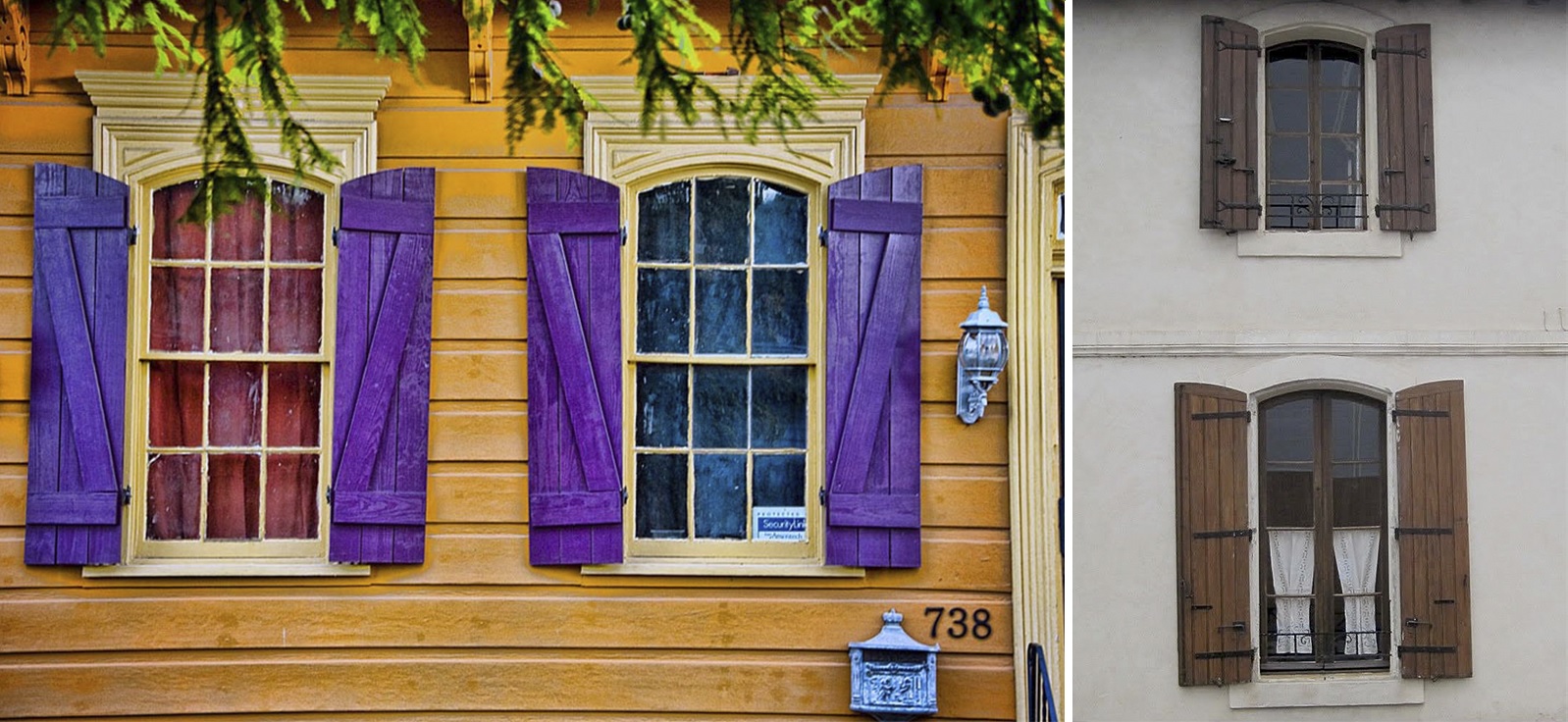
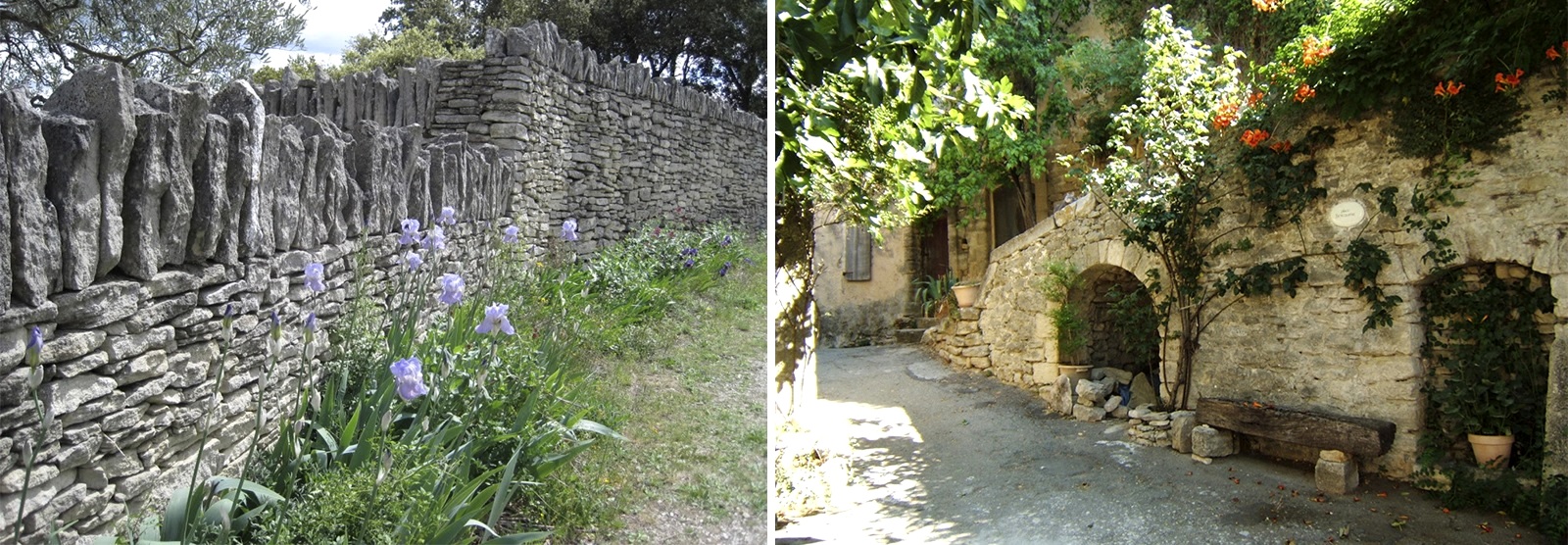
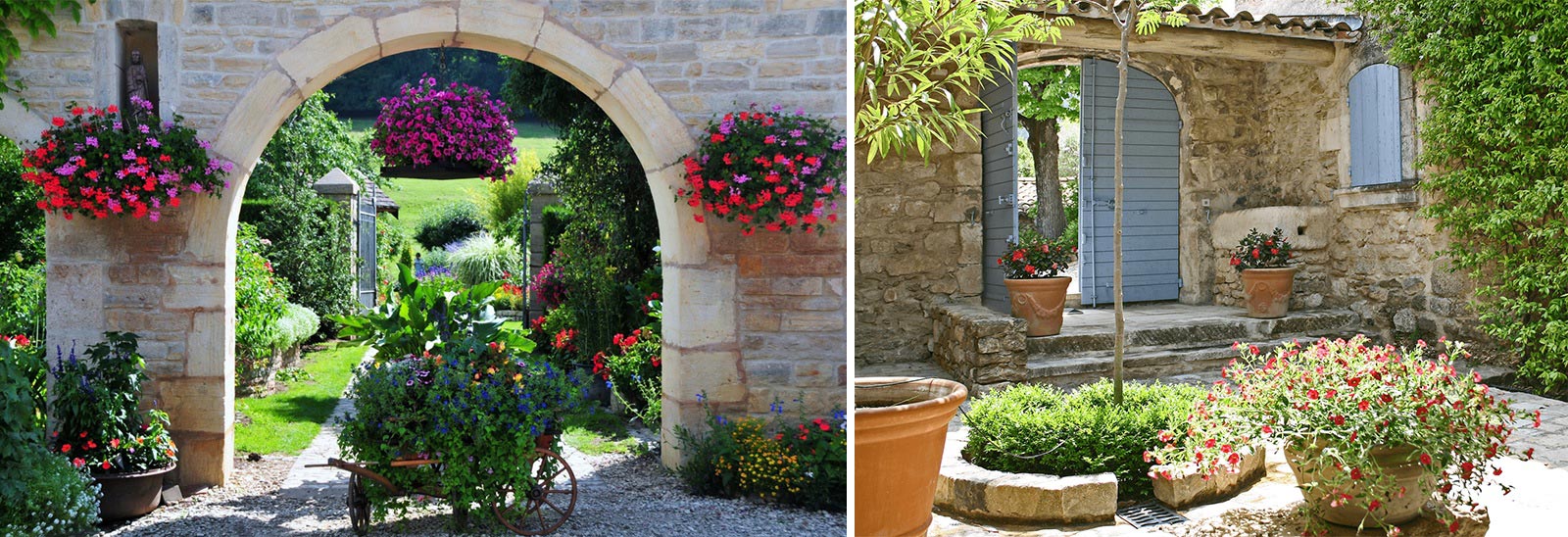
Hence the rough, often unplastered walls with large masonry and wooden beams, the simple forms, and the spare facades. Fences are made of rough stone. Wooden shutters on the windows, French doors, tiled roofs, and an abundance of greenery in the tiny gardens or on the terraces complete the picture.
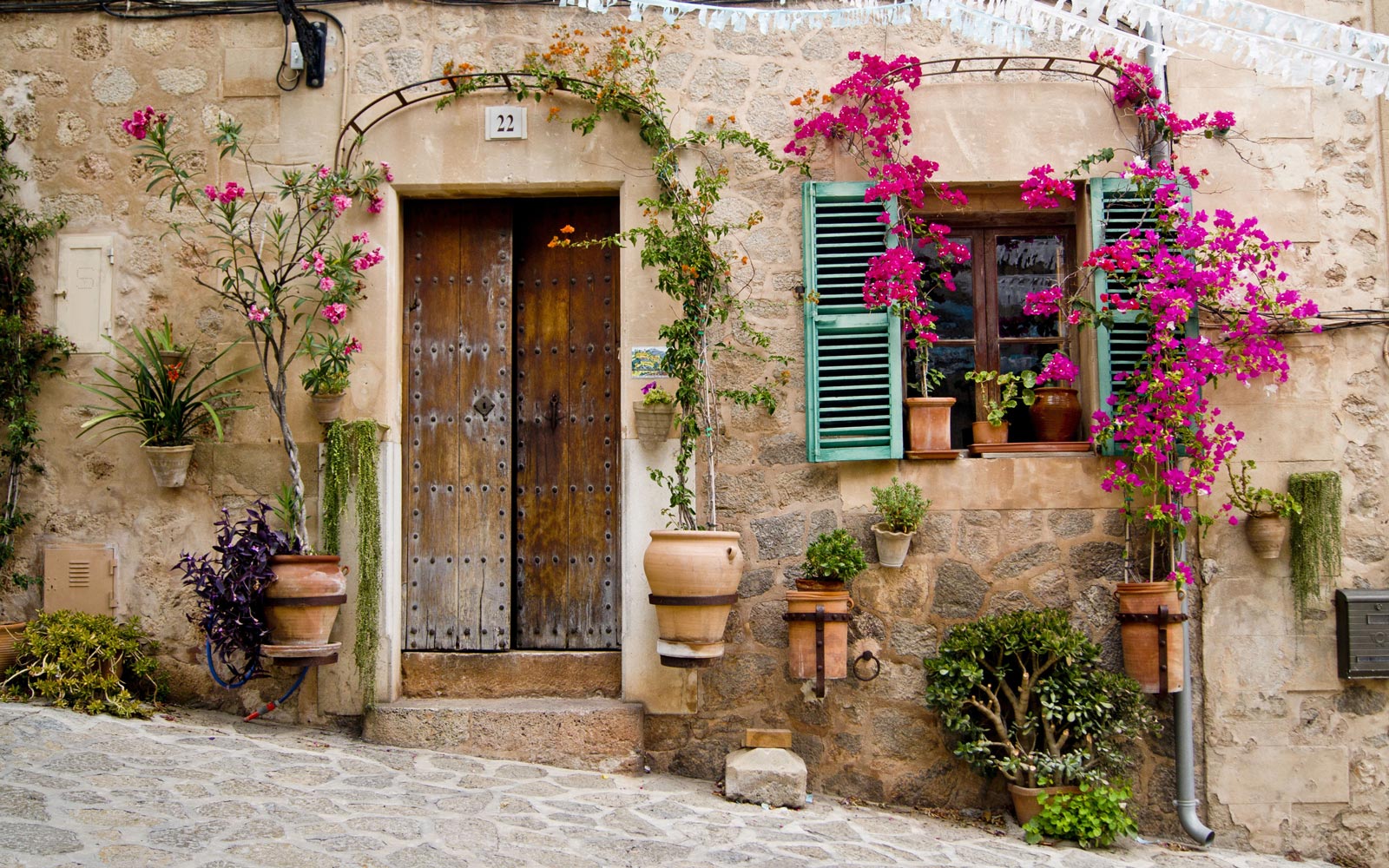
The key idea of the Provençal style is simplicity and closeness to nature. So the sense of the house belonging naturally within its garden is extremely important. Fences laced with climbing plants (not necessarily grapes!), simple flowers in pots on the windowsills and by the doors, and wicker chairs beneath flowering trees — all of this creates a feeling of the patriarchal stability of the world. The fewer rules and the less ostentatious beauty, the better.
WORKSHOP
How to apply the Provençal style to your cottage?
- Use natural materials to finish the facades — brick, unpolished stone in light colors, perhaps unplastered surfaces with a whitewash. Keep rustication, brick, and other decorative frames in the tone of the walls. If the house is old, restoration should try to preserve the natural wear of the plaster and joints (fragments can be left as they are).
- Keep decorative elements on the facades to a minimum. Focus on the window shutters and doorways. Wooden elements should never gleam with fresh paint, but should have chips and wormholes, and wrought iron parts should show a noble patina. The "craquelure" effect (the illusion of a cracked surface) is good for creating an antique look.
- Use sand or ochre shades in the decor, placing bright color accents on the important details.
- Install windows with small wooden sashes, and style the doors as heavy wooden ones with cast iron hinges.
- Lay the roof with mottled (preferably natural) tiles of uneven color.
- Order wrought iron decorative elements (we described what they can be here).
- Set up a small garden of simple potted plants under the ground-floor windows or at the entrance. Where possible, use natural stone to pave the areas and paths as well.
- Use rough stone and climbing plants for the fences.
- Order a facade decoration project from us.
Features of the Provençal style in detail
The Provençal style as it is