Online voting results for the Baumit Life Challenge 2020 are in. The most beautiful European house facades, according to the public vote and the professional jury
In the public vote on the Baumit website, the top 10 privately built facades were:
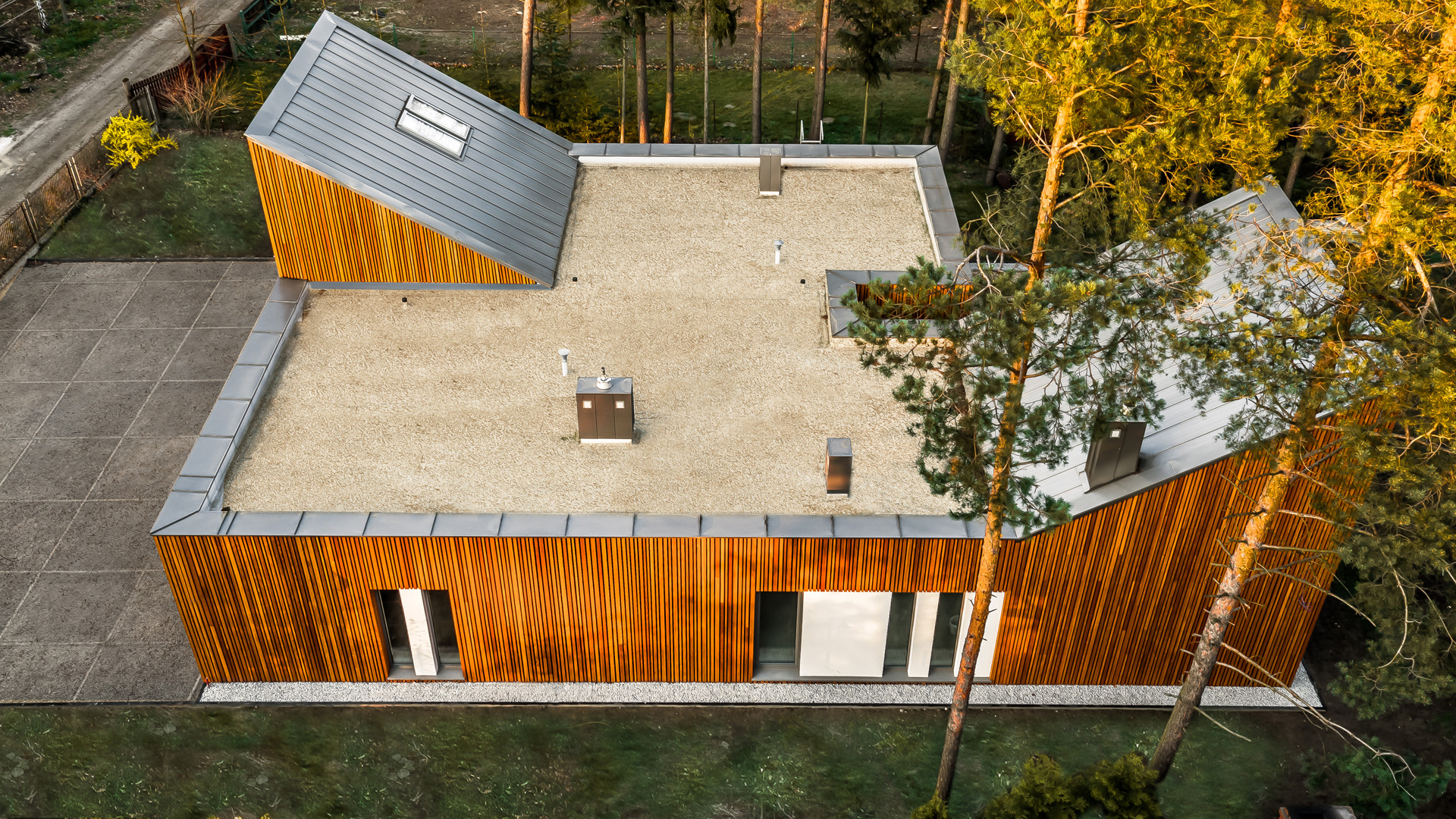
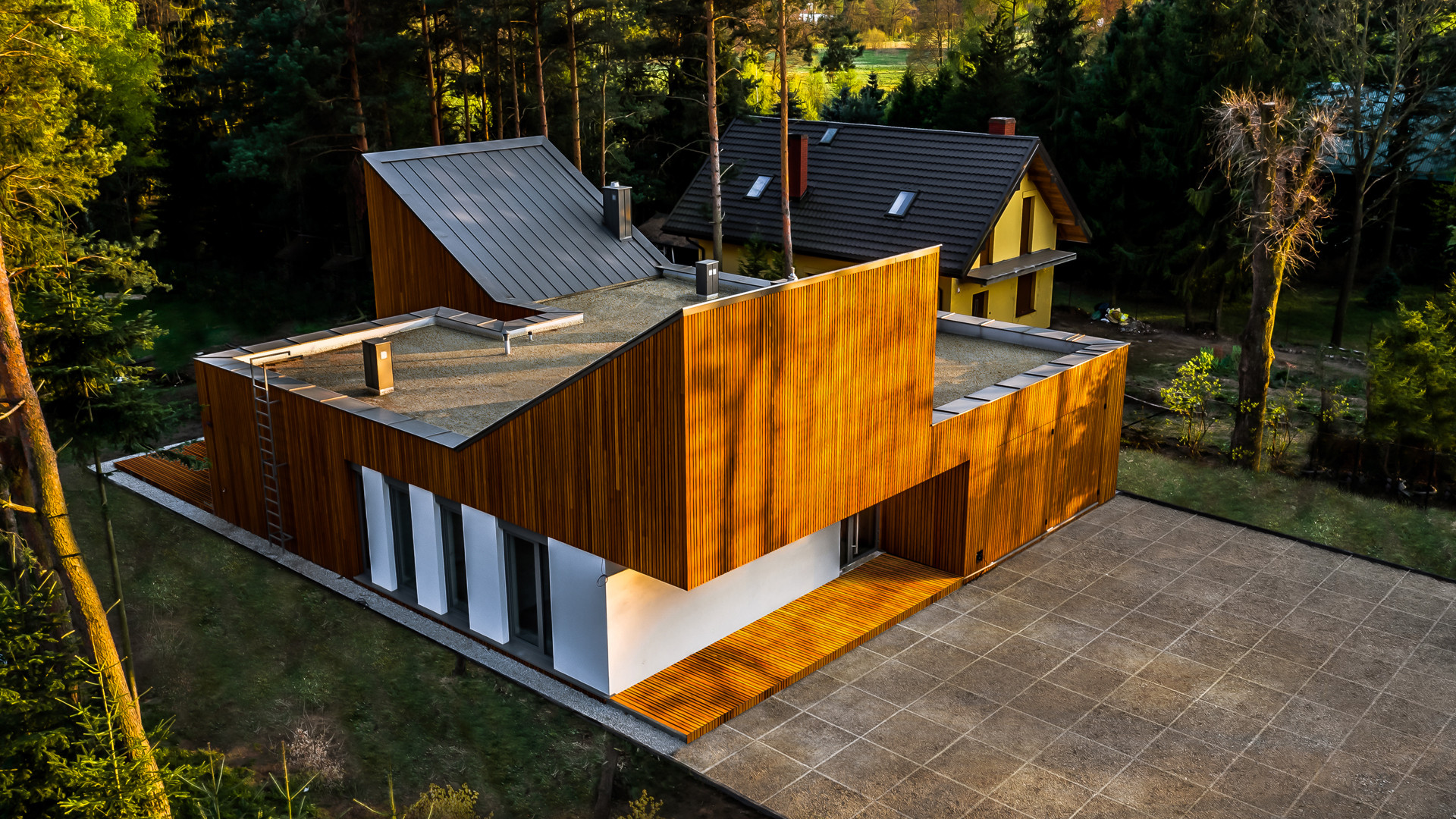
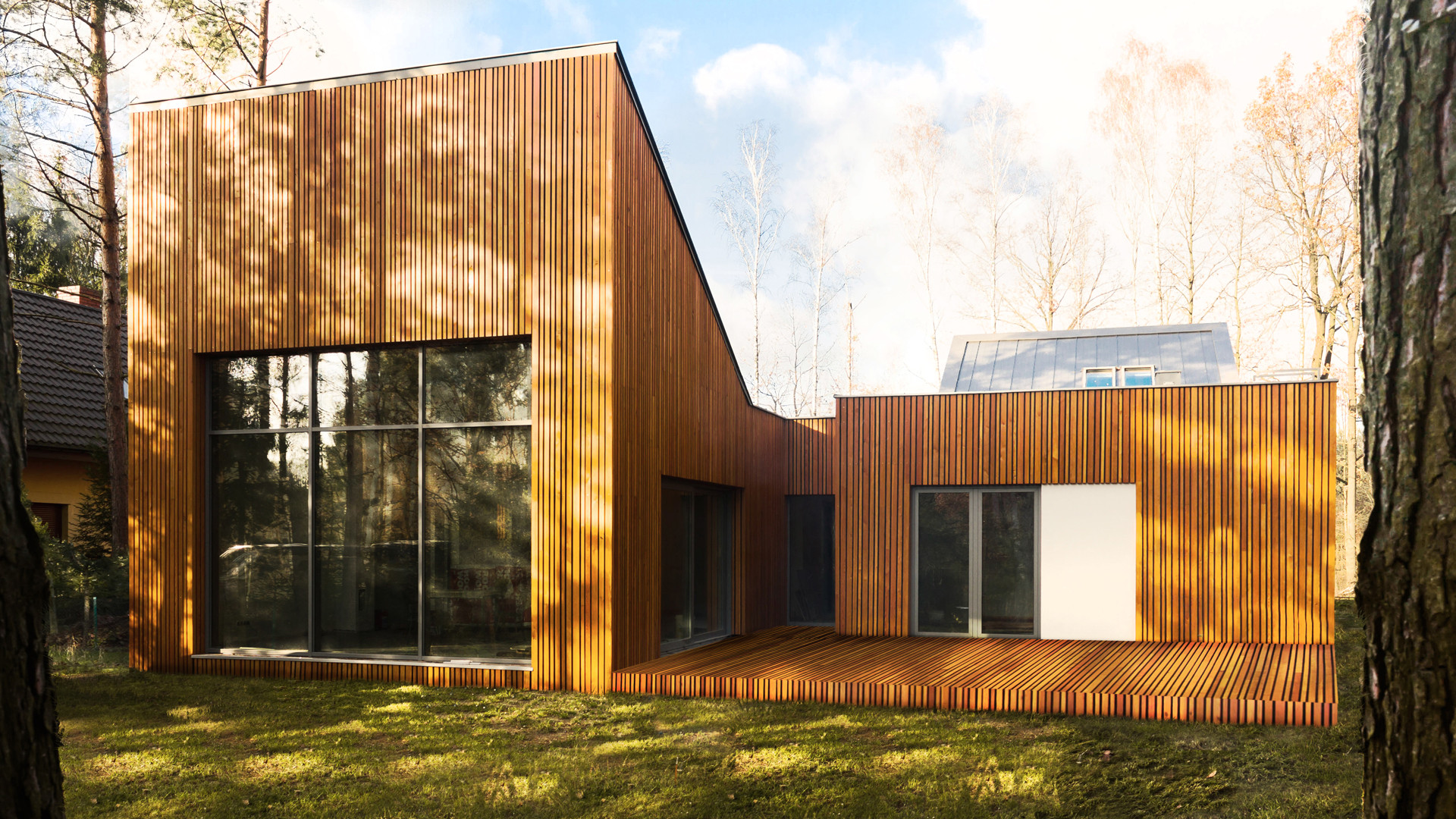
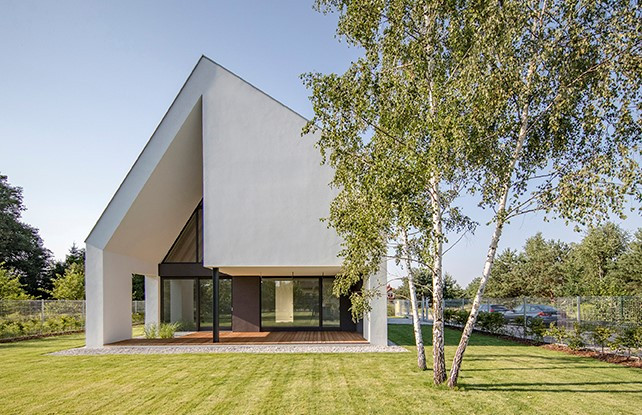
First place went to Forest Kuznica — a design by the Polish studio GRUPA VERSO.
The starting point of the project — the setting, with the forest setting the tone for everything from form to decoration. The glazing on the garden side lets nature visually flow into the interior space. The simple block-like architecture is enlivened by the sloping roof.
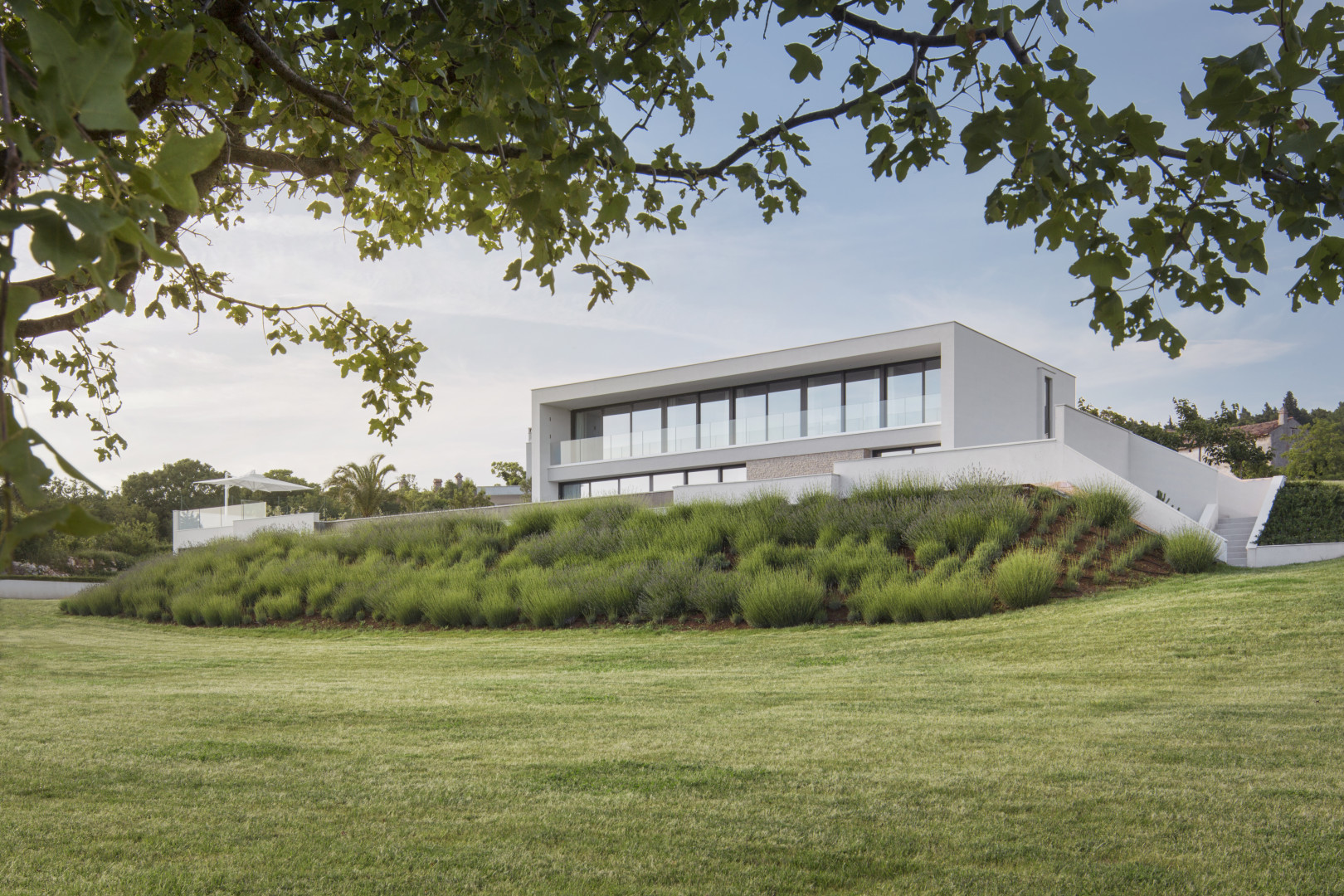
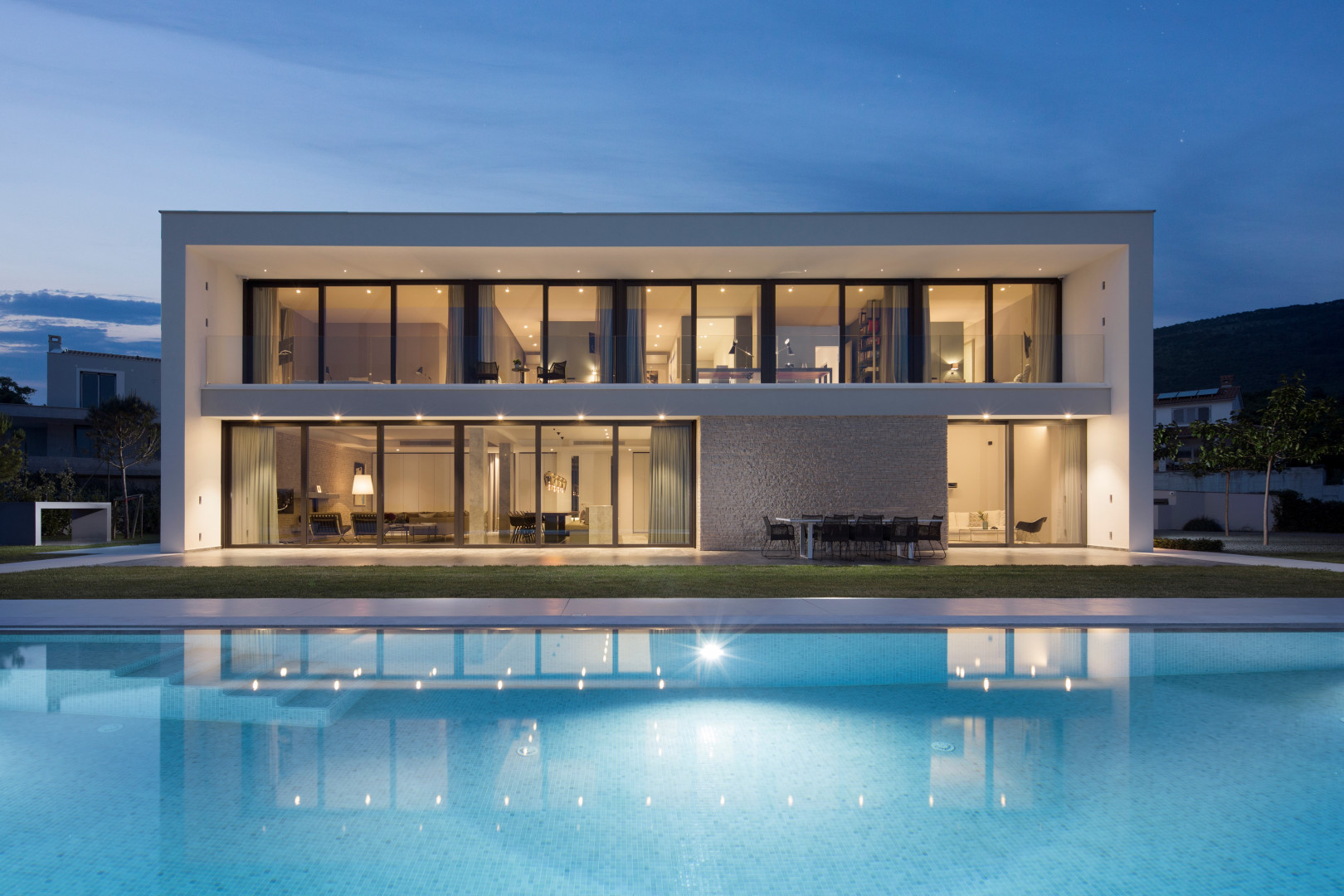
Second place — Villa Sveti Lovreč, a project by Indigo arhitektonski studio / Dean Peteh.
A villa in Croatia. Quite understated, but with a claim to the luxury segment.
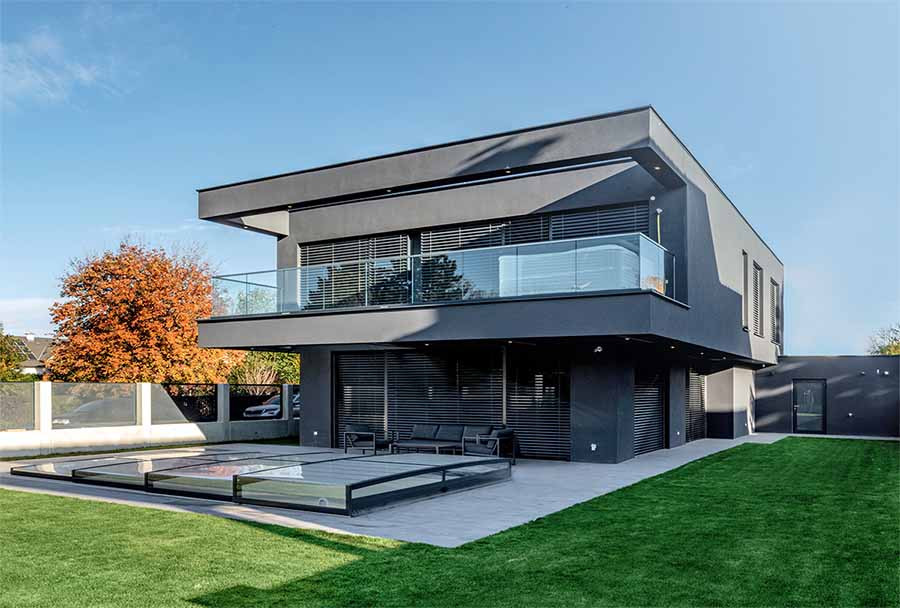
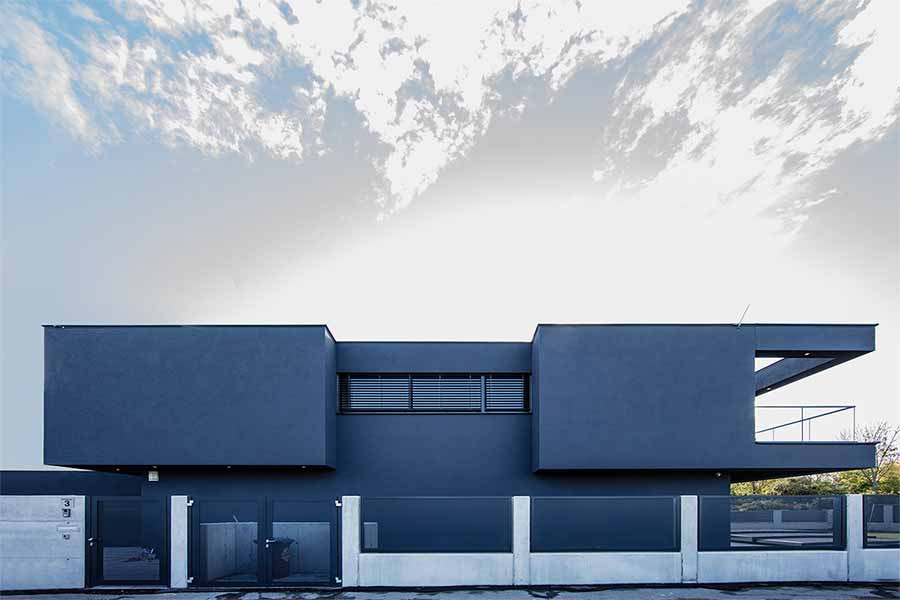
Third place — G 23rd district.
The facade of this modern house in Vienna, near the cemetery, was painted black (you have to appreciate the owners' sense of humor).
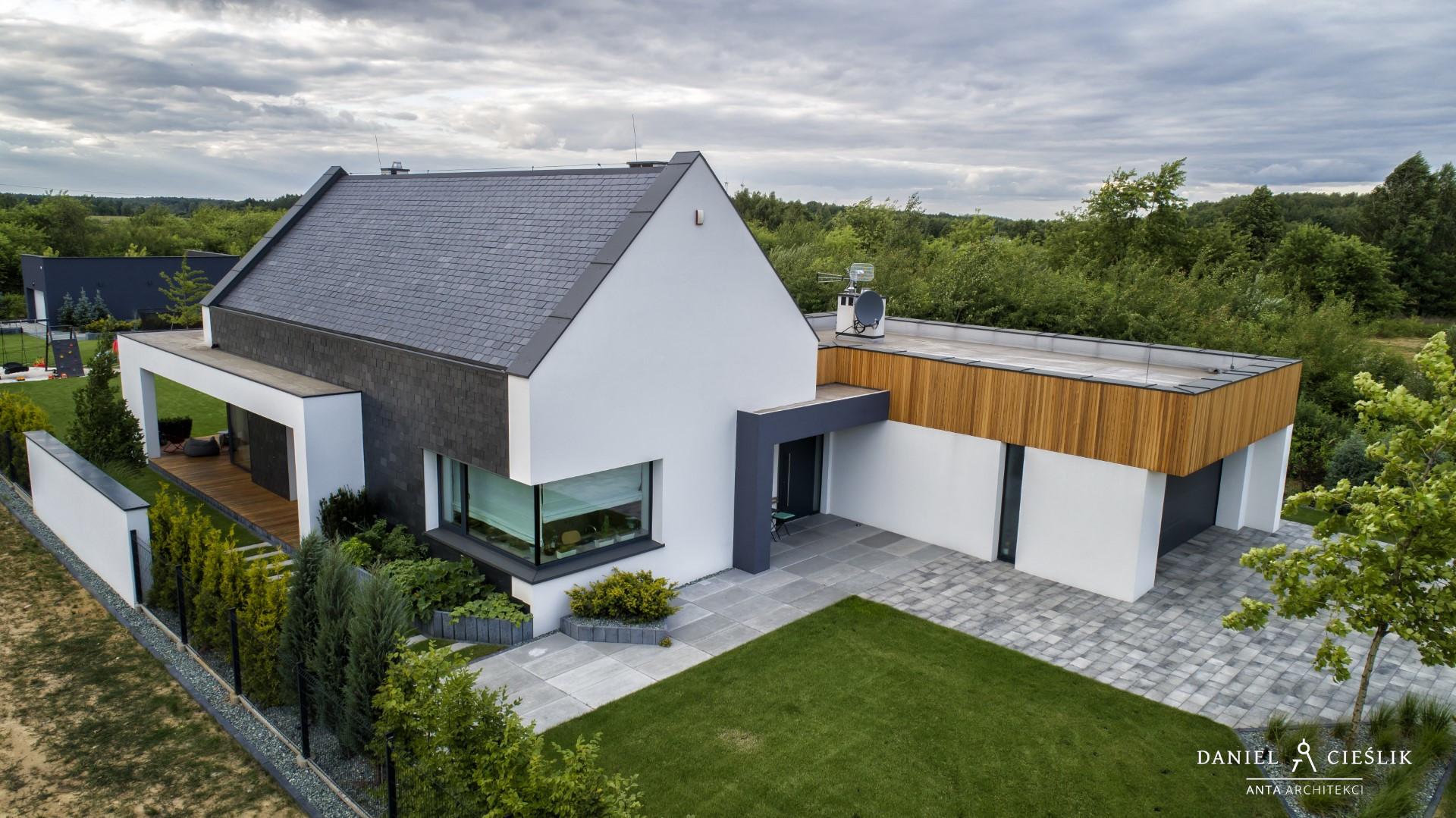
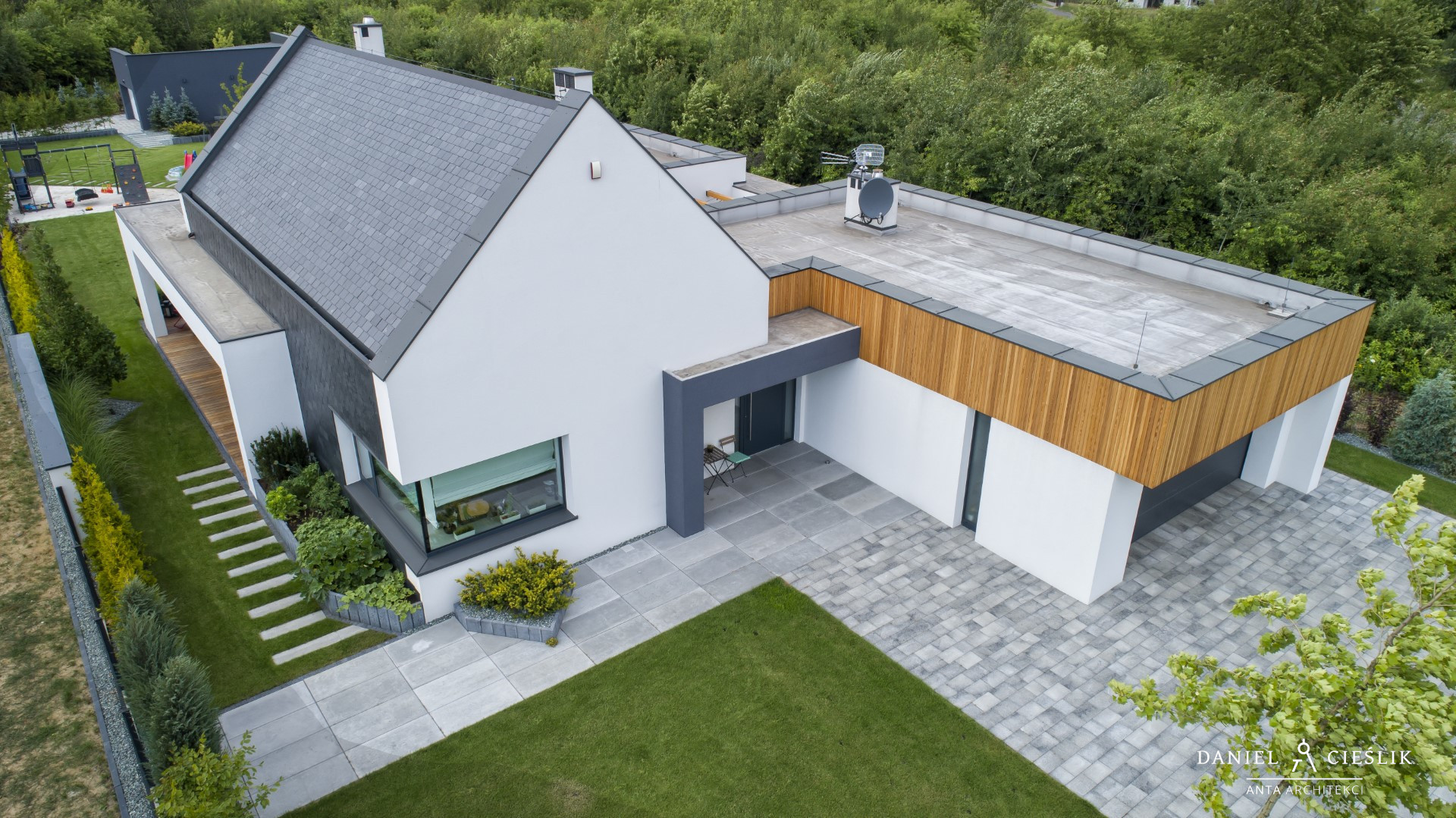
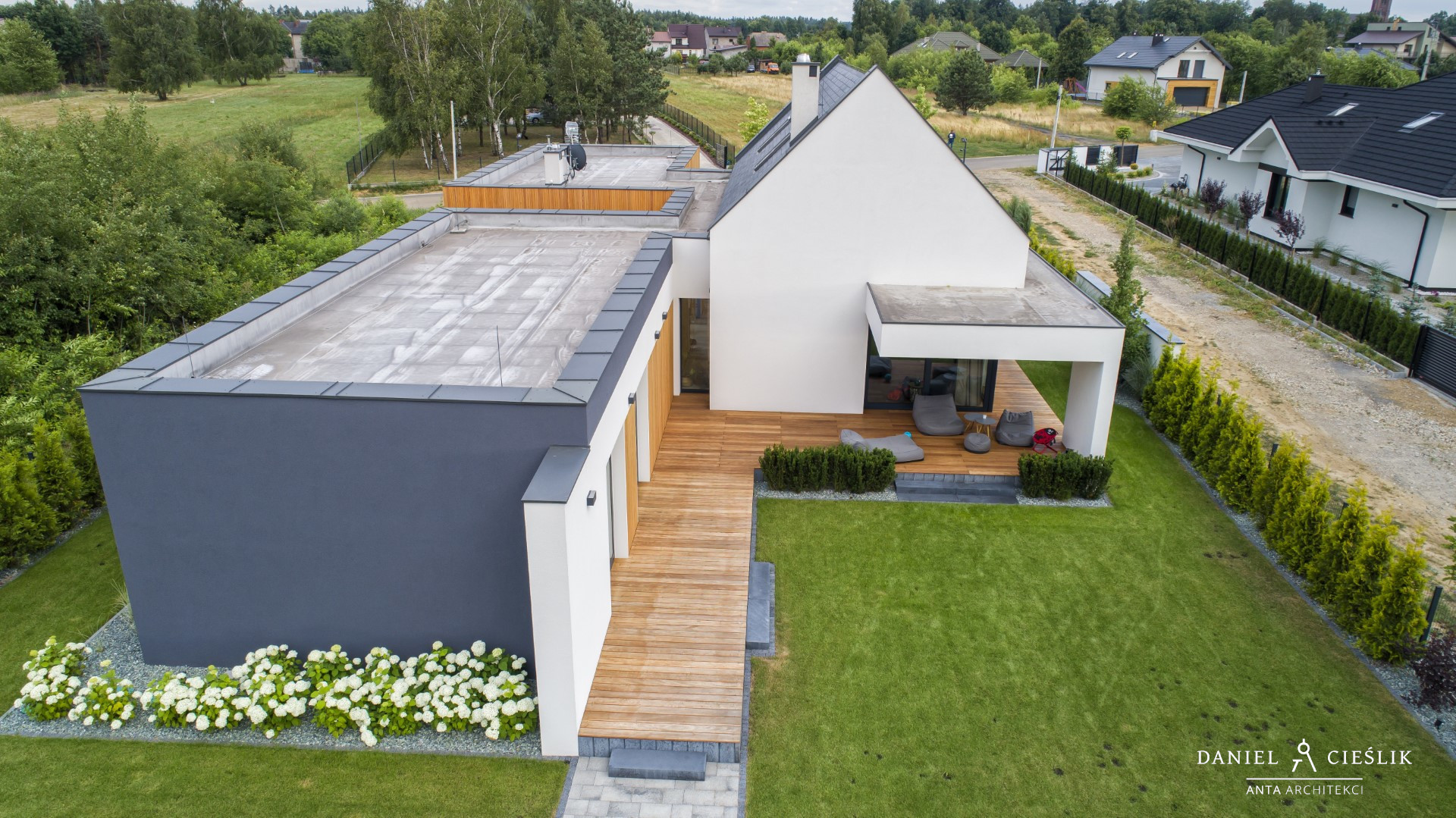
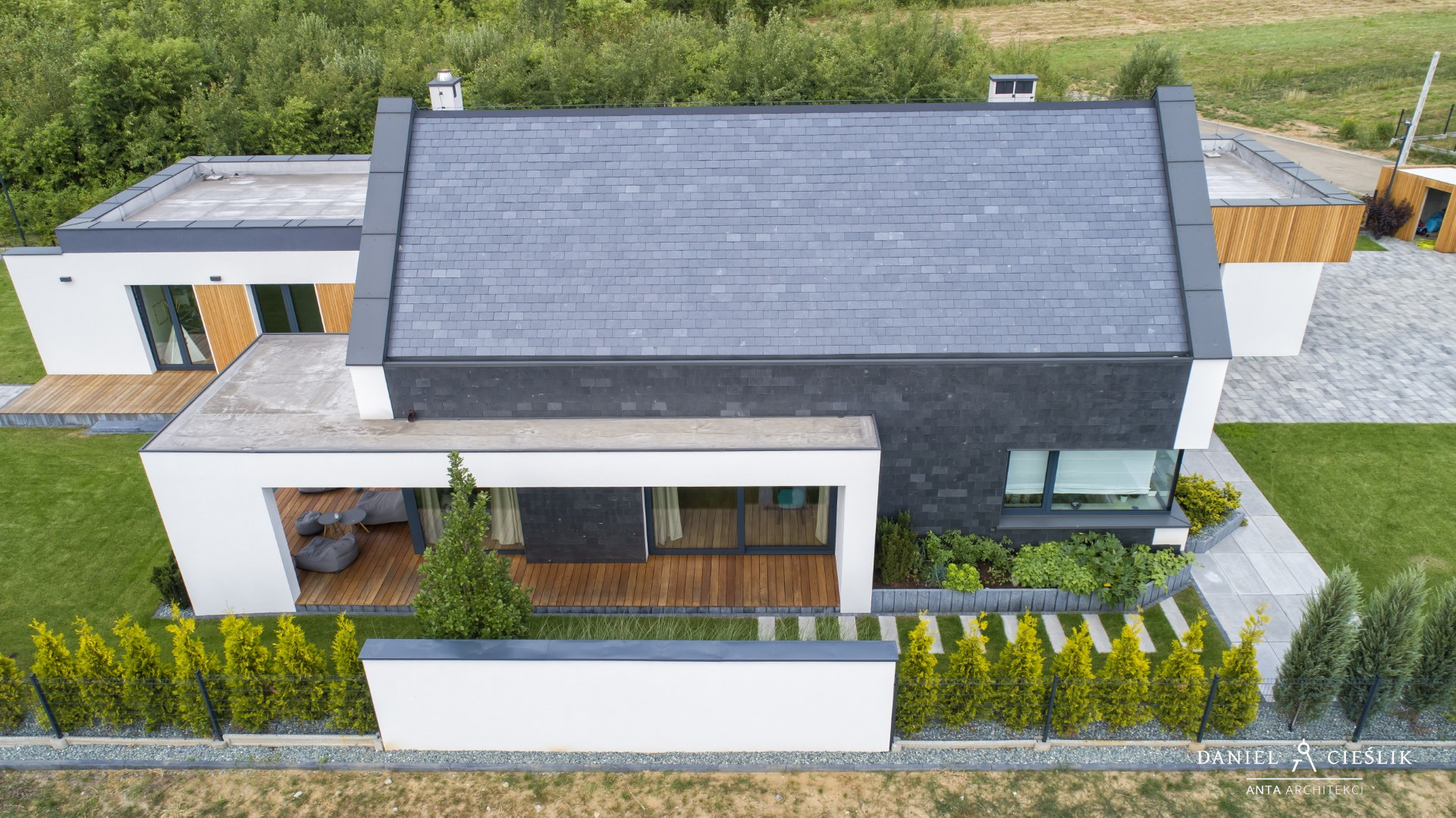
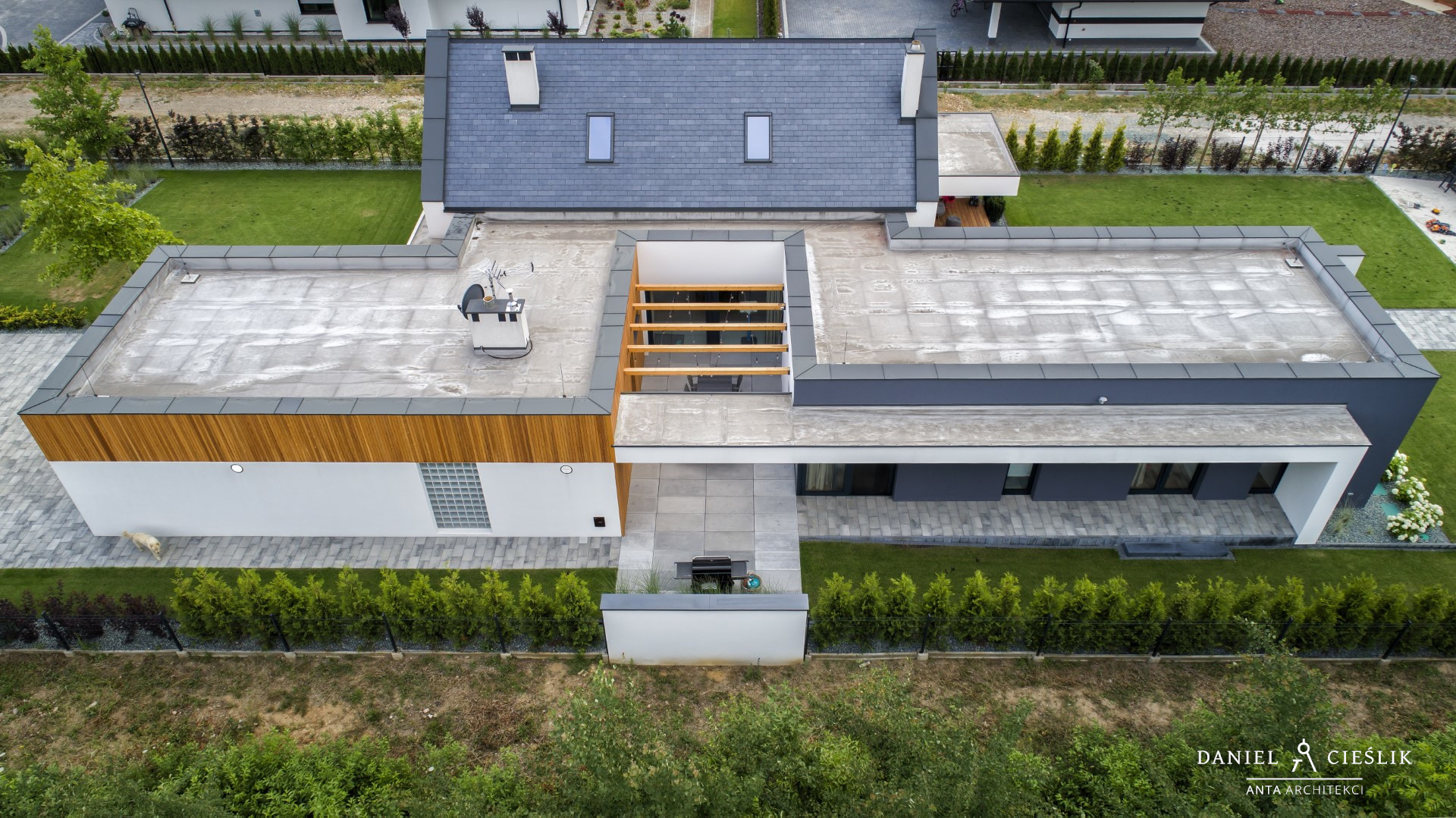
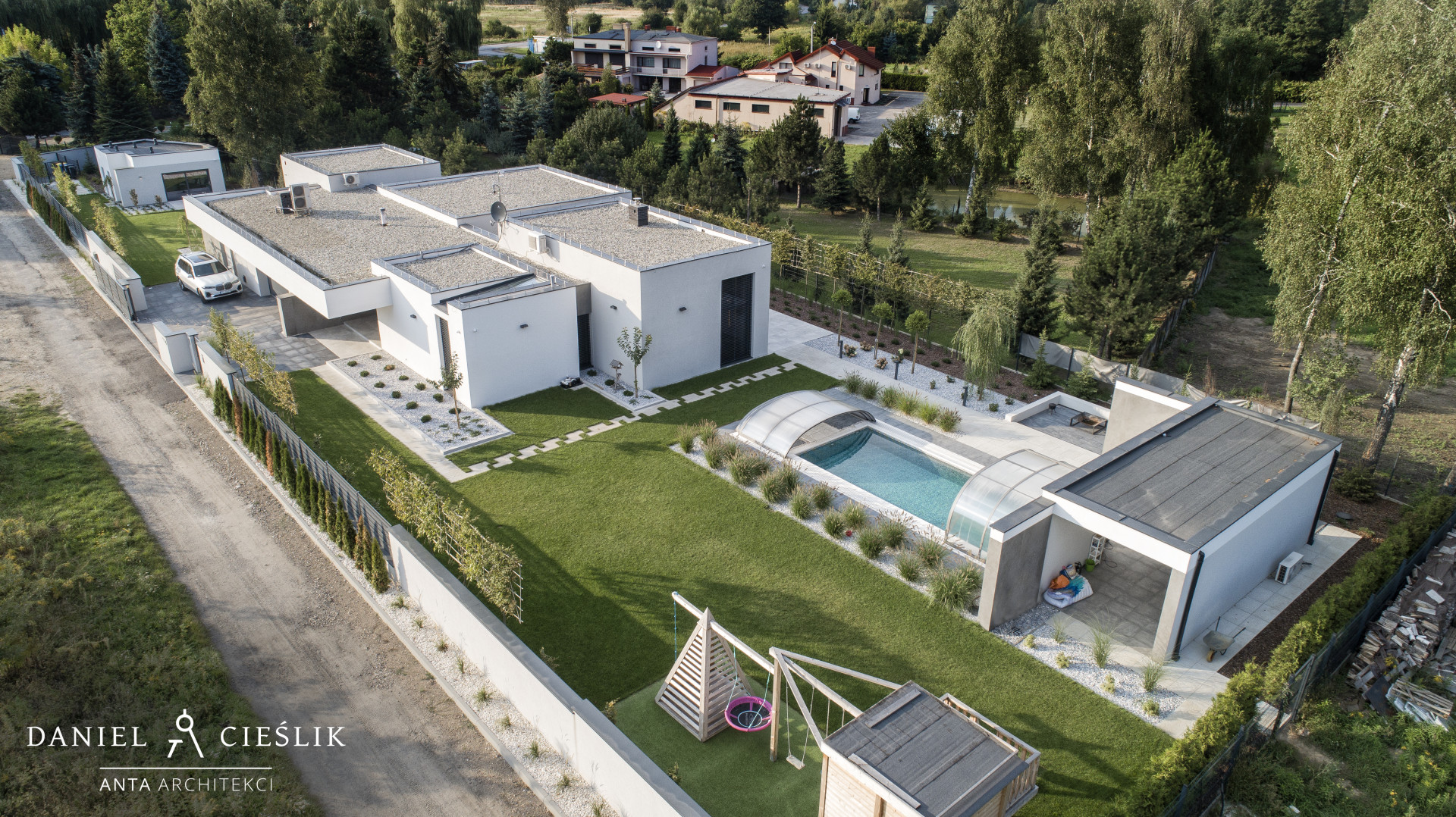
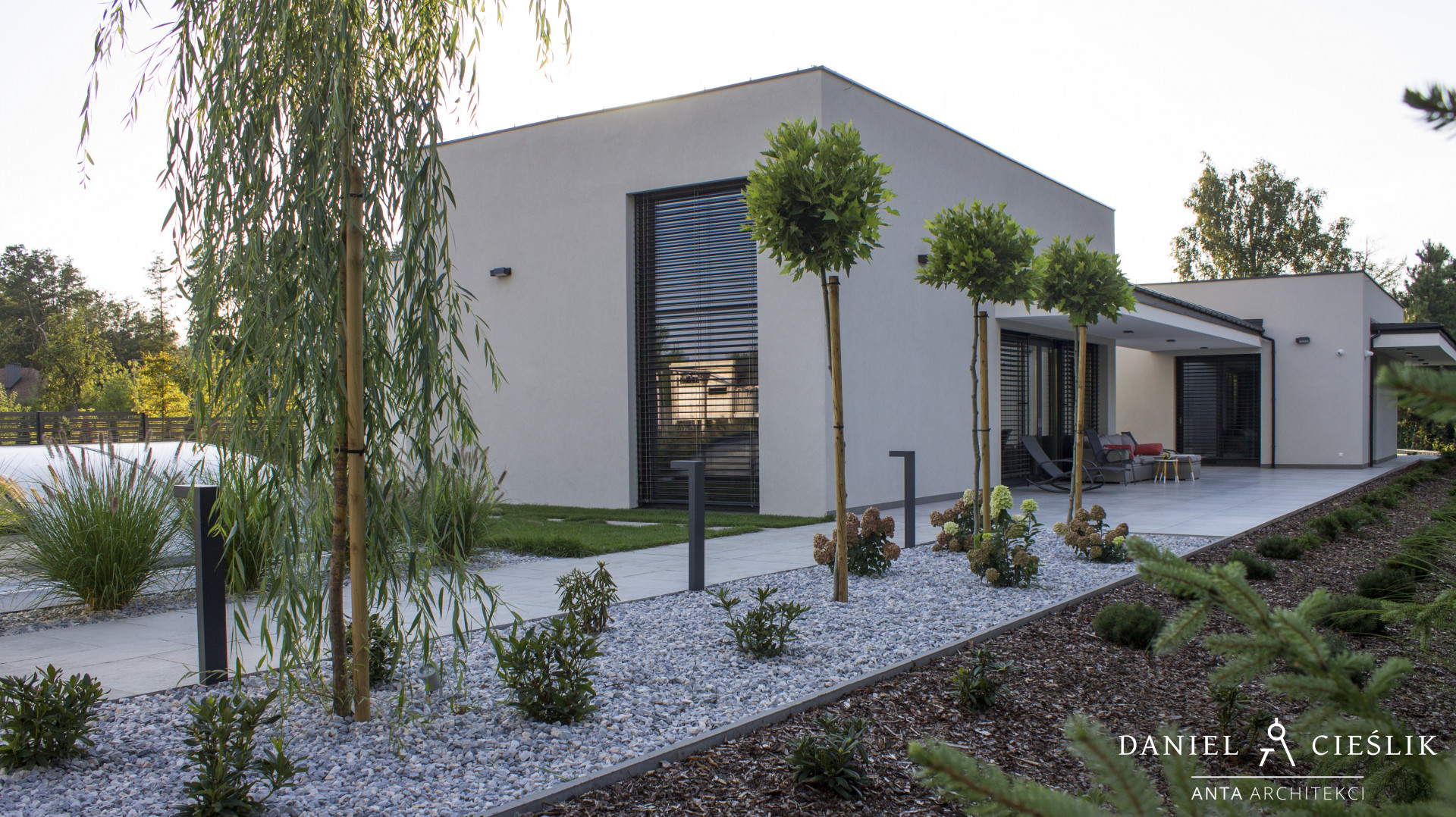
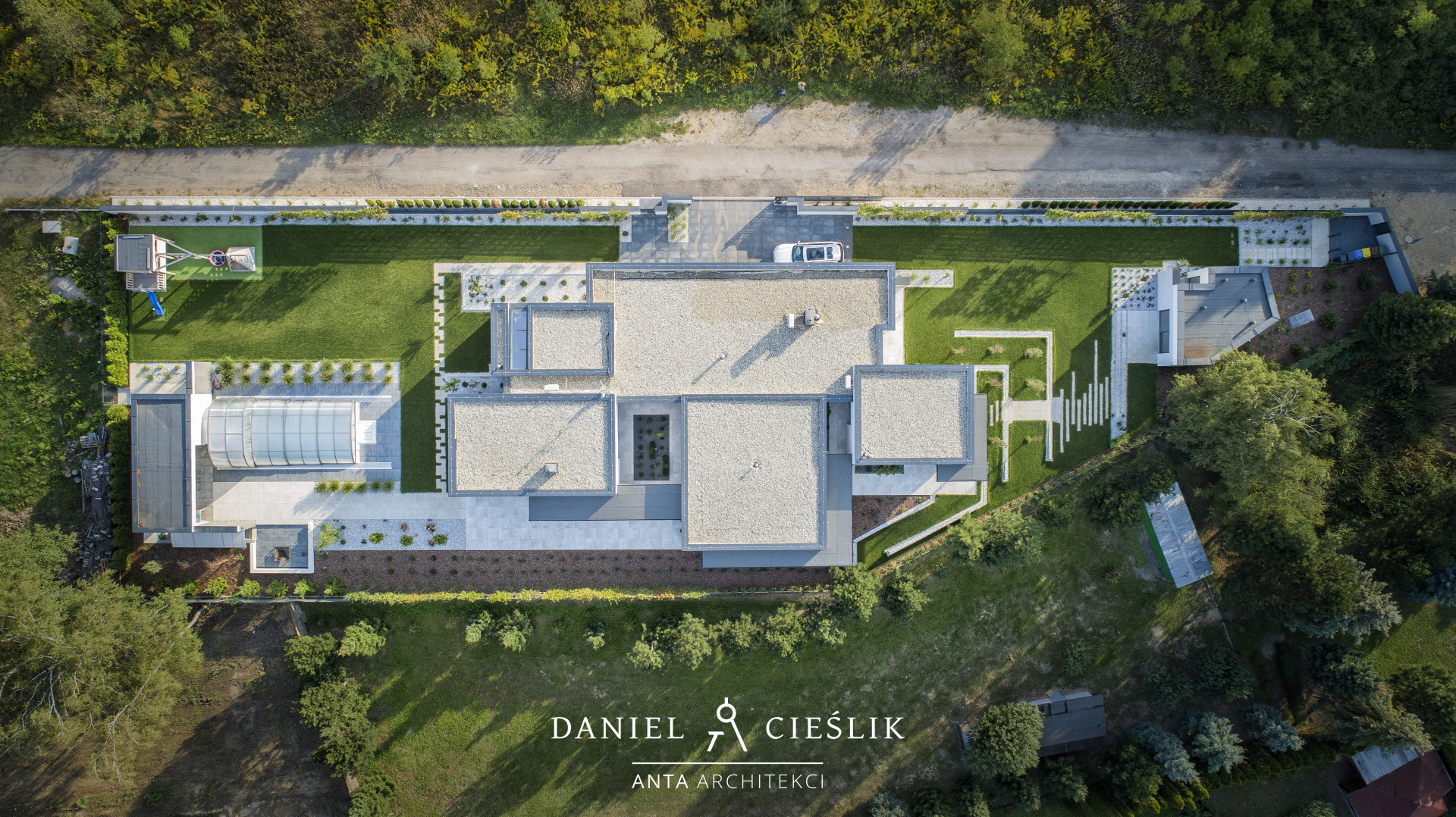
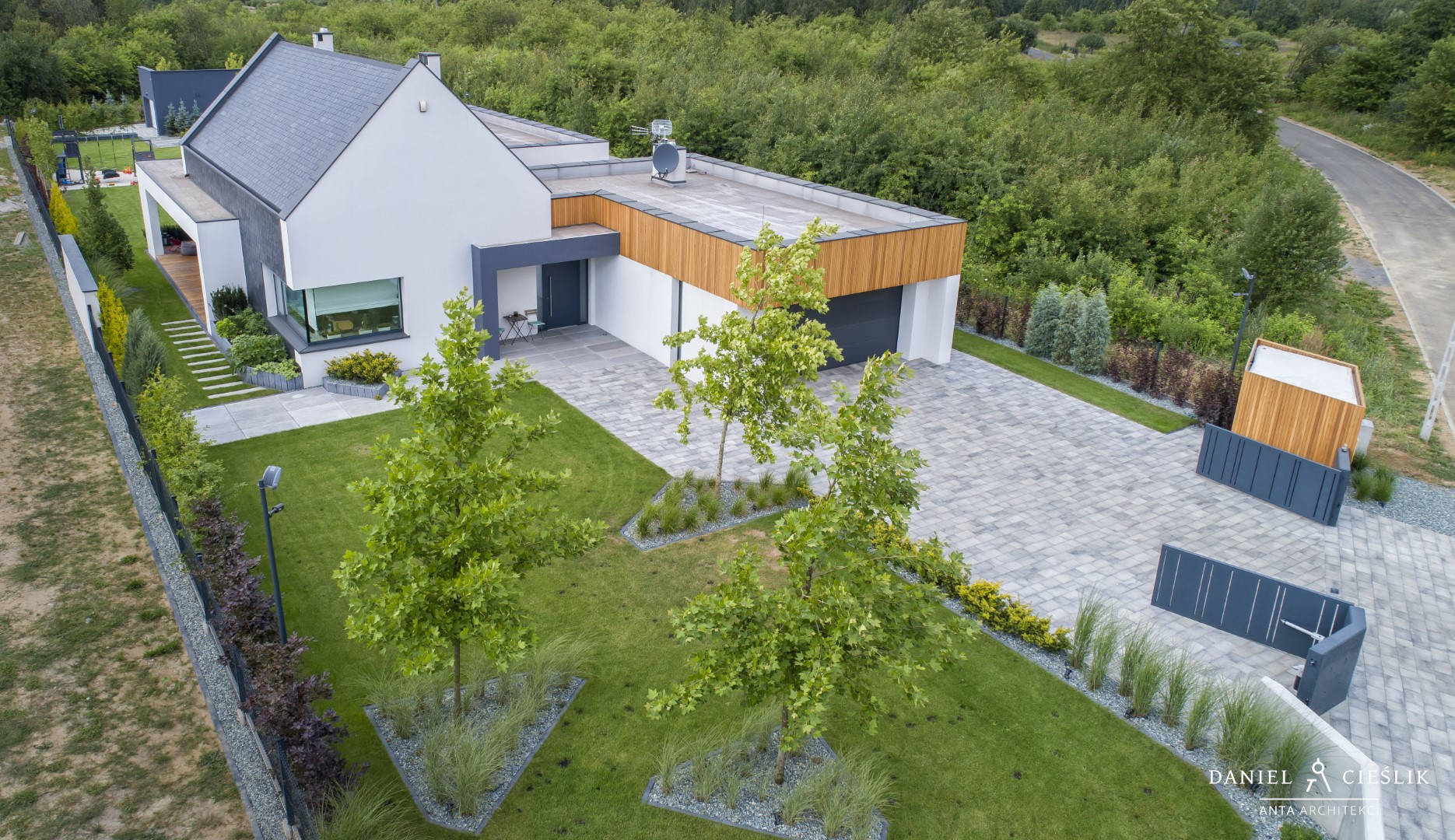
Fourth place — Inscribed Konopiska, a design by FW Anta Studio Architektoniczne Daniel Cieslik.
A house in Poland with an interesting composition of colors and textures on the façade. It is also worth noting the combination of the flat roof and the way the building is adapted to the shape of the site. (Spoiler — this is the only case where the opinion of the public and the jury agreed; the house was included in the list of finalists.) For this house, that was a real success.
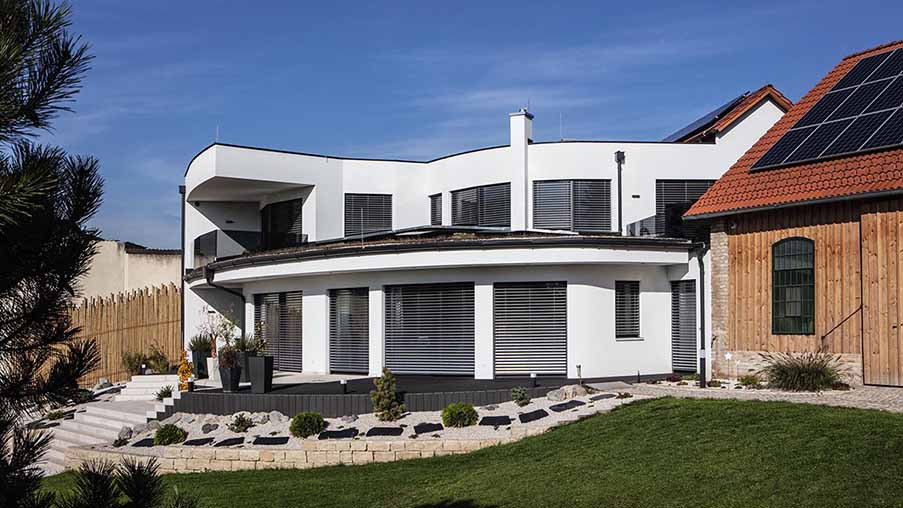
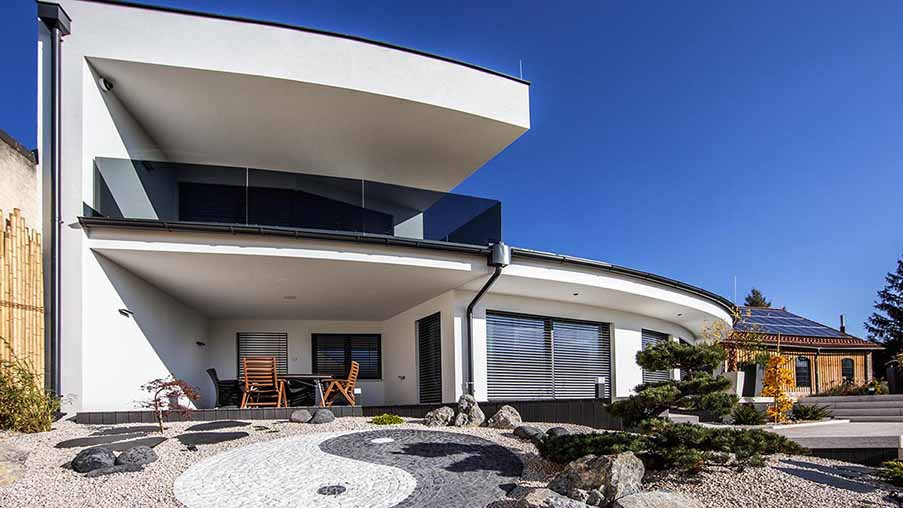
Fifth place — Hintaus (Austria).
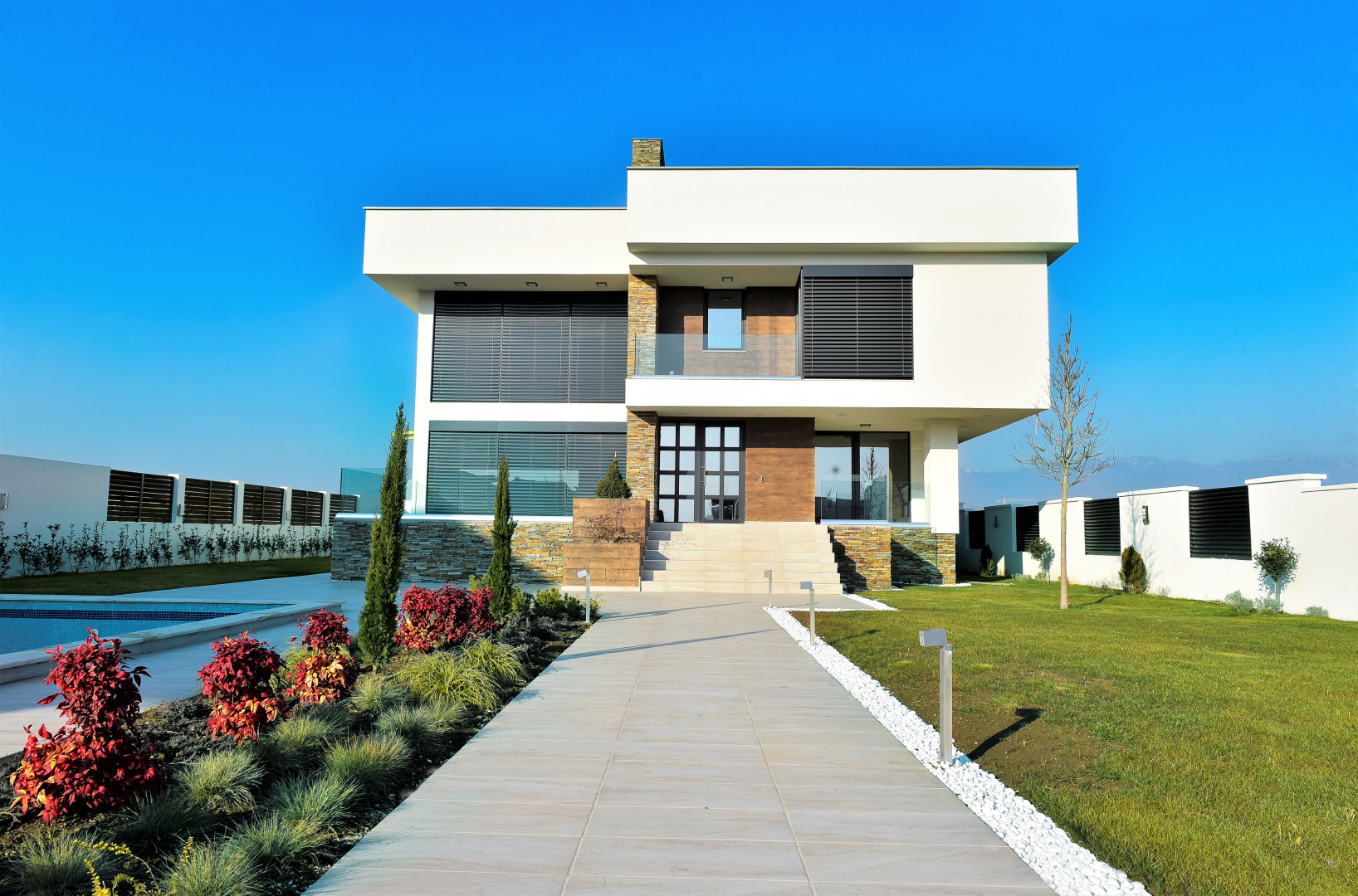
Sixth place — Andrej Residence (North Macedonia). Architect — Stefan Matevski.
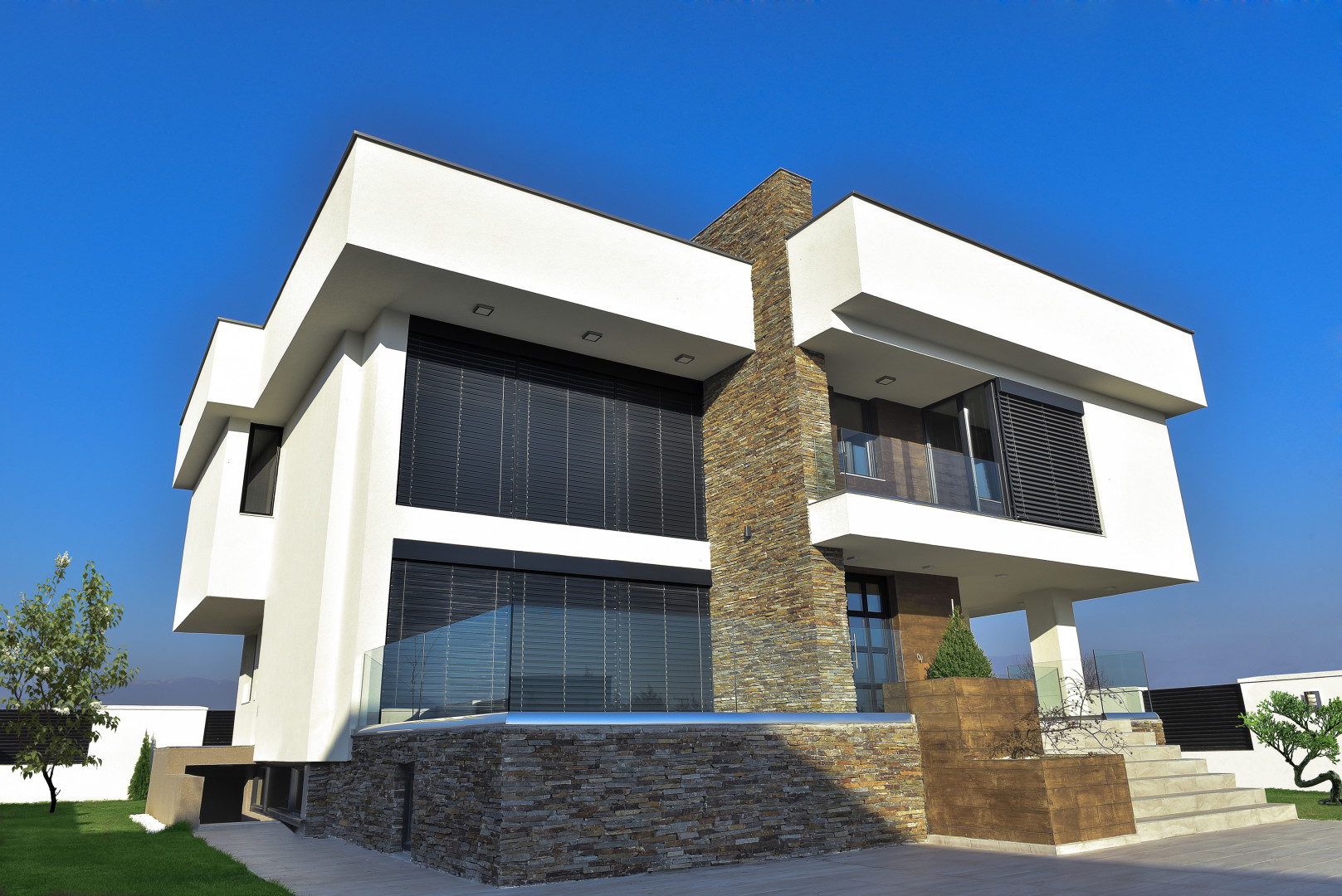
Seventh place — 5 Cubes Kawodrza (Poland). Another project by FW Anta Studio Architektoniczne Daniel Cieslik.
The subtle breakdown of volumes, combined with the restrained use of finishing materials, creates a strong whole.
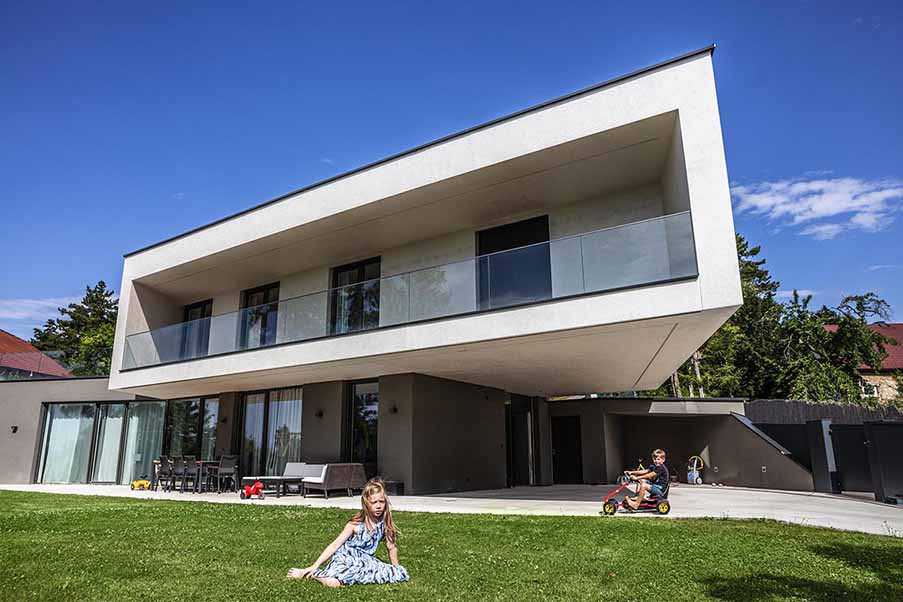
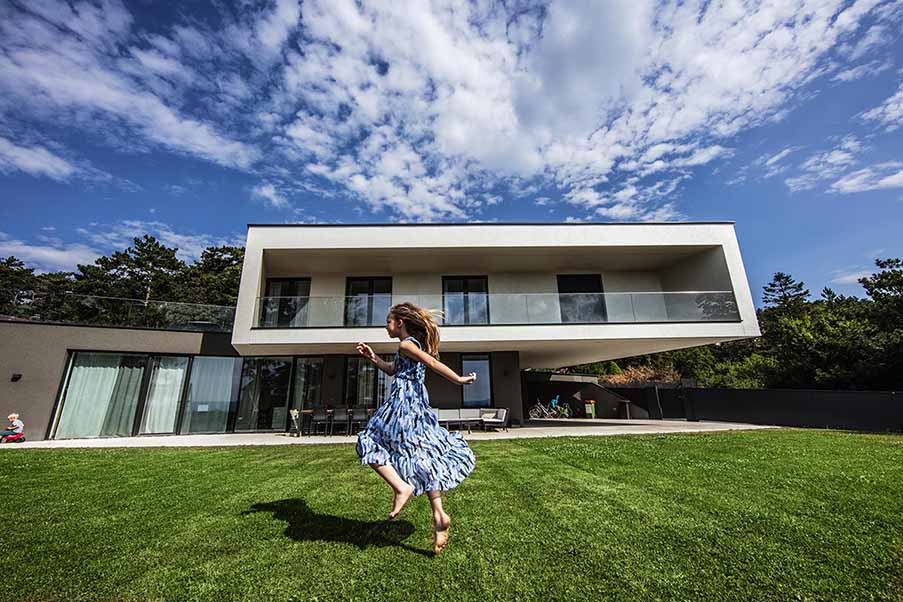
Eighth place — House T (Austria). Architects HOT architektur ZT GmbH / Arch. DI Erwin Tschabuschnig.
The ground floor of the building is deliberately darker; it merges with the ground, allowing the massive upper volume to float in the air.
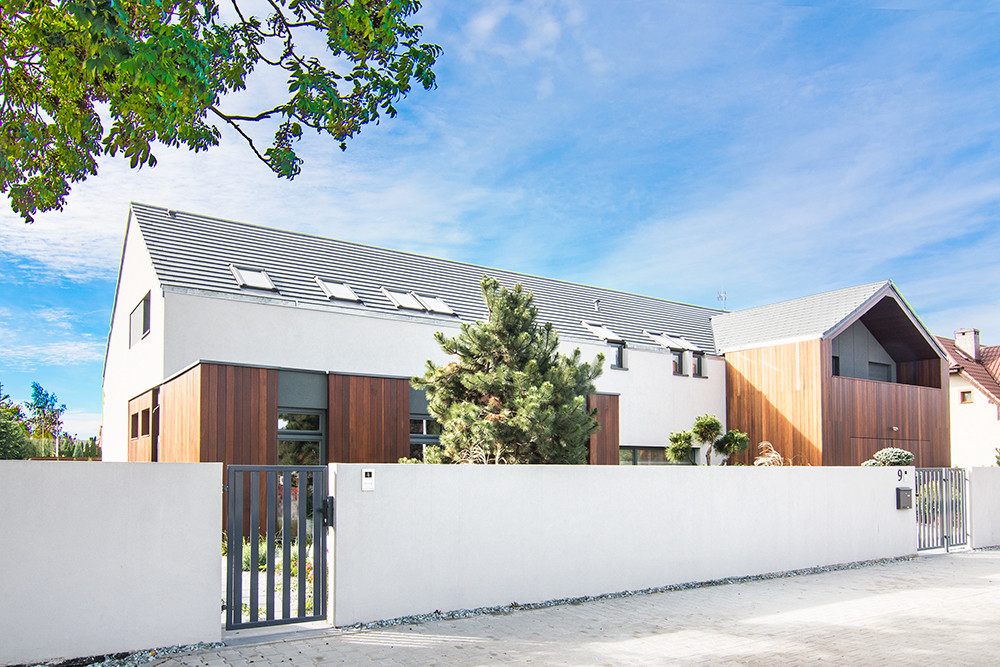
Ninth place — Palm Garden Bielany (Poland). Architect Artur Toboła, GRID Architekci.
What's interesting here is the unusual shape of the house (it had to fit into a fairly narrow plot between neighbors) and the combination of plaster and wood.
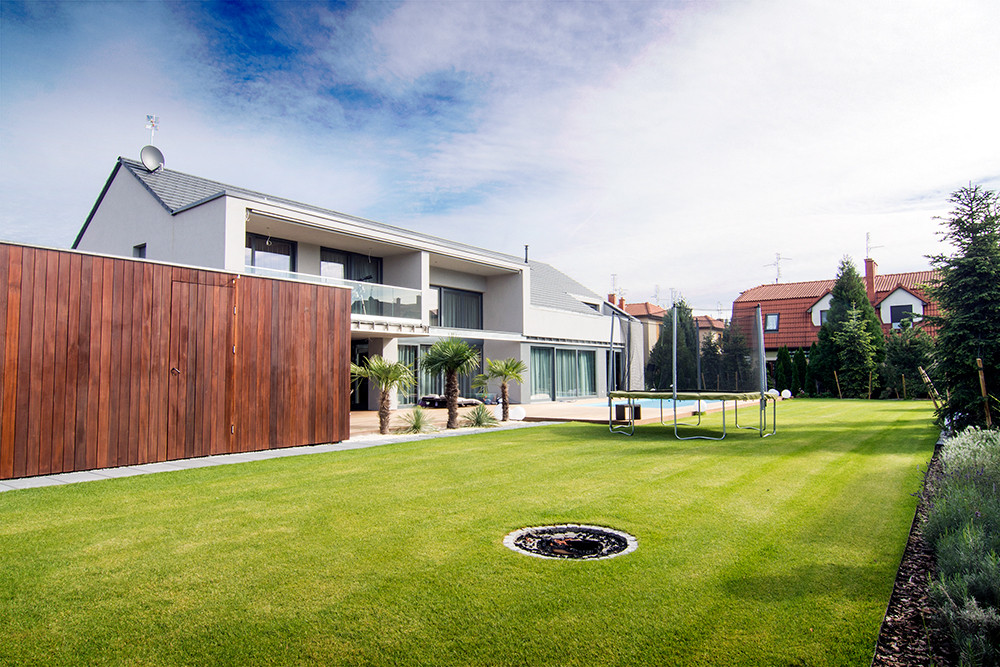
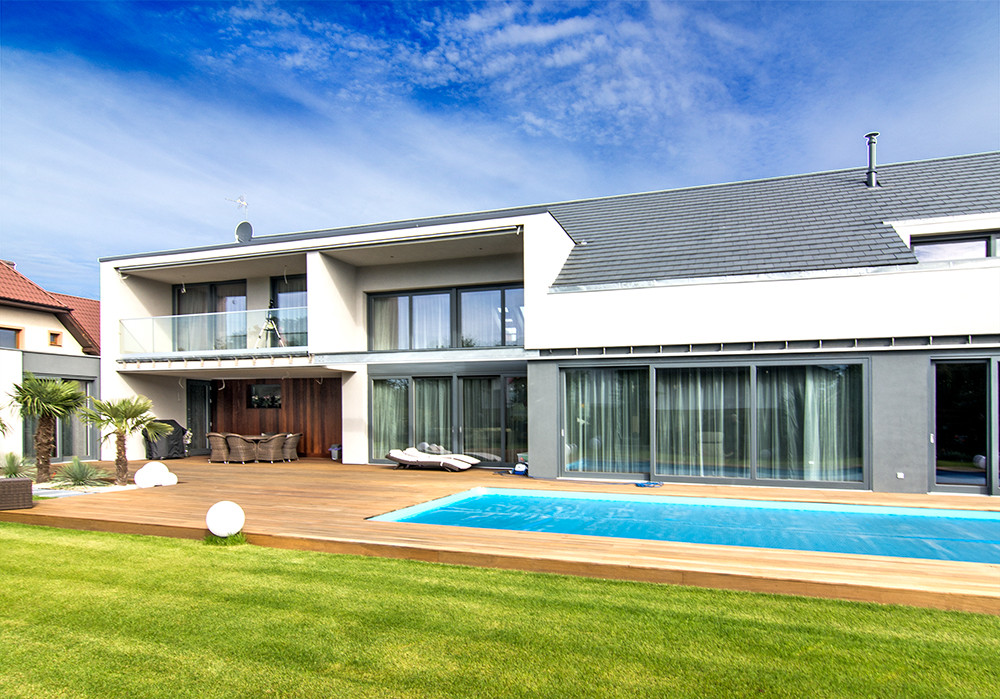
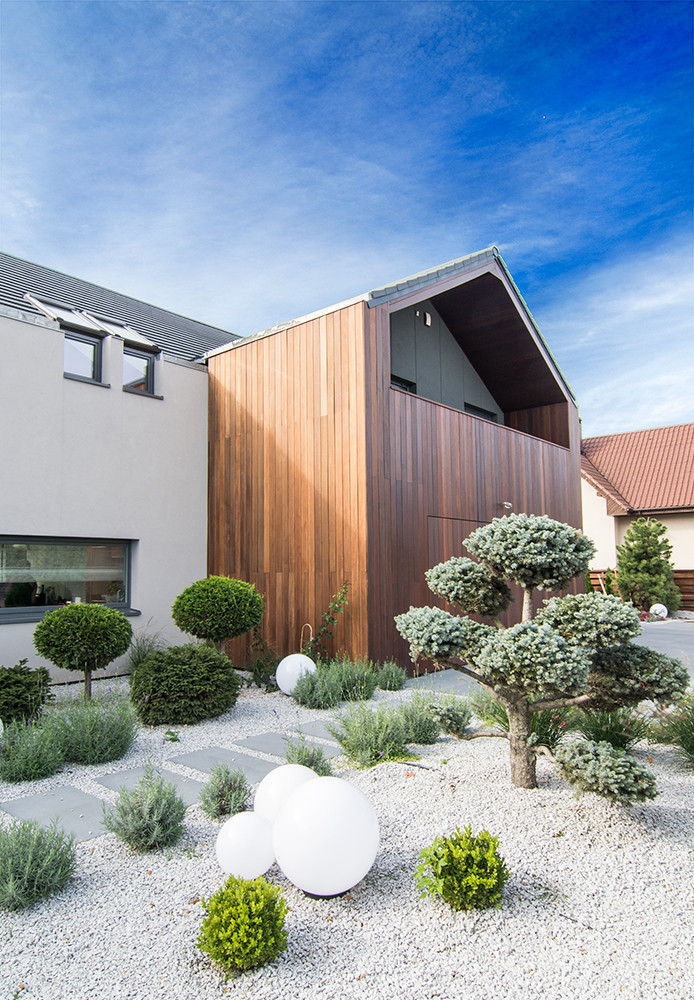
Tenth place — STR (Poland). A project by BECZAK / BECZAK / ARCHITEKCI.
A very unusual monochrome house with a gable roof. The roof design made it possible to zone the space: a tall living room for receptions and a two-story living area.
Professional Jury
And now for the projects chosen by the professional jury. The six best house facades have made it to the finals, and we'll find out which one wins at a later date.
The Polish house Inscribed Konopiska, designed by FW Anta Studio Architektoniczne Daniel Cieslik, which we wrote about above.
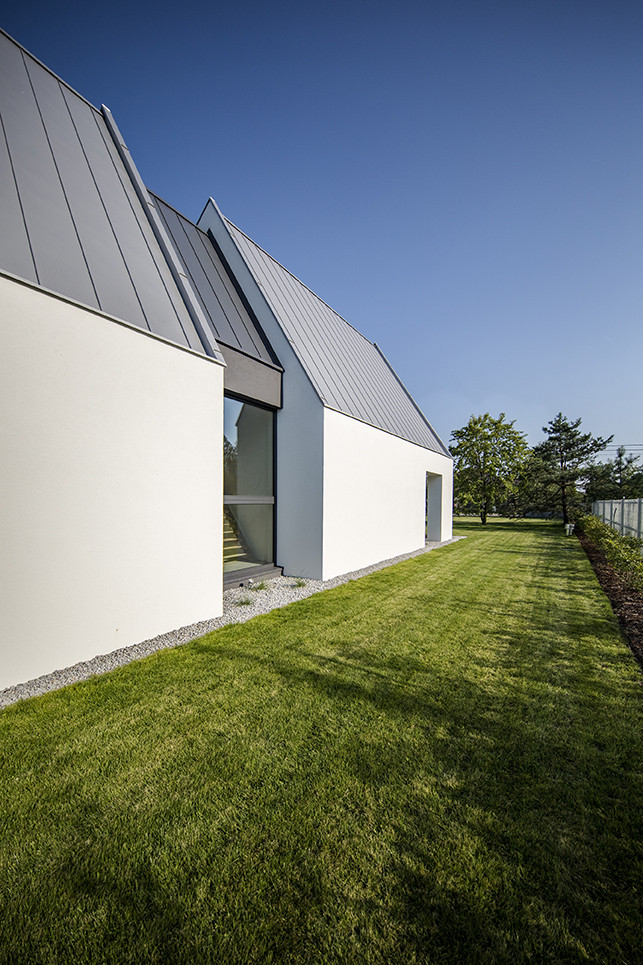
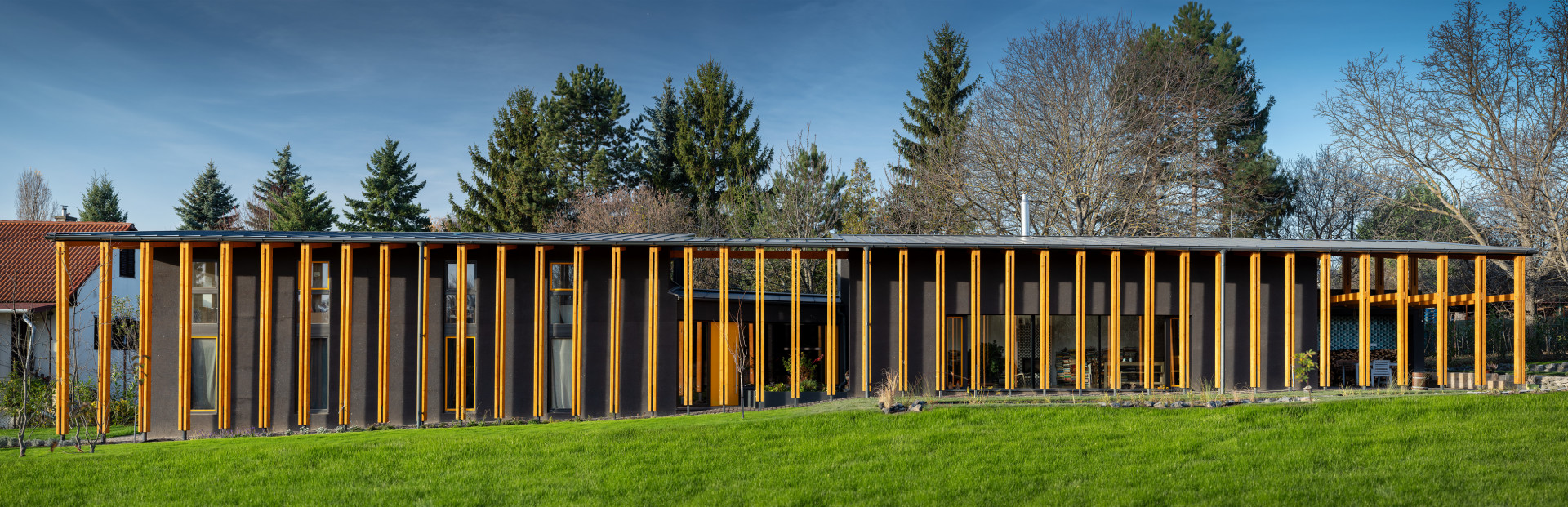
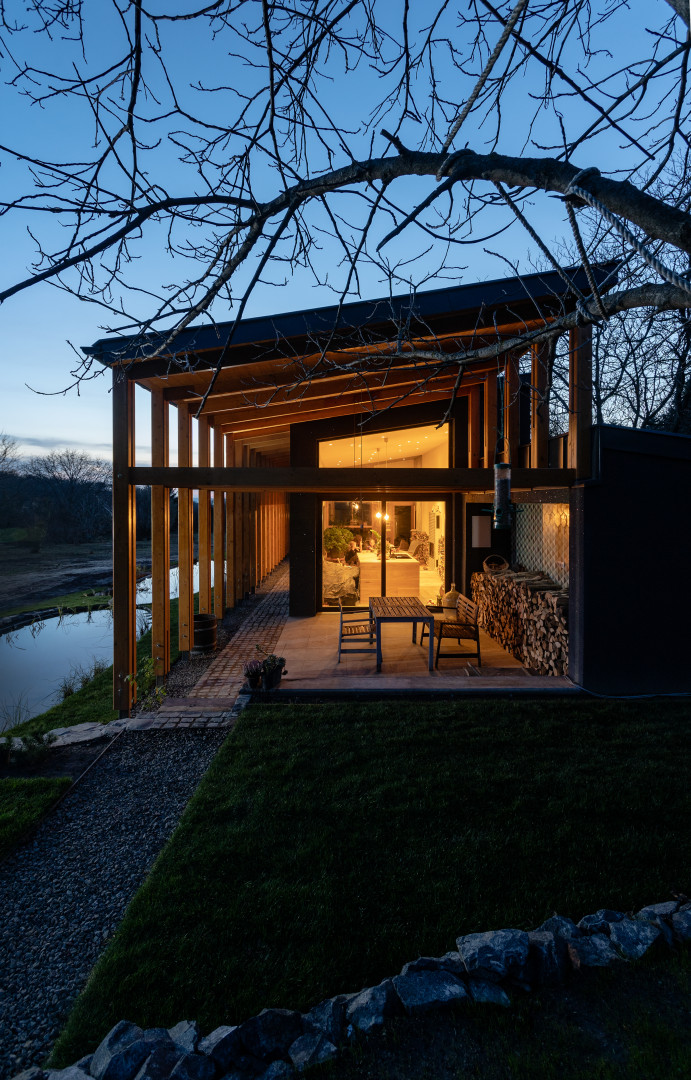
Longitudinal-axis-home (Hungary). Architect Bártfai-Szabó Építésziroda Kft.
An unusual facade, elongated along its axis. It combines gray stucco finishes with a frame of wooden beams that forms the exoskeleton of the house.
The façade is striking.
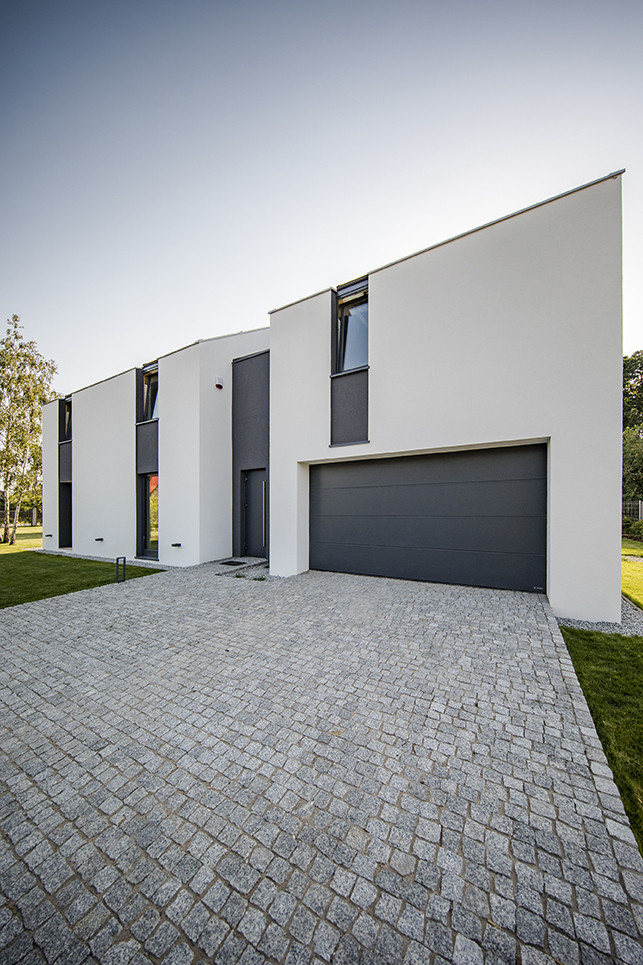
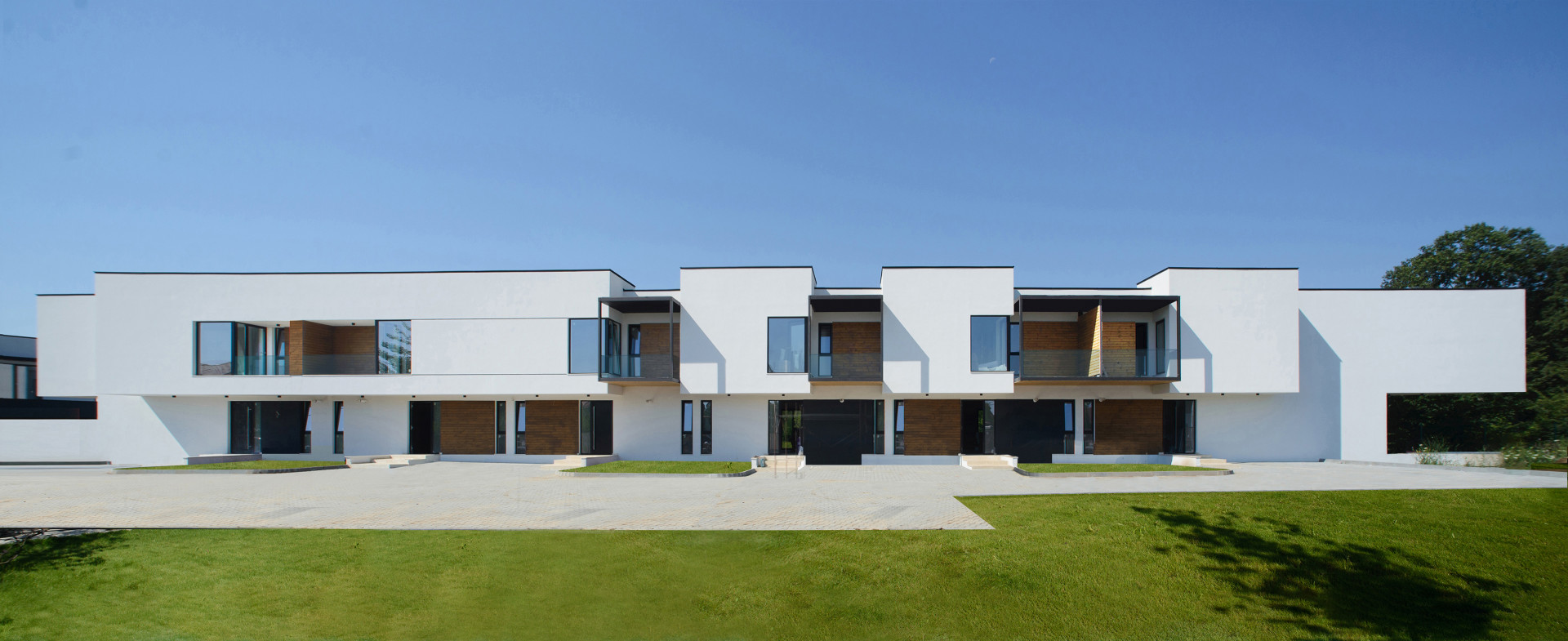
The Row (Romania). NBC Arhitect Studio.
The Row (Romania).
An asymmetrical composition of 6 houses as a single whole. The design challenge was that the site is cut diagonally by a pipeline.
Patio № 1 (Slovenia). Architects Peter Gabrijelčič, Boštjan Gabrijelčič, Aleš Gabrijelčič.
A minimalist house in the center of Ljubljana.
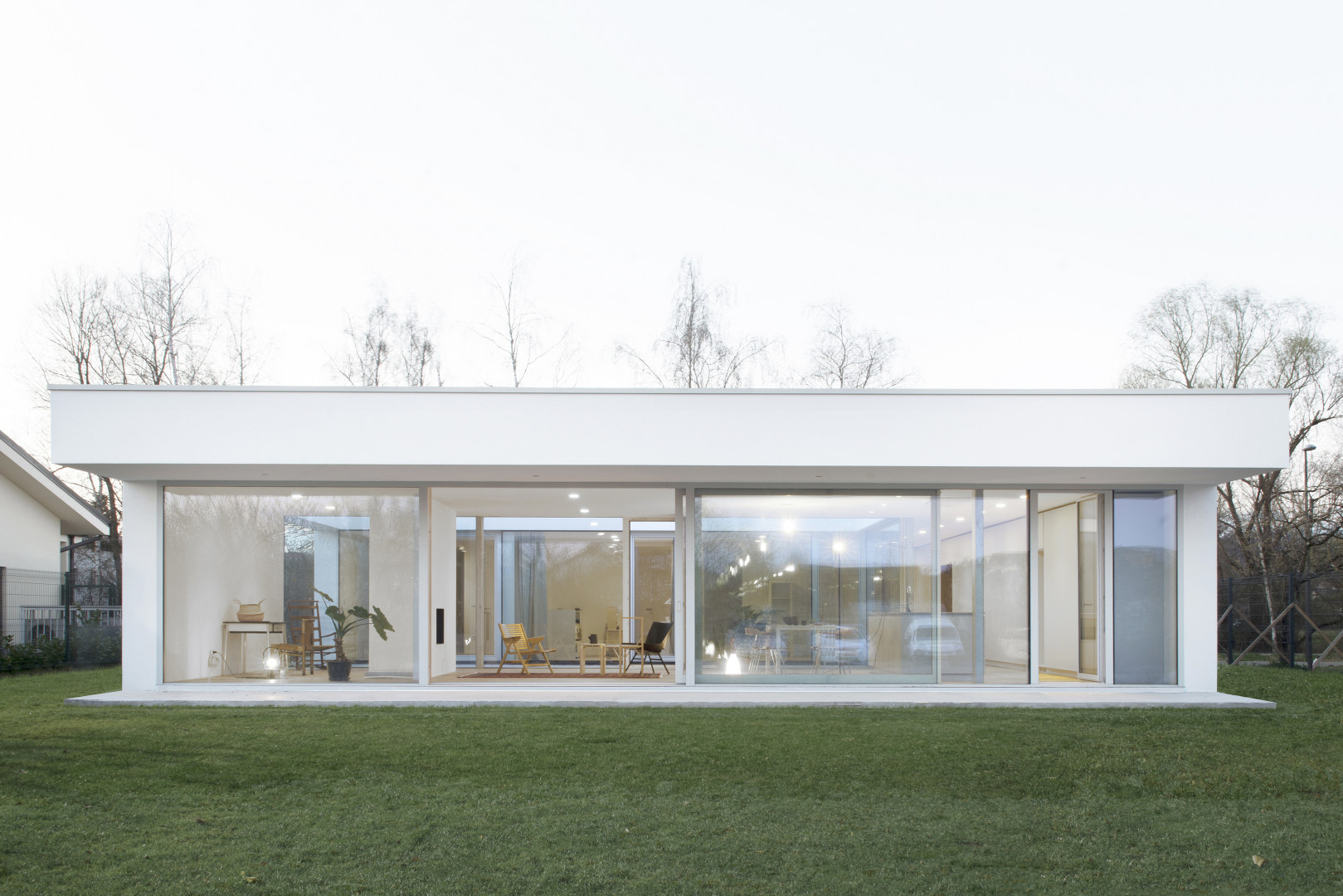
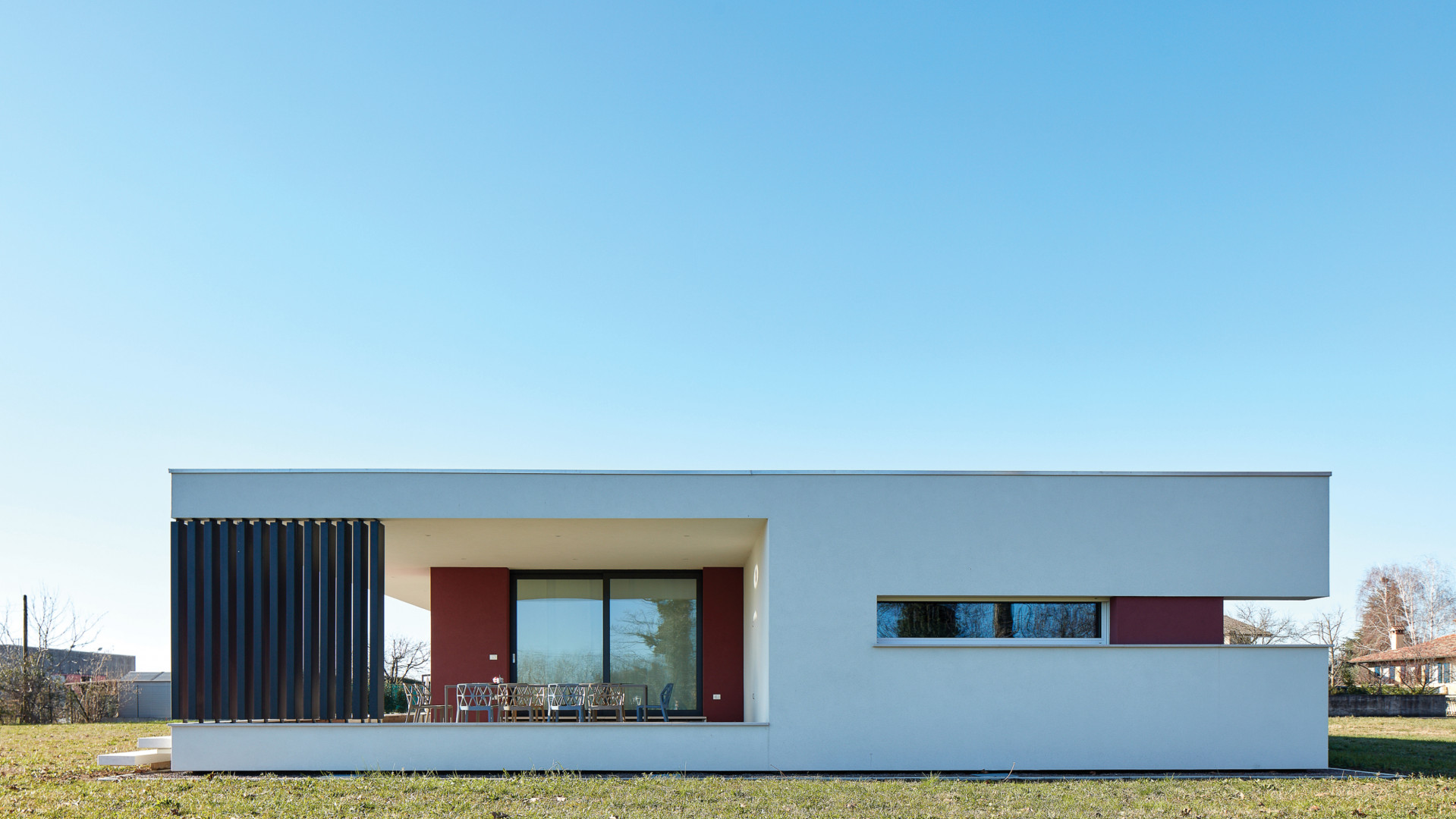
Villa Alma (Italy). Architect Luca Peressutti.
Again a simple square shape with predominantly white coloring, but with many more details to catch the eye.
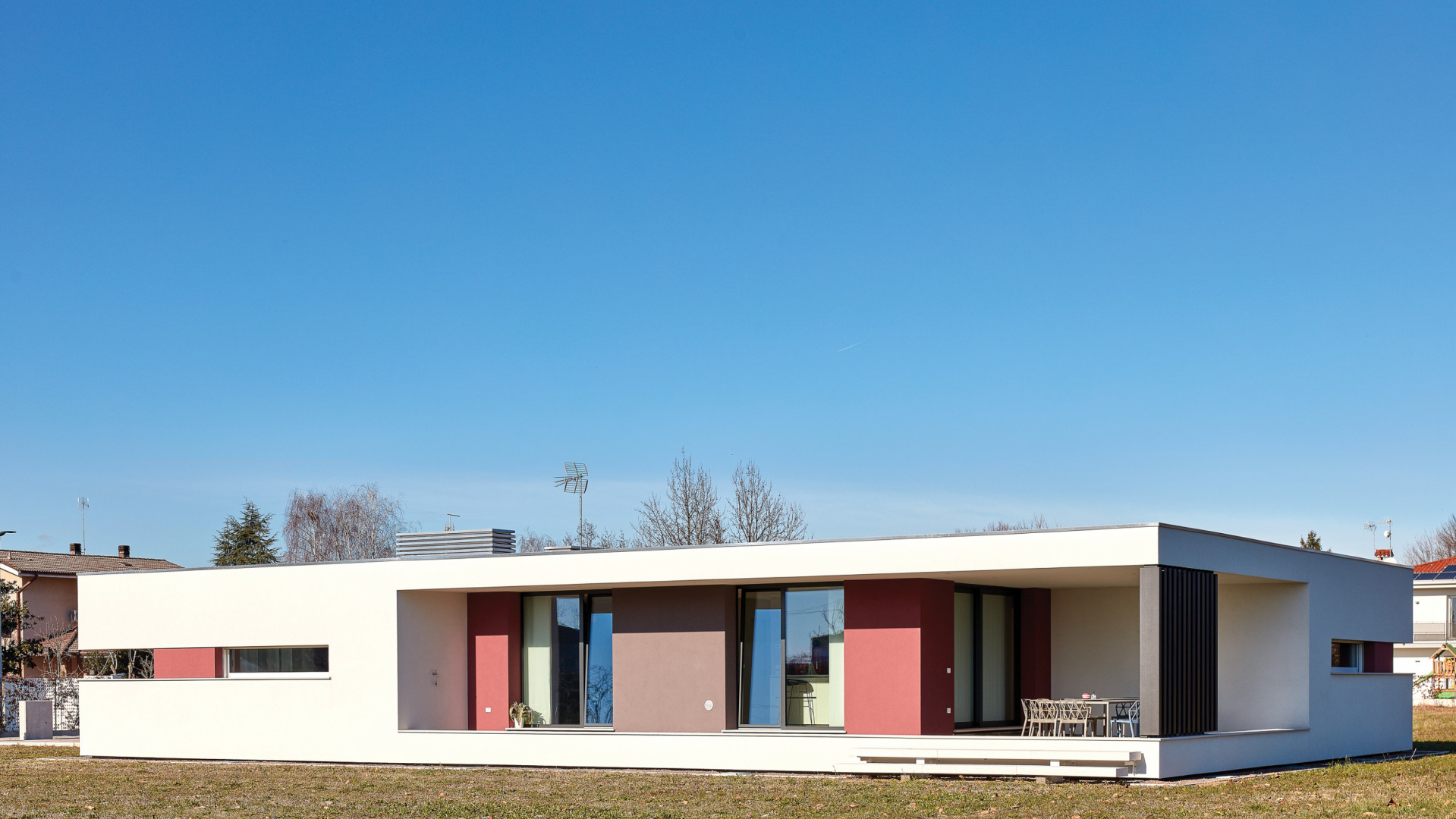
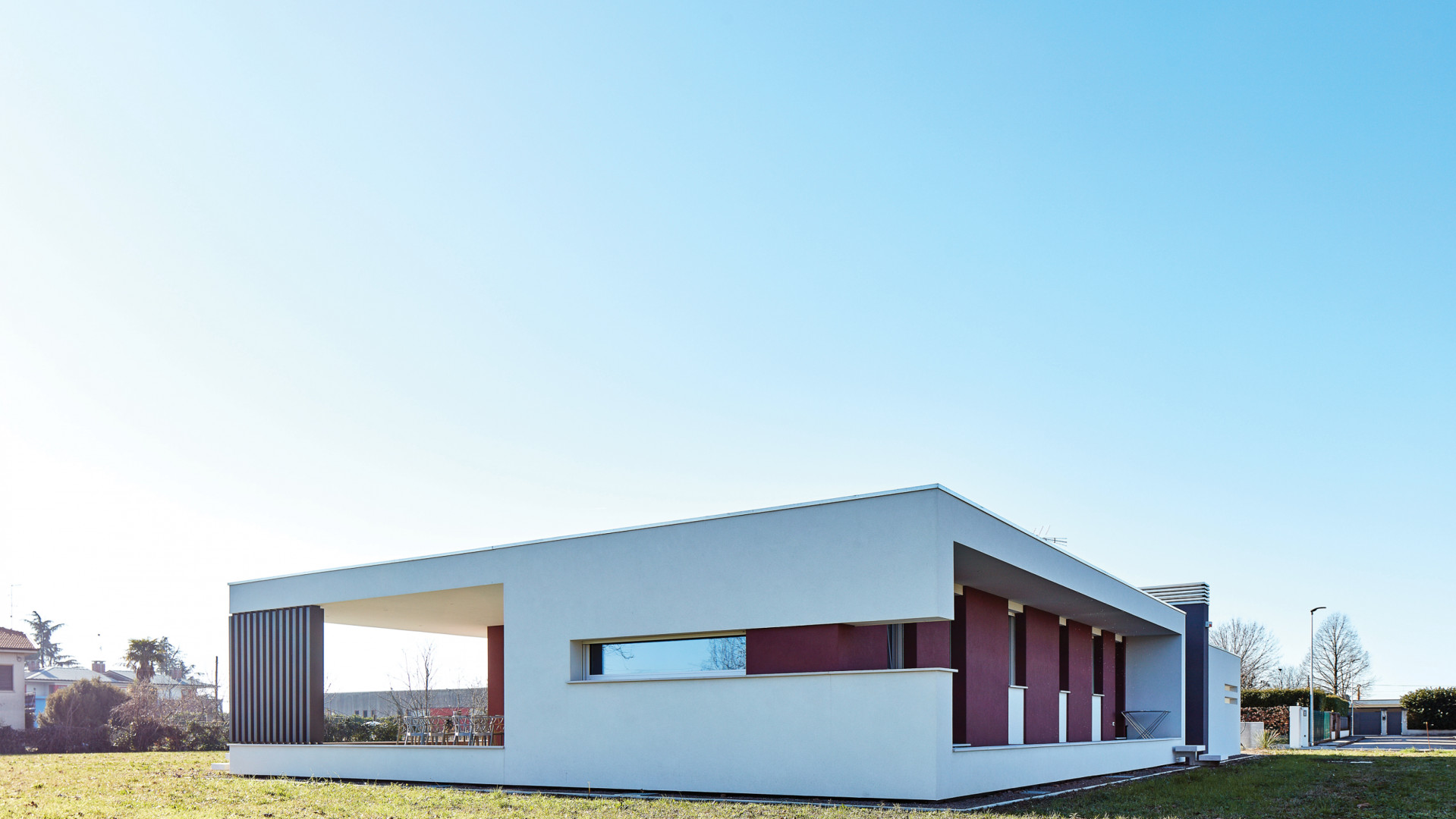
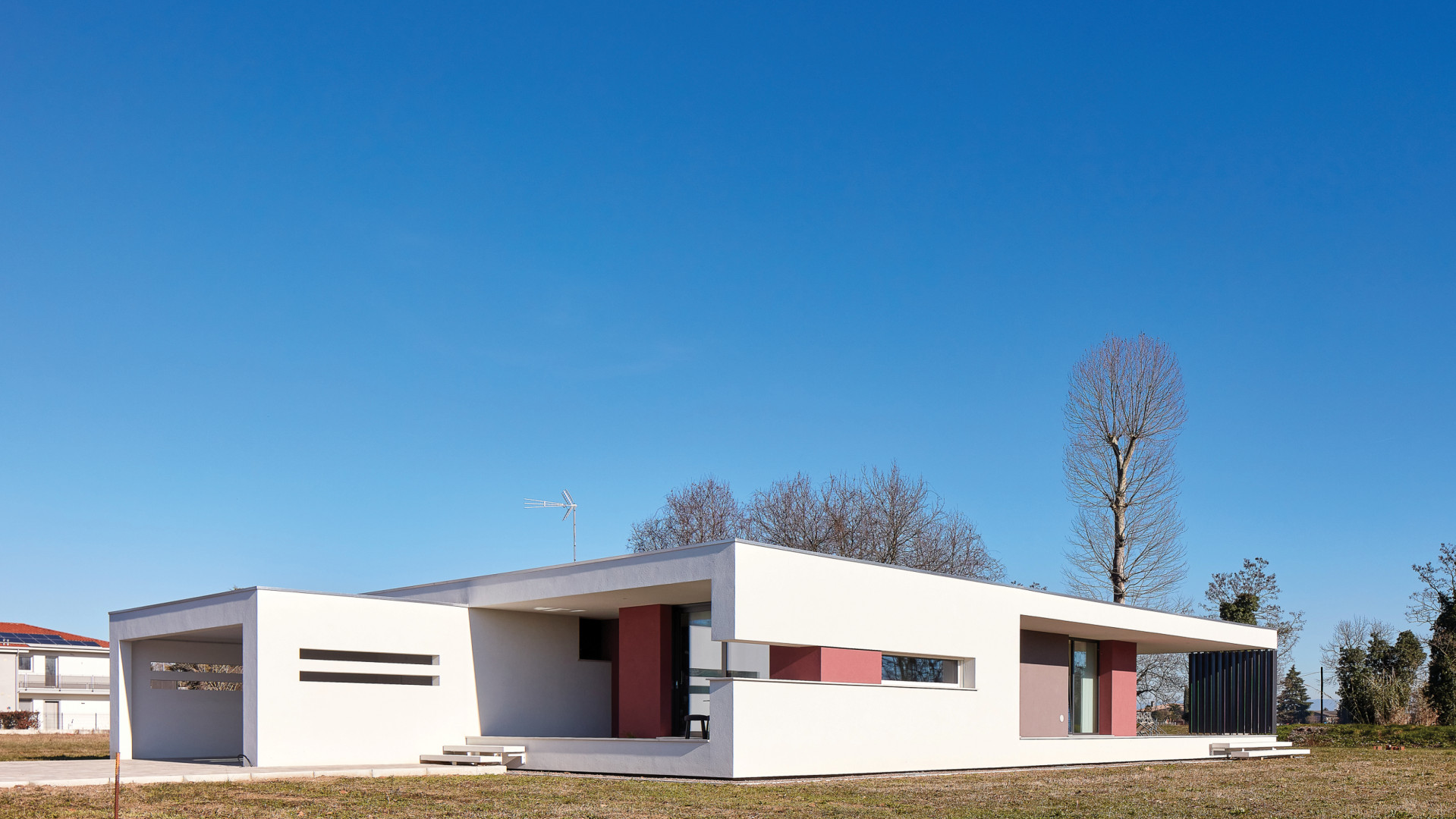
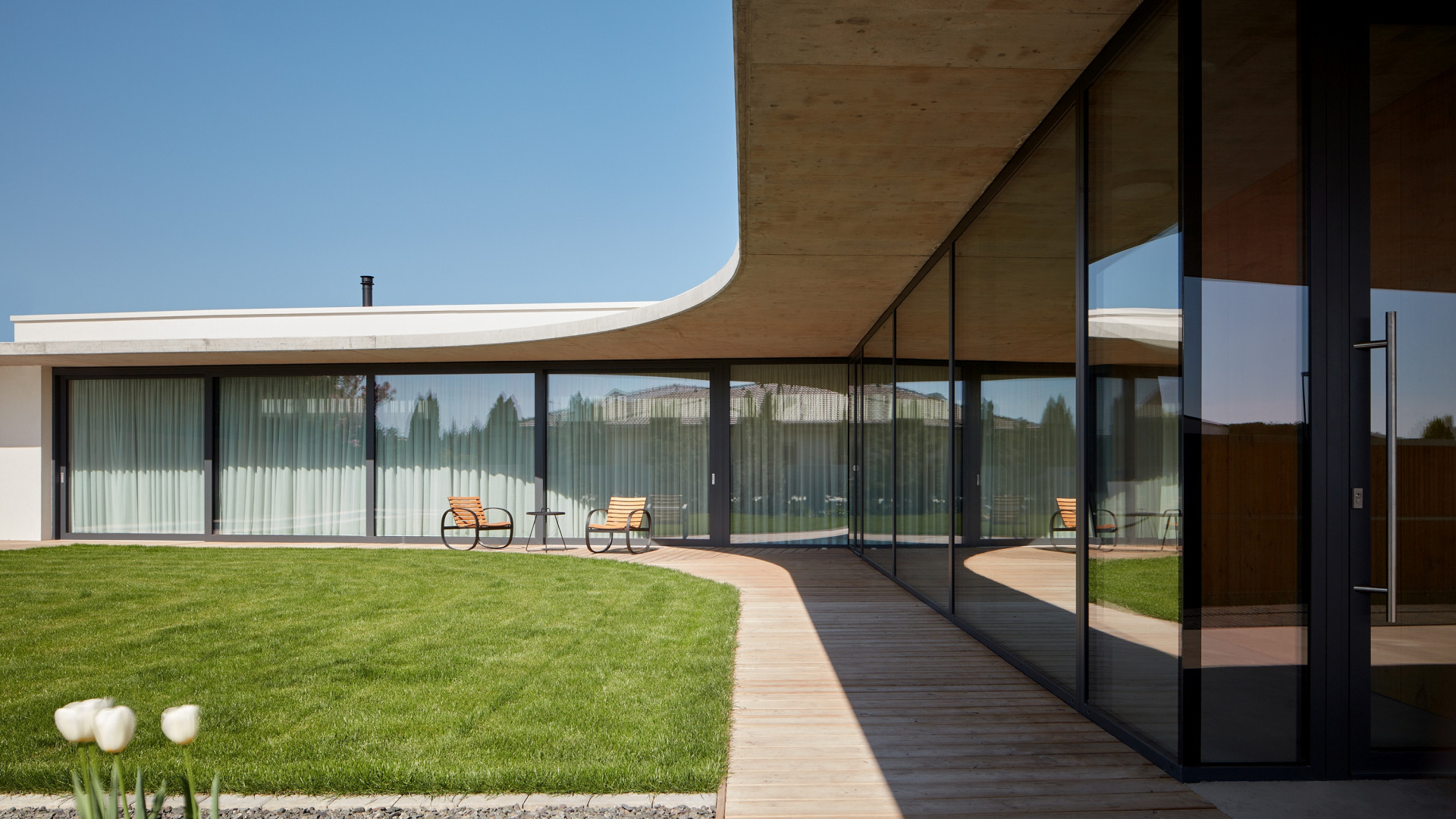
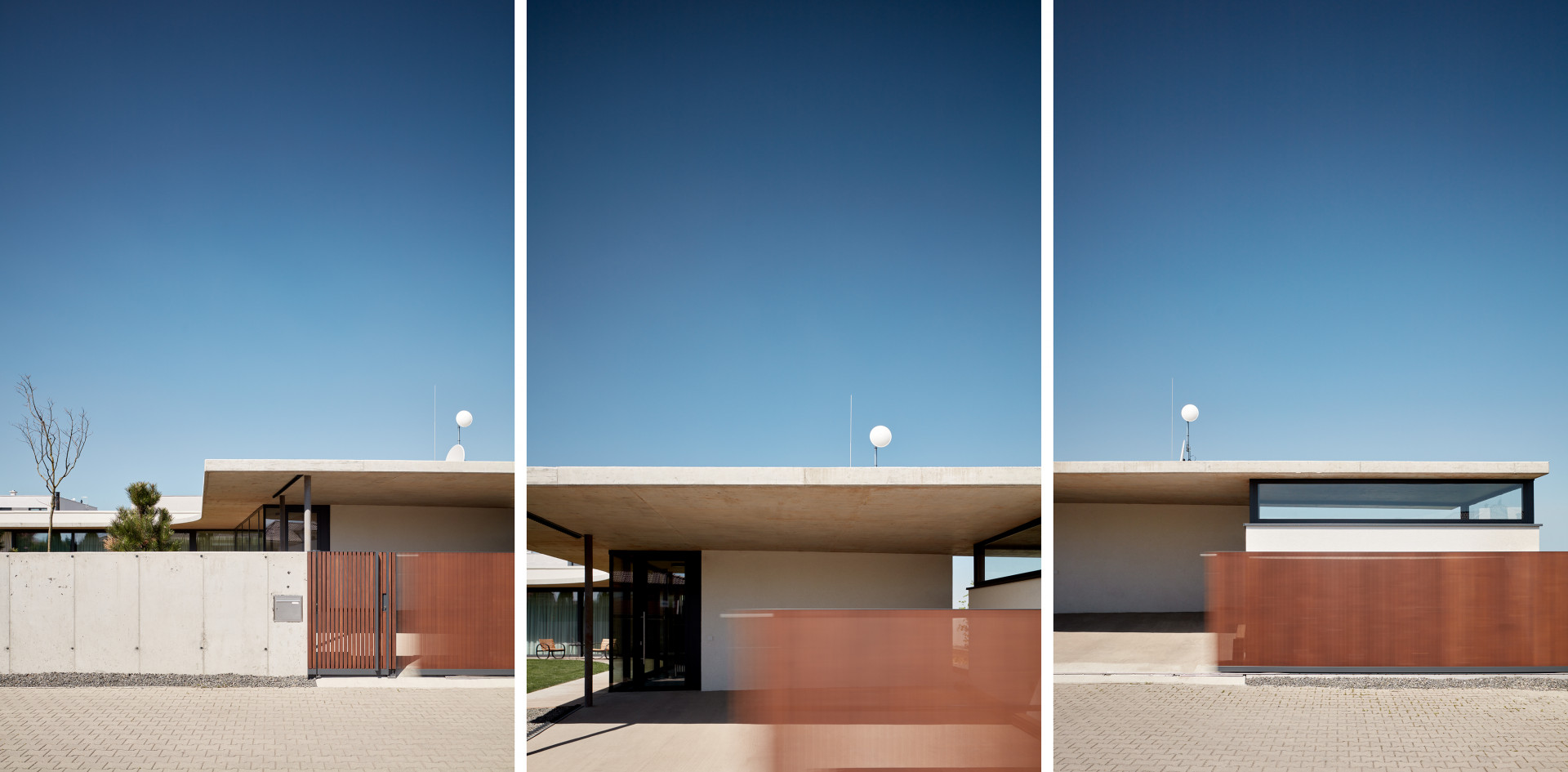
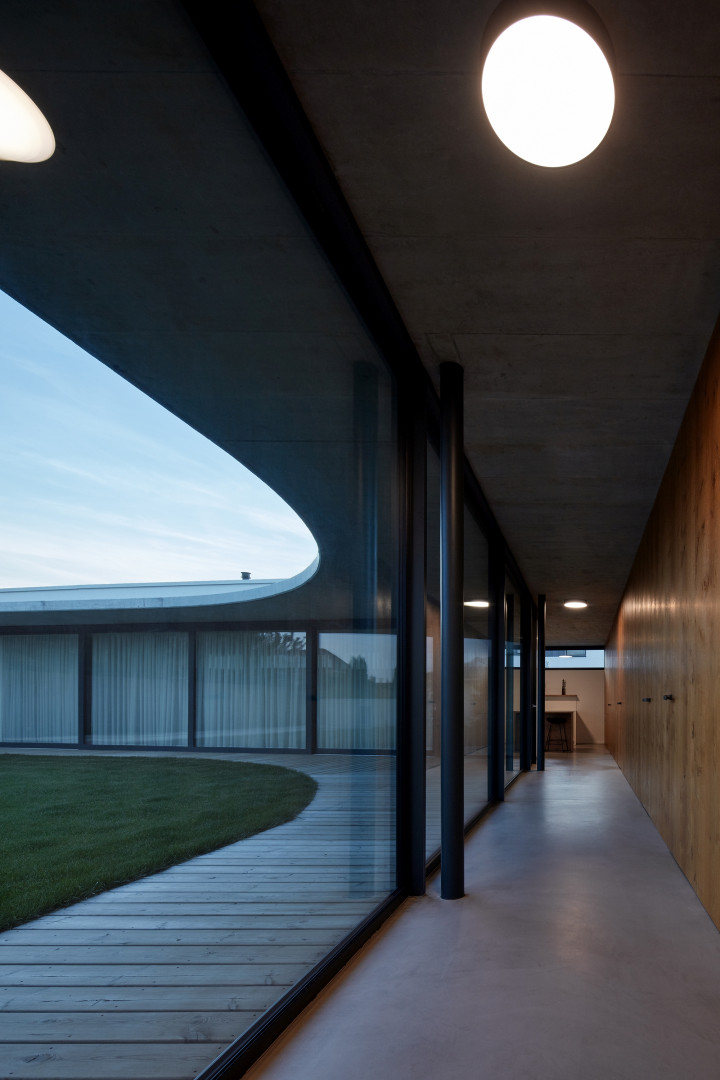
The J project (Slovakia). Compass, s.r.o.
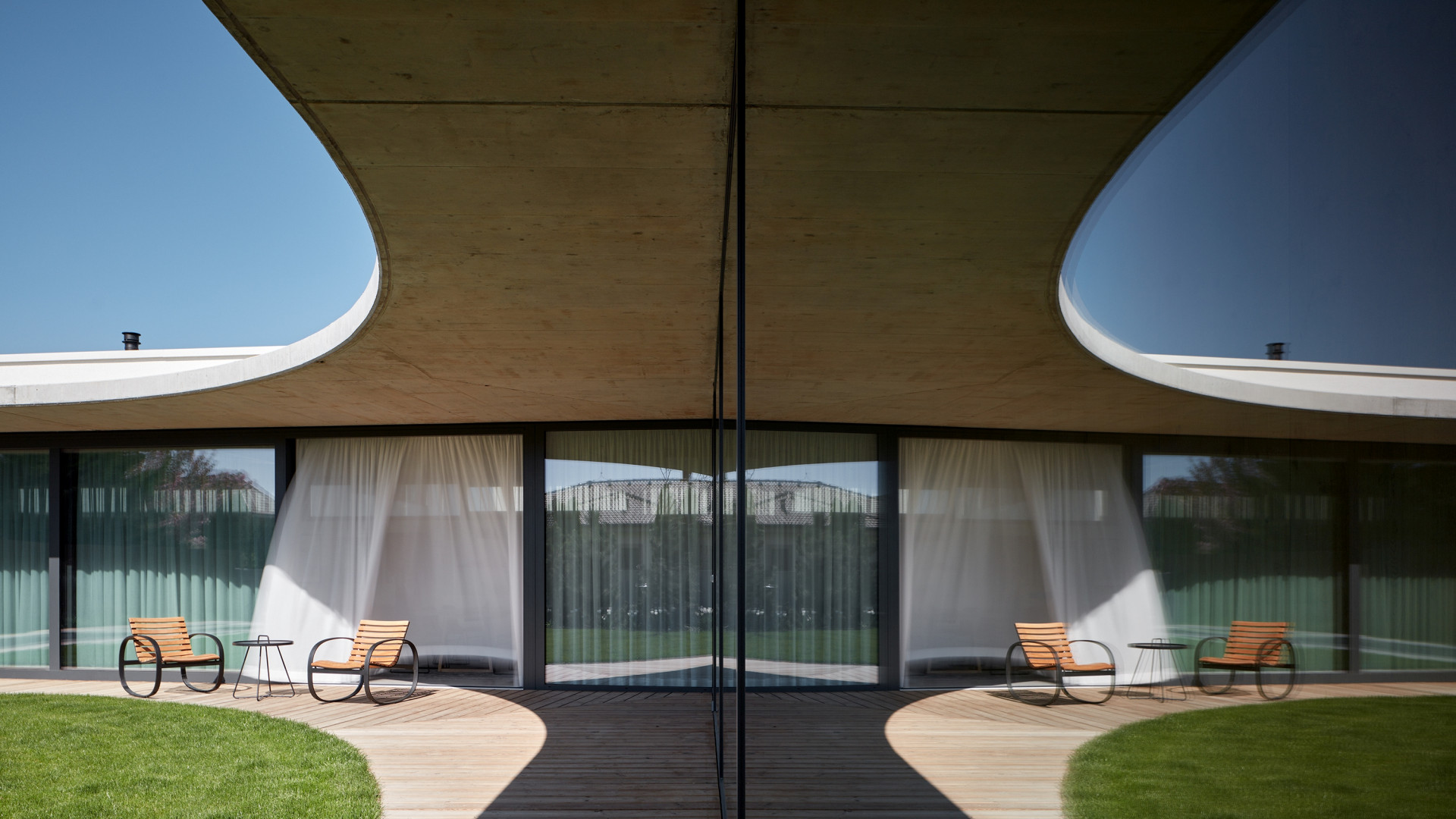
It's hard to get a full impression of the house from the contest, apart from its curved shape and panoramic glazing.
Every two years, Baumit holds its competition for the Best European Facade » using Baumit materials in six categories: private facade, multi-family house, public building, historic renovation, stunning texture, and thermal renovation. The competition takes place in two stages — first, online voting, both popular and professional. Then a jury selects the winners from the projects that received the highest ratings from the professionals.