Small builders are paying a 9% material hike. The big ones are paying 1.8%. NAHB's August survey shows material costs rose five times faster for small builders than for national ones. If your house is a custom build, that gap lands on your exterior.
NAHB published the material-cost read from its July 2026 Housing Market Index survey on August 24. Across all builders, material costs are up 6.7% over the year, and 72.9% of respondents put their own increase somewhere between 5% and 15%. That part is unremarkable.
The split underneath it is not. Builders who started five homes or fewer in 2025 reported a median increase of 9.1%. Builders with 100 or more starts reported 1.8%. Same materials, same year, five times the hit. NAHB attributes the gap to stockpiling, long-term supplier contracts and plain negotiating weight — the things a national production builder has and a two-crew custom shop does not.
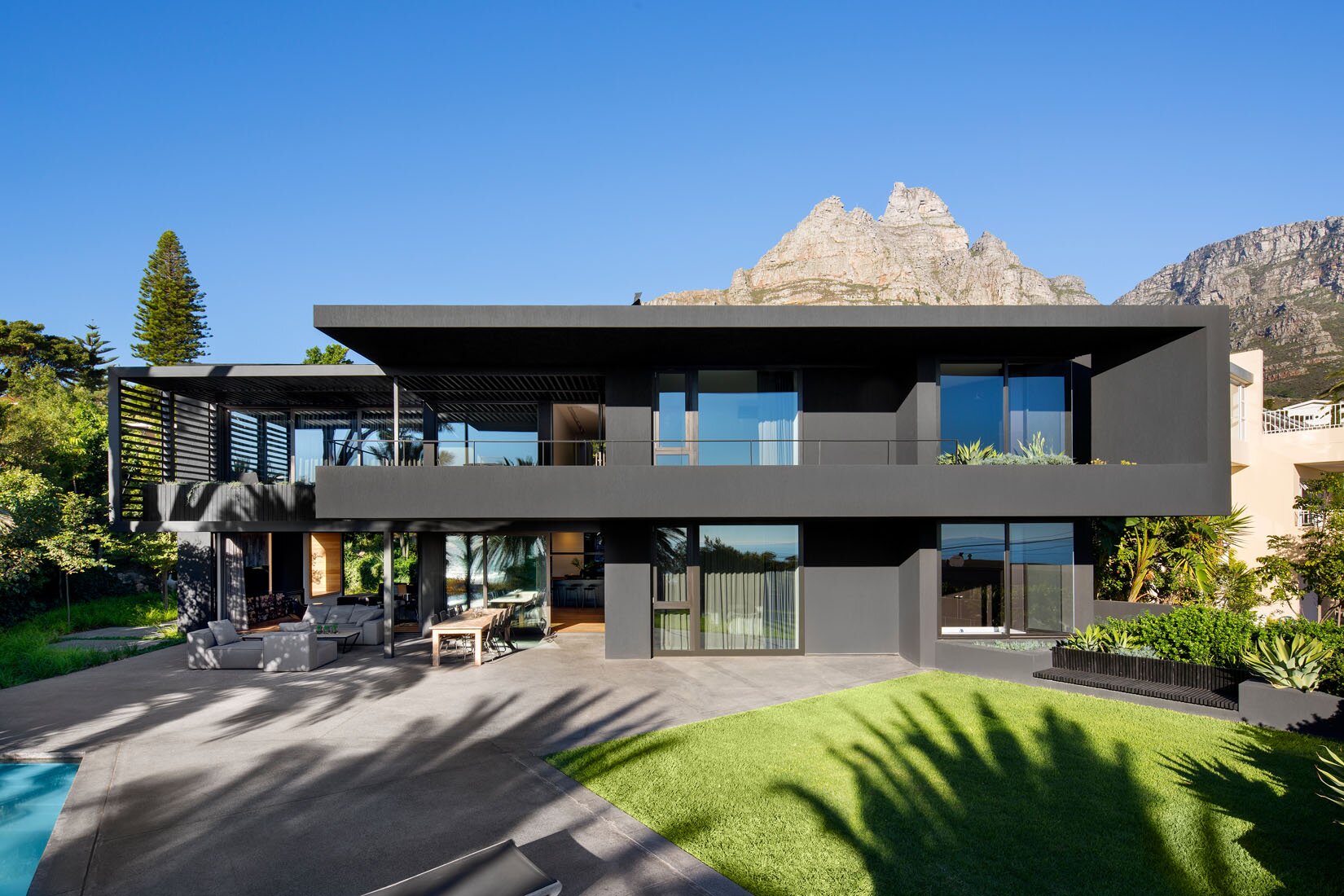
Here is why this matters for a custom home and not just for a spreadsheet. The builder who puts up your one-off house is, by definition, on the small side of that survey. You are not buying at the price the volume builder down the road is buying at, and no amount of shopping around closes a gap that comes from contract volume.
Where it lands on the facade
Exterior finishes are the fourth-largest slice of a new home's construction cost — 13.4% in NAHB's most recent Cost of Constructing a Home study, or $57,510 on an average $428,215 build. That share climbed from 11.8% in 2022, the biggest jump of any construction stage. Exterior wall finish, roofing, windows and exterior doors all sit inside it.
So a 9% material year does not spread itself evenly across your budget. It concentrates in the categories you spec last and change most: cladding, trim profiles, window packages.
What we would actually do about it
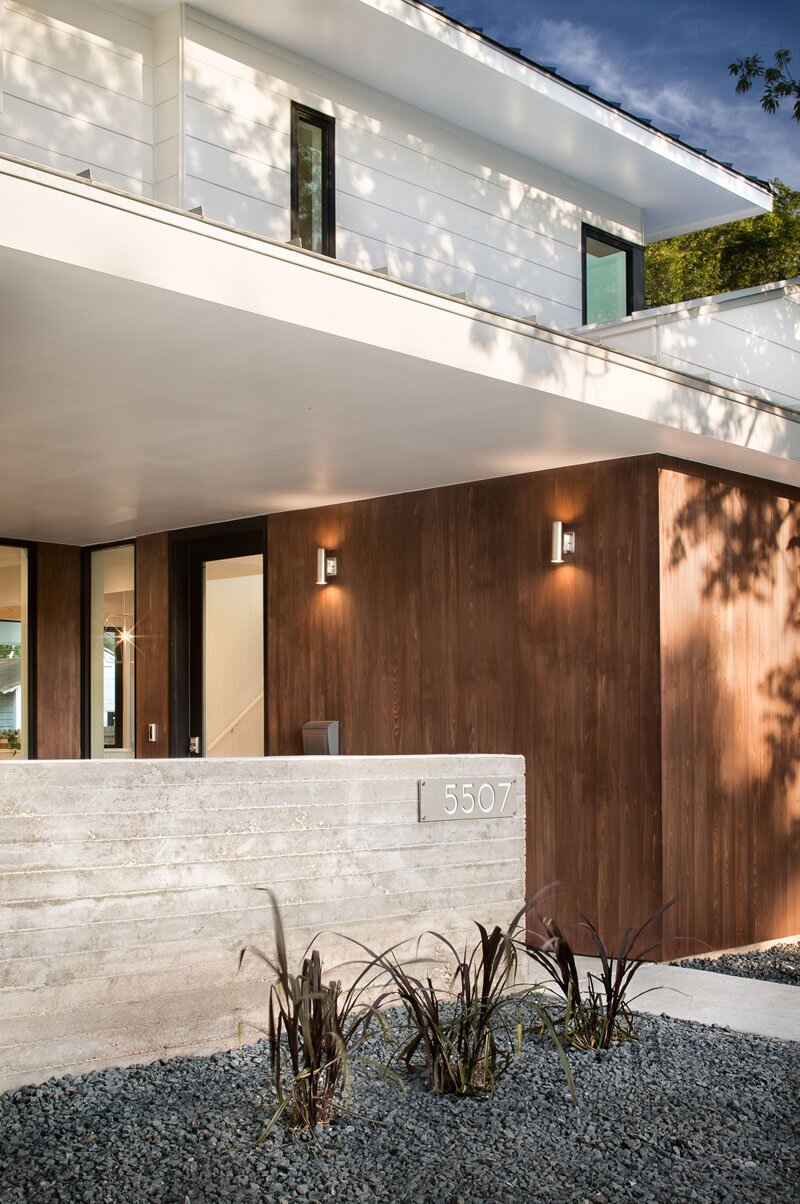
The honest answer to how much does exterior facade design cost is that the drawing is the cheap part. What costs money is the decision made on site, in week thirty, with the framing up and one material suddenly quoted higher than the estimate. That is when a house loses its wrap-around trim detail, or swaps a full-depth reveal for a flat butt joint, and nobody can say later where the elevation went.
Two things help, and neither is glamorous.
- Decide the exterior early enough that it can be bought early. A cladding and window package locked at design development can be priced and, in some cases, ordered before the season moves.
- Design a facade whose character survives a substitution. If the elevation only works with one specific 8-inch lap in one specific color, you have written a single point of failure into your budget.
The second one is the part we push hardest with clients. One of the more common exterior design mistakes on new builds is treating the material as the idea. Proportion, opening rhythm and the depth of shadow at a corner do more visible work than the brand on the box — and they cost the same whether the market is calm or not.
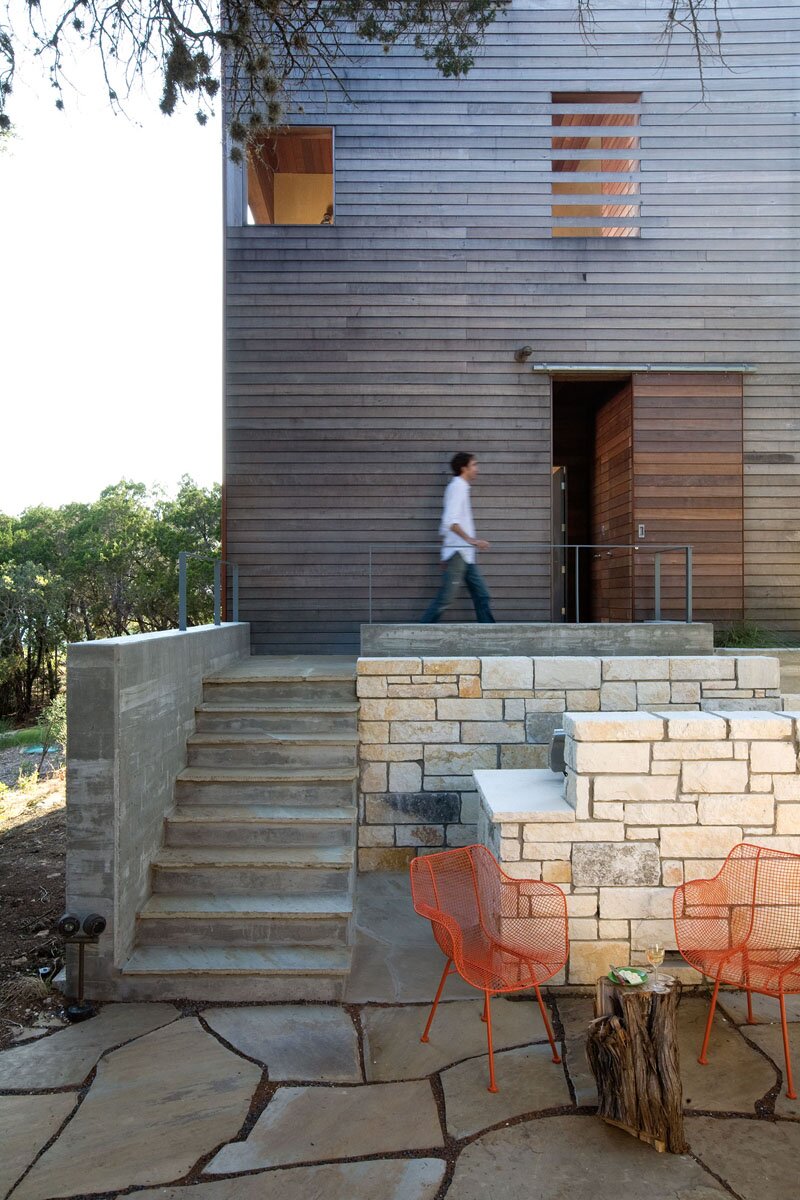
None of this makes the increase go away. Materials are up, the small end of the industry is absorbing most of it, and a custom home is built by the small end. What a resolved facade design buys you is a set of decisions made once, on paper, instead of five times under pressure — and an elevation you can still recognize when the scaffolding comes down. Our contemporary facade projects and siding work show how far the geometry carries a house before the material even gets a vote.